
€567 million in financial burdens weigh on the Dutch waste sector. MPs warn of waste leakage and stalled CCS projects – but The Hague won’t show its hand before Prinsjesdag.
Key Takeaways
- Dutch MPs flagged €567 million in cumulative financial burdens on the waste and recycling sector.
- They warned of waste leakage and reduced investment in circularity and CCS.
- The government admitted planned levies could hit the sector hard and is seeking alternatives or moderation.
- No certainty on the levies will be given before Prinsjesdag, when the Dutch budget is presented.
- A two-minute debate for motions is scheduled for 21 September 2026, though the date is unconfirmed.
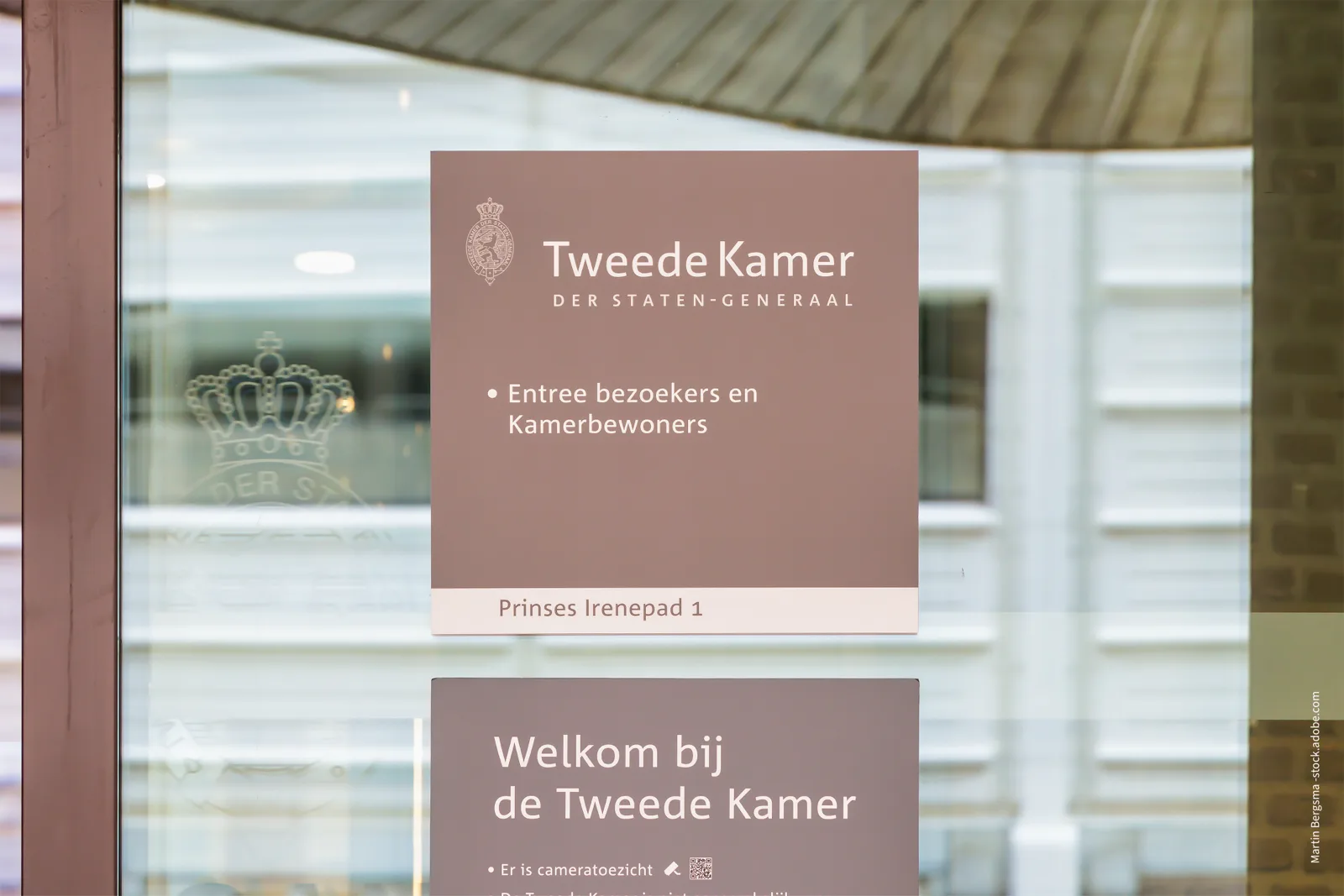
The Dutch House of Representatives (Tweede Kamer) has held its committee debate on the circular economy in two sessions, on 1 July and 8 September. For the waste and recycling sector, the central issues included the financial pressure on the sector and investment certainty. The debate was held with Van Veldhoven, Minister for Climate and Green Growth, and Eerenberg, State Secretary for Finance. This is according to the Dutch Association of Waste Management Companies, Vereniging Afvalbedrijven.
€567 Million in Cumulative Financial Burdens
During the first session on 1 July, several MPs drew attention to the accumulation of financial burdens on the waste and recycling sector, totalling €567 million. They pointed to possible consequences such as waste leakage and reduced investment in sustainability measures, including circularity and carbon capture and storage (CCS).
The government in The Netherlands acknowledged that the fiscal measures proposed earlier could hit the sector hard. It said it is looking for alternatives and a moderation of the levy.
Investment Certainty Required for CCS
According to the government, investment certainty is needed to make sustainability projects in recycling and CCS possible. It stressed that it is in constructive dialogue with the sector and will continue to seek solutions. In response to questions from MPs, the government also made clear that it cannot provide certainty before Prinsjesdag, the presentation of the Dutch budget.
The second session on 8 September was considerably shorter than the first. MPs asked, among other things, about the status of the additional levies.
Eerenberg, State Secretary for Finance, repeated that the government cannot provide clarity before Prinsjesdag. He told the House that the government has held productive talks with the sector and that it understands and acknowledges the serious concerns.
Motions Expected on 21 September
The parliamentary committee requested a so-called two-minute debate (tweeminutendebat), in which motions arising from the committee debate can be submitted. The debate is currently scheduled for Monday, 21 September 2026, although the exact date has yet to be confirmed.



Leave a Reply