
The inclusion of Waste-to-Energy plants in the EU Emissions Trading System is imposing a financial burden on Swedish operators. They are now calling for standardised regulations across Europe to ensure a level playing field.
Key Takeaways
- Swedish Waste-to-Energy operators face financial burdens due to EU emissions allowances, prompting calls for standardised regulations across Europe.
- The cost of allowances now represents over 15% of turnover for some operators, raising gate fees.
- Operators invest in monitoring technologies for compliance with EU-ETS, but varying methods among member states create competitive disadvantages.
- Despite financial challenges, operators maintain a moral obligation to reduce greenhouse gas emissions and aid climate change mitigation.
- Future strategies include promoting recycling, introducing recycled material quotas, and advocating for the inclusion of all EU WtE plants in the EU-ETS for fair competition.
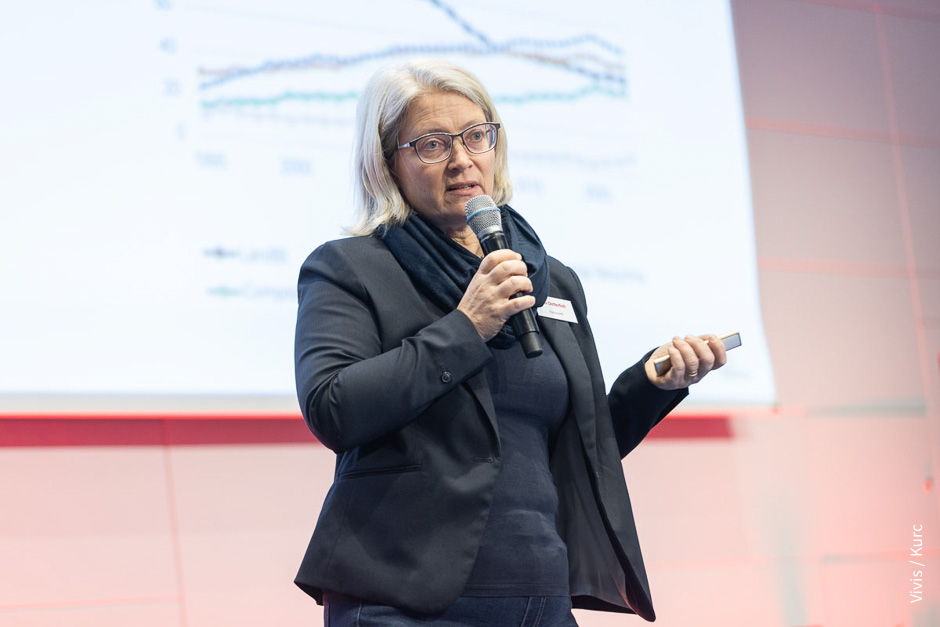
The cost of EU emissions allowances is placing a financial strain on Swedish Waste-to-Energy operators, who are now calling for standardised regulations across Europe. This was a key message from a presentation by Lia Detterfelt of the Swedish WtE operator Renova at the Berlin Waste Management and Energy Conference at the end of January. Swedish Waste-to-Energy (WtE) plants, which have been part of the EU Emissions Trading System since 2013, must purchase allowances for their fossil CO2 emissions.
The expense for these allowances now accounts for over 15 per cent of turnover for some operators, which has led to increased gate fees. The inclusion in the ETS has incentivised operators to implement measures to reduce greenhouse gas emissions, such as promoting plastic recycling, reducing plastic consumption, and improving waste sorting.
Call for Standardised Regulations
Operators are required to invest in monitoring technologies to measure fossil CO2 emissions in compliance with EU-ETS regulations. These regulations mandate the use of methods such as Carbon-14 analysis of flue gas and require continuous improvement of measurement accuracy. However, variations in monitoring methods and cost regulations across EU member states are reportedly creating an uneven playing field.
This discrepancy in reported emissions and costs leads to competitive disadvantages. Consequently, Swedish WtE operators are advocating for standardised regulations for all WtE plants and landfills within the EU. Despite the financial strain, operators state they acknowledge a moral obligation to reduce greenhouse gas emissions and contribute to climate change mitigation.
Future Strategies for Emission Reduction
To address the economic and environmental challenges, operators are adopting long-term strategies. These include promoting recycling, advocating for the introduction of quotas for recycled materials in new products, and developing carbon capture and storage (CCUS) technologies. The suggestions for the future include the inclusion of all European WtE plants and landfills in the EU-ETS to ensure fair competition and a broader reduction in emissions.


Leave a Reply