
Dutch waste companies warn that new levies could stop key CO₂ capture projects. What are the risks for the sector and national climate strategy?
Key Takeaways
- Dutch waste companies warn that new levies may jeopardise crucial CO₂ capture projects due to increased investment risks.
- A potential €567 million levy threatens investment security and could push waste processing abroad.
- Major carbon capture projects from companies like Attero, AVR, AEB, and EEW face delays and uncertainty due to policy changes.
- The success of CCS projects is vital for the Aramis CO₂ storage project, which has postponed its investment decision to 2027.
- Political leaders are calling for alternative solutions to avoid overburdening waste-to-energy plants with new financial pressures.
Waste management companies Attero, AVR, and AEB have applied for SDE++ subsidies for projects focused on Carbon Capture and Storage (CCS). However, the sector warns that policy uncertainty and potential national levies are making these investments too risky. The companies are calling for political decisions and investment security from the government.
Investment Security Under Threat
The waste sector faces a potential additional levy of €567 million. This measure is being considered to compensate for the revenue lost from a scrapped plastics levy. The cost is expected to be passed on to waste-to-energy plants.
The Dutch Waste Management Association warns that government policy is undermining the security required for large-scale capital investment. There is also a concern that significantly higher costs in the Netherlands will result in more waste being diverted abroad for processing. Additionally, the sector states that for these investments, the signals are on red until the government removes these uncertainties.
Major Carbon Capture Plans Paused
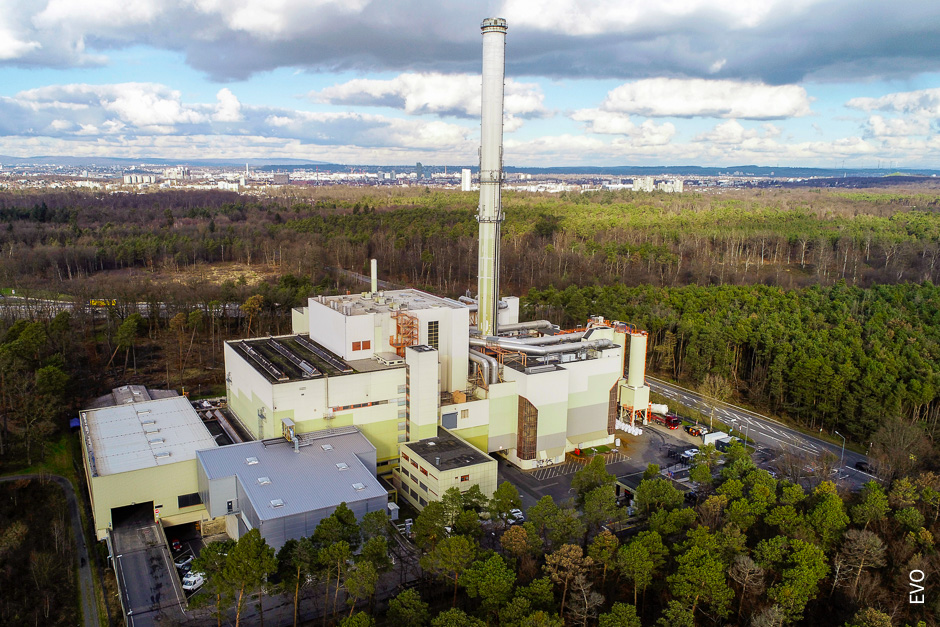
Several waste companies have substantial CCS projects planned. Attero aims to capture over 600 kilotons of CO₂ annually in Moerdijk. AVR targets 440 kilotons in Rozenburg. Additionally, AEB has plans for 500 kilotons in Amsterdam.
Furthermore, the company EEW intends to capture 270 kilotons of CO₂ per year. It has already secured the permits for its installations.
Broader Impact On National Strategy
The success of the CCS projects at the waste-to-energy plants is considered crucial for the large-scale Aramis CO₂ storage project. The initial phase of Aramis is heavily dependent on the CO₂ captured by these facilities. In turn, the waste companies require the Aramis project to store their captured CO₂.
The investment decision for the Aramis project has been postponed to 2027. This delay increases the urgency for policy clarity for the waste sector.
Political Calls For Alternative Solutions
A motion introduced by Members of Parliament Luc Stultiens (GroenLinks-PvdA) and Pieter Grinwis (ChristenUnie) recently received majority support in the chamber. It calls on the cabinet to find alternatives to placing a heavier financial burden on waste-to-energy plants. The motion suggests directing levies more towards primary and fossil raw materials instead of waste. After all, waste is at the end of the chain.
The Waste Sector Working Group has submitted a report with alternative proposals for the cabinet to consider in the upcoming Spring Memorandum. In its advisory report, the group states that the waste companies need a guarantee that the government will not force them to close during the term of the SDE subsidy period for CCS. Importantly, this guarantee is not yet in place.

Leave a Reply