

A new position paper criticises the Global Methane Status Report 2025 for a significant omission. The authors argue that Waste-to-Energy is not adequately recognised as a key technology for methane reduction.
Key Takeaways
- A new position paper criticises the Global Methane Status Report 2025 for omitting Waste-to-Energy as a key technology for methane reduction.
- The WtE+X Knowledge Alliance highlights that the report focuses on waste prevention and treatment but mentions Waste-to-Energy only peripherally.
- Empirical studies show that methane emissions from landfills are higher than reported, making Waste-to-Energy crucial for reducing these emissions.
- Integrating Waste-to-Energy complements recycling and promotes a circular economy, while adhering to international regulations.
- The paper recommends explicitly including Waste-to-Energy in the GMSR 2025 and defining clear criteria for its integration to meet climate targets.
The WtE+X Knowledge Alliance has published a position paper analysing the Global Methane Status Report 2025 (GMSR 2025) from a waste management perspective. The paper identifies a gap in the report: the lack of explicit inclusion of Waste-to-Energy as a key technology for reducing methane emissions from landfills. Additionally, the WtE+X Knowledge Alliance includes the associations Cewep, Eswet, and the research organisation WtERT.
According to the analysis, the GMSR 2025 concentrates on measures such as waste prevention, separation, composting, anaerobic digestion, and landfill gas capture. Waste-to-Energy is mentioned only peripherally, for instance as ‘thermal pre-treatment’ or ‘energy recovery’, without a technical definition or clear classification. Moreover, the alliance states that this unclear representation often leads to WtE not being considered in political strategies, financing instruments, and national climate plans.
The Problem of Landfill Methane Emissions
Methane is a potent greenhouse gas with a high short-term warming potential. The position paper highlights that empirical studies show actual methane emissions from landfills are significantly higher than stated in official inventories. Furthermore, it is noted that even modern landfills with gas capture systems exhibit substantial ‘fugitive emissions’, leading to long-term and difficult-to-control methane releases.
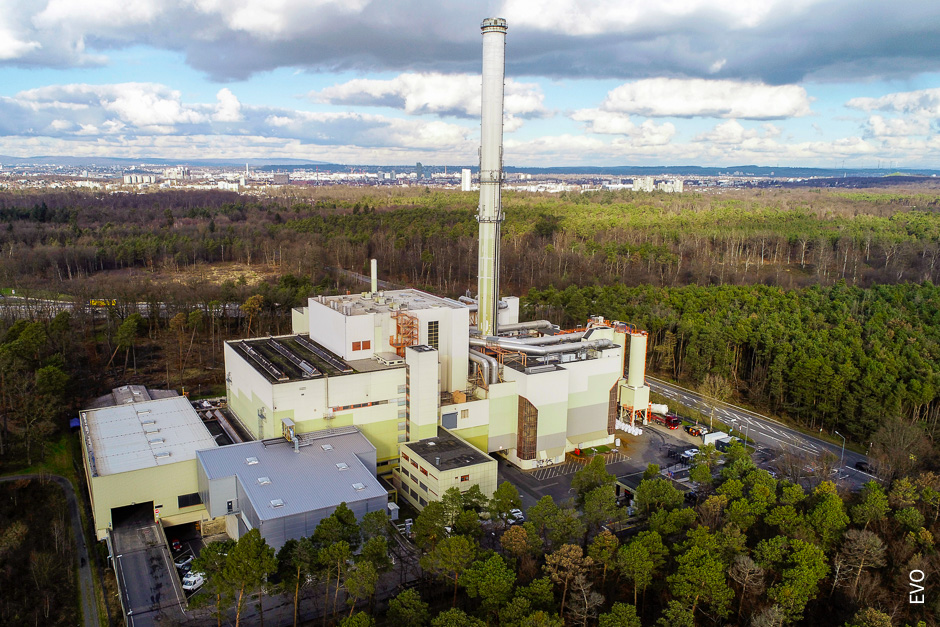
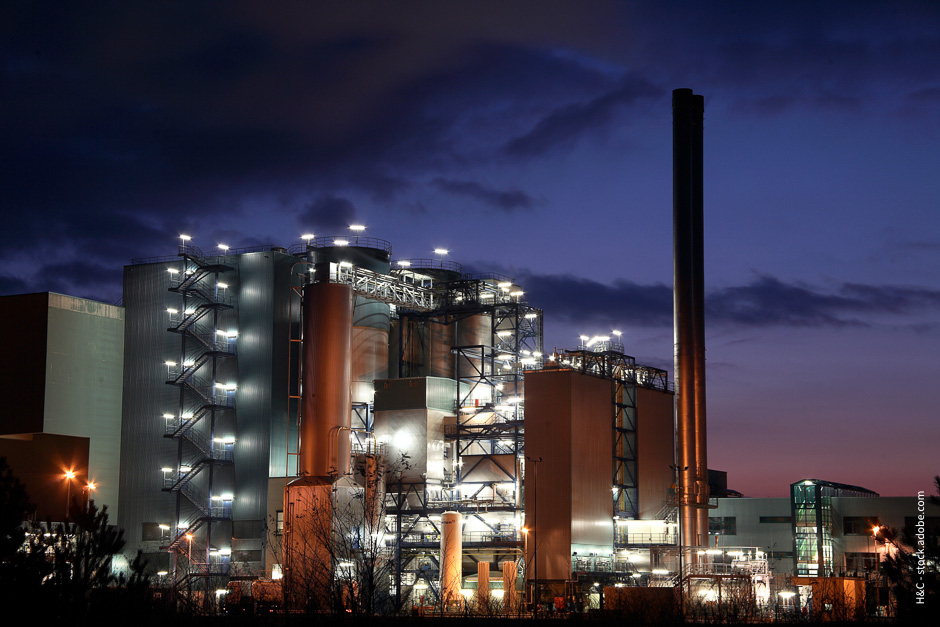
Waste-to-Energy prevents the formation of methane by thermally treating non-recyclable waste and recovering energy from it. The technology is described in the paper as a large-scale, mature solution that simultaneously reduces waste streams and provides a stable energy supply. As a result, it complements recycling and composting, as a residual fraction of non-recyclable waste always remains.
Integrating WtE into the Circular Economy
The paper points out that countries with high recycling rates also utilise WtE. This demonstrates the complementary nature of both approaches. Moreover, further benefits of WtE plants are mentioned, including material recovery (e.g., metals from bottom ash), a reduction in land requirements, an improvement in air quality, and integration into the circular economy.
International bodies and regulations, such as those from the IPCC, OECD, and EU directives, recommend an integrated waste management approach that includes prevention, recycling, and energy recovery. WtE is recognised as a sustainable solution for non-recyclable waste and is part of European and international climate strategies. In addition, the paper notes that modern WtE plants meet stringent environmental standards and can be combined with Carbon Capture technologies.
Recommendations for the GMSR 2025
The position paper makes specific recommendations. It calls for the GMSR 2025 to explicitly include WtE as a technological category for the treatment of non-recyclable waste. Furthermore, it suggests that clear criteria for the integration of WtE should be defined, including the use of the best available techniques, adherence to environmental regulations, and monitoring.
In conclusion, the paper argues that the explicit inclusion of WtE is essential to reduce dependency on landfills and to achieve climate targets. It calls for a technical revision of the GMSR 2025 to strengthen the practical applicability and effectiveness of its recommendations.

Leave a Reply