
Untreated waste is still going into EU landfills – and releasing a gas 28 times worse than CO₂. Brussels now wants proof. Operators agree, with one important condition.
Key Takeaways
- ELA backs the Commission’s 17 July 2026 plan to monitor landfill methane.
- Methane harms the climate 28 times more than CO₂.
- Untreated biodegradable waste is still landfilled in the EU; ELA wants it phased out.
- Monitoring should be proportionate and risk-based, as landfill types differ.
- ELA urges swift Landfill Directive implementation, BAT standards and a level playing field.
The European Landfill Association (ELA) supports the European Commission’s proposal of 17 July 2026 to monitor and report methane emissions from landfills. According to the association, reliable and comparable data can improve the understanding of landfill methane emissions across Europe and show where large quantities of untreated biodegradable waste are still being landfilled.
The Commission has proposed to gradually include the waste-to-energy sector in the European Emissions Trading Scheme from 2031 onwards. Whilst landfill sites where biodegradable waste is deposited produce methane, which has a climate impact 28 times greater than that of carbon dioxide, the Commission’s proposals would exclude landfill sites from the scheme. The Commission first wishes to gather facts and figures and is therefore proposing to measure methane emissions from landfills across Europe.
According to its own statements, the ELA supports the European objective of phasing out the landfilling of untreated biodegradable waste. Waste that can be collected separately, recycled or treated in some other way should not be landfilled, the association says.
Uniform Measurements Across Europe
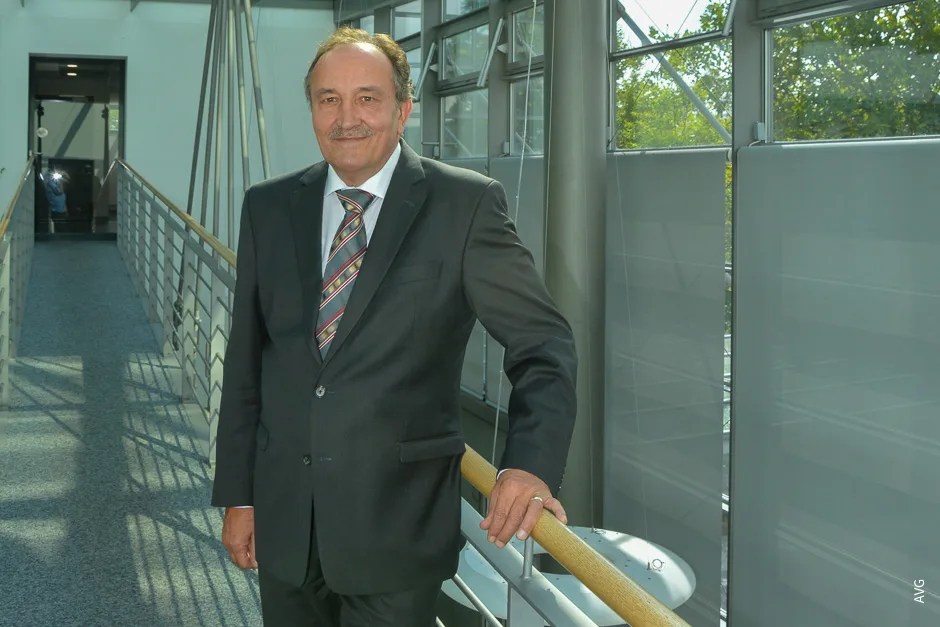
“Unfortunately, untreated municipal waste is still being landfilled in the EU. This causes methane emissions that damage the climate, which is why this practice must be stopped,” said ELA-President Hartmut Haeming. “Europe-wide standardised, validated methane measurements carried out in all member states, as now planned by the EU Commission, can help to reveal the extent to which this is unfortunately still happening.”
Haeming added that European policy must at the same time create fair competitive conditions that prevent untreated, recyclable waste from ending up in landfills. In doing so, the essential role of landfills in the safe disposal of waste that can neither be recycled nor otherwise recovered must be recognised.
Different Landfill Types, Different Emission Profiles
The ELA states that methane monitoring must take account of the differing roles and emission profiles of European landfills. The majority of the facilities represented by the association are not landfills for untreated municipal waste. Inert waste landfills, hazardous waste landfills and many non-hazardous waste landfills have fundamentally different methane generation profiles.
Monitoring requirements should therefore be proportionate, risk-based and targeted at landfills where methane emissions can reasonably be expected.
Focus on Prevention and Implementation
European climate and waste policy should focus primarily on preventing new biodegradable waste from being landfilled, the association argues. Methane from waste deposited in the past cannot be prevented retrospectively and must instead be managed appropriately.
The ELA considers it essential to implement the requirements of the EU Landfill Directive rapidly in all member states and to establish appropriate standards within the BAT framework for landfills. This is intended to reduce greenhouse gas emissions and to create a sustainable and balanced European investment climate as well as a level playing field in waste management.
The association represents 629 landfills across Europe: 237 inert waste landfills, 345 non-hazardous waste landfills and 47 hazardous waste landfills. Its members operate infrastructure for the management of waste that cannot be recycled or otherwise recovered.
Read More
Ask WtE Monitor
Answers come only from WtE Monitor articles and plant data, with sources. Ask in any language.
Your question is processed by Anthropic to generate the answer. Please do not enter personal data. Privacy policy
3 questions a month with a free subscription, unlimited with WtE Monitor+. Subscribe free · Get WtE Monitor+

Leave a Reply