
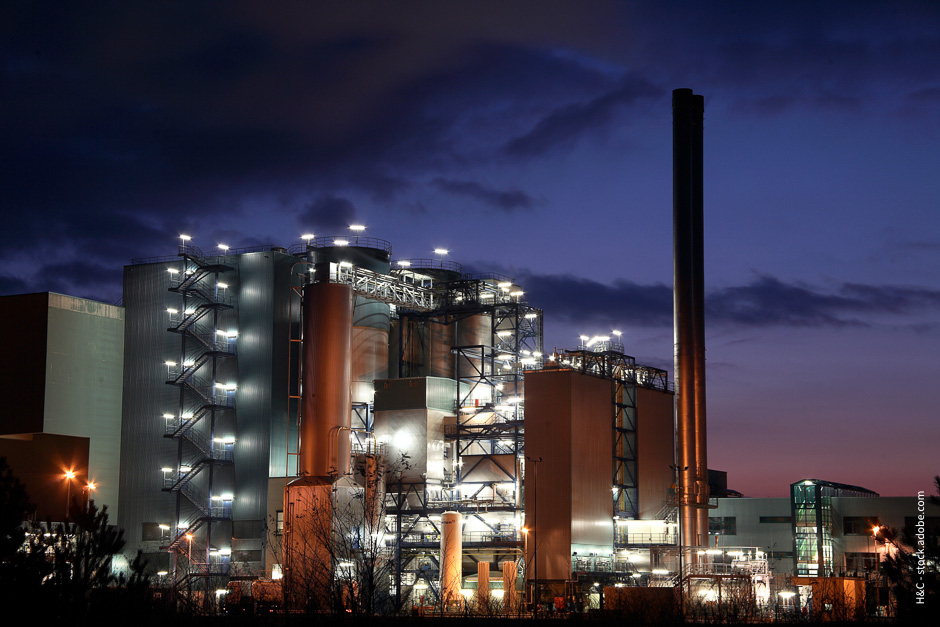
The waste-to-energy plant in Kiel complied with all daily emission limits in 2025. All figures on waste volume, energy yield and residues.
Key Takeaways
- Kiel’s waste-to-energy plant met all daily emission limits in 2025 – no daily average was exceeded.
- It processed 145,279 tonnes of household and commercial waste into electricity and district heating.
- Annual means for eight pollutants were monitored continuously on both incineration lines.
- An independent institute took periodic heavy-metal and dioxin measurements.
- Half-hourly readings tell a slightly different story, but levels stay well below legal limits.
Some time ago, the Kiel waste-to-energy plant published its environmental data for 2025. Last year, the plant processed 145,279 tonnes of household and commercial waste, using it to generate electricity and district heating for the capital of Schleswig-Holstein.
The report lists annual mean values for eight continuously monitored pollutants on both incineration lines, together with periodic measurements of heavy metals and dioxins by an independent institute. Not a single daily-average limit was exceeded. However, the half-hourly readings tell a slightly different story – even though the emission levels are, on the whole, unproblematic and fall well below the limits set out in the German Air Pollution Control Ordinance.
We have updated the company report on MVK with the latest figures. Among other things, the report now provides an overview of waste input, the energy balance and the residues remaining after incineration for 2025, and shows the extent to which the individual emission levels compare with the permitted limit values for the plant.



Leave a Reply