
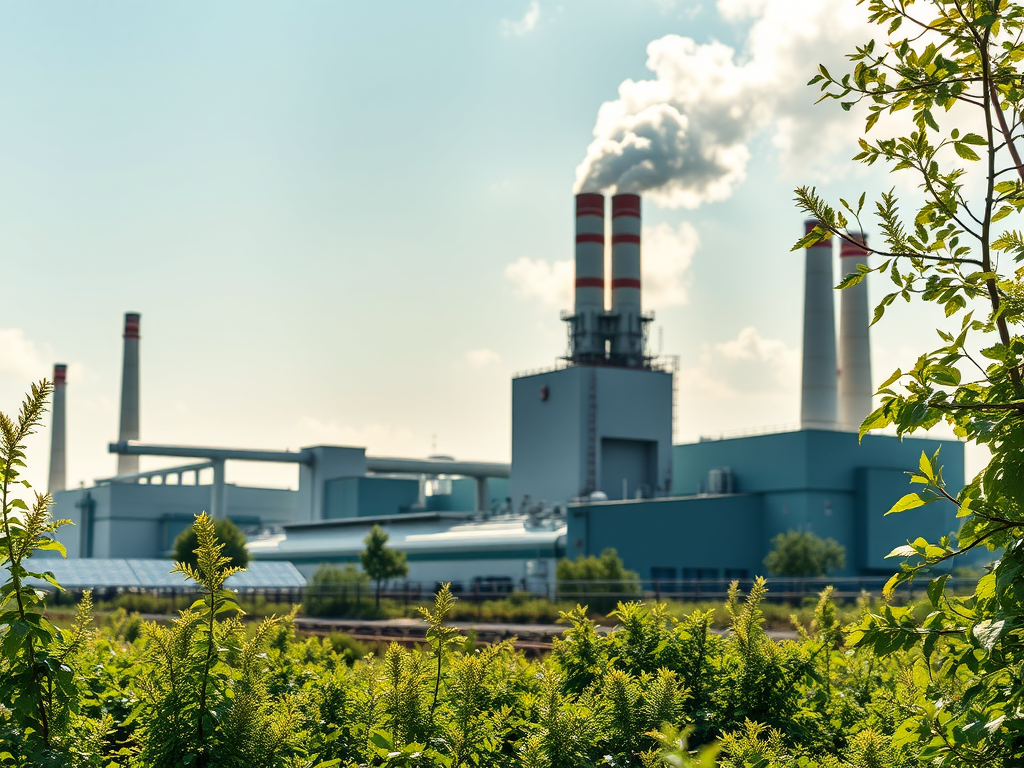
How can heat from non-recyclable waste support district heating, reduce gas use and cut emissions across Europe?
Key Takeaways
- Waste-to-Energy facilities can reduce gas use and emissions by providing heating and cooling in Europe.
- These plants treat non-recyclable waste, generating significant energy while preventing methane emissions and strengthening local energy systems.
- Countries like France and Denmark successfully use Waste-to-Energy for district heating, showcasing its low-carbon potential.
- Industrial applications, like the ECLUSE project, demonstrate how Waste-to-Energy can replace gas-fired boilers and lower carbon emissions.
- Cewep recommends policies for infrastructure investment and heat planning to enhance the Waste-to-Energy Heating Strategy across Europe.
Waste-to-Energy facilities across Europe could play a significant role in decarbonising the continent’s heating and cooling systems while treating non-recyclable waste. The Confederation of European Waste-to-Energy Plants (Cewep) has outlined recommendations for the European Commission’s Heating and Cooling Strategy to better utilise this existing energy source.
Current Energy Contribution
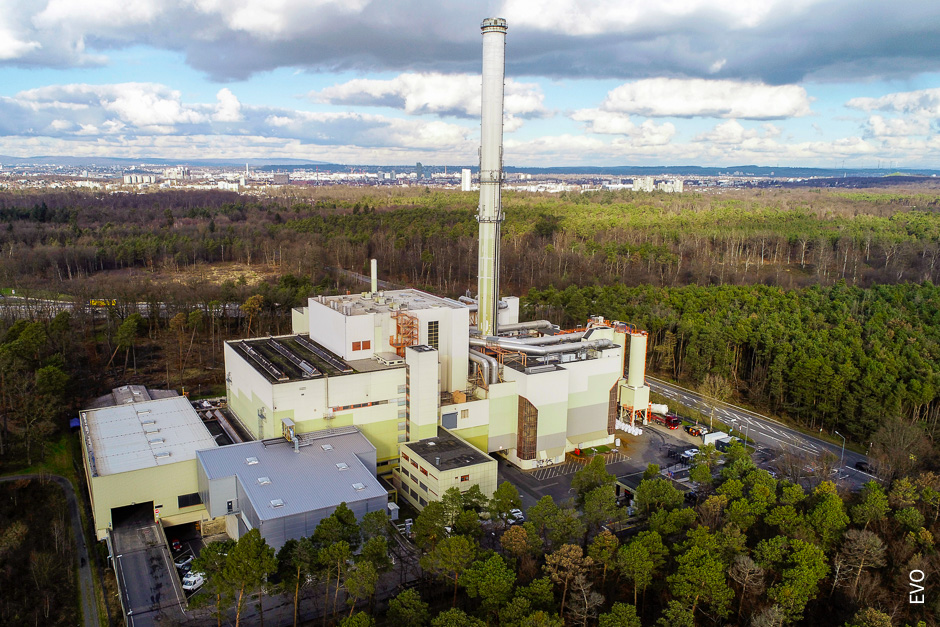
Around 500 Waste-to-Energy facilities across Europe safely treat approximately 100 million tonnes of non-recyclable waste annually while recovering energy and materials. These plants generate about 43 TWh of electricity and 99 TWh of heat each year, supplying energy to roughly 37 million citizens.
In 2019, this energy production displaced an estimated 13.8 billion cubic metres of natural gas, representing about 9 per cent of Russian imports that year. The facilities provide stable baseload energy that strengthens the resilience of local energy systems and contributes to the circular economy by preventing methane emissions from landfills and recovering metals and minerals.
National Implementation Examples
Several member states demonstrate the potential of Waste-to-Energy for low-carbon heat supply. In France, thermal treatment facilities provide 27 per cent of all district heating energy and 43 per cent of renewable and recovered heat. Denmark generates 24 per cent of its district heating through Waste-to-Energy, while Germany produces around 16 per cent of district heating from waste, making it the second-largest energy source after natural gas.
Urban Heat Networks
Individual cities show even higher integration rates. Hamburg receives about 43 per cent of its district heating from waste, while Bielefeld reaches 60 per cent. Hannover and Magdeburg achieve 25 per cent and 32 per cent respectively. International examples include Brescia, where Waste-to-Energy supplies over 70 per cent of district heating, Paris with 45 per cent of network heat from three facilities, and Vaasa covering 60 per cent of local demand.
Industrial Applications
The ECLUSE project in the Port of Antwerp connects a Waste-to-Energy plant to five chemical companies via a steam pipeline, replacing gas-fired boilers and reducing carbon dioxide emissions by approximately 100,000 tonnes per year. Similar industrial heat networks could deliver comparable benefits across Europe but require better coordination, planning and investment conditions.
Policy Recommendations
Cewep recommends seven key measures for the Heating and Cooling Strategy. These include consistent recognition of thermal treatment heat as waste heat across European Union and national frameworks, and requirements for local and regional heat planning to identify and integrate available waste-heat sources into district heating networks and industrial supply.
The association also calls for infrastructure investment support through European Union and national funding programmes for new and upgraded district heating connections, industrial heat networks and cross-sectoral pipelines. Simplified and harmonised permitting procedures for shared energy infrastructure would reduce delays for industrial symbiosis and heat-network projects.
Additional recommendations include de-risking heat-connection projects through support mechanisms for long-term agreements between facilities and industrial users, promoting integration with carbon capture utilisation and storage to enable negative emissions, and ensuring coordination between waste, energy and industrial policy.

Leave a Reply