
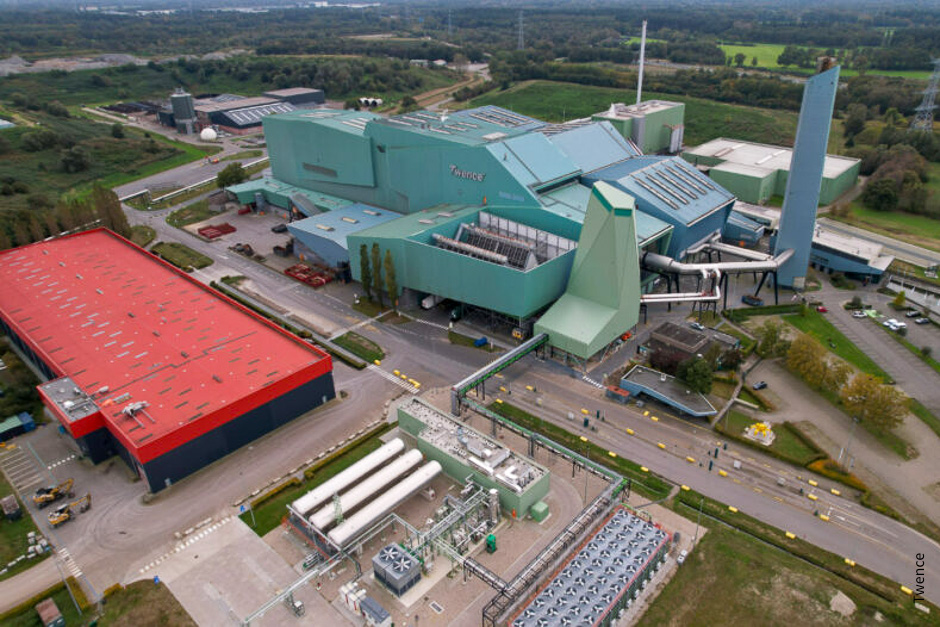
In 2025, Twence not only increased its revenue by 11.3 per cent but also made substantial progress in sustainability. Learn about the key innovations and strategic moves behind these results.
Key Takeaways
- In 2025, Twence achieved a net revenue of €162.0 million, reflecting an 11.3 per cent increase due to higher delivery volumes and improved energy prices.
- The company launched a new CO₂ capture plant, capturing 31,800 tonnes in its first phase, boosting its sustainability efforts.
- Twence expanded renewable energy initiatives, including a biogas plant producing 1.9 million cubic metres of green gas and a solar park serving 3,800 households.
- Operational efficiency improved significantly with electricity generation increasing to 515 GWh, and safety records showed a notable decrease in workplace accidents.
- Resource recovery improved with heightened production of ferrous and non-ferrous metals, alongside increased bottom ash output.
Dutch waste management company Twence has announced a net revenue of €162.0 million for 2025, an 11.3 per cent increase compared to the €145.6 million reported in the previous year. The company states the rise is primarily due to higher delivery volumes and improved prices, particularly in the energy sector.
The operating result (EBIT) grew to €23.7 million from €21.4 million in 2024, while the result after taxes was €15.1 million. The EBITDA for 2025 stood at €59.5 million. Total waste deliveries saw a slight increase to 1.09 million tonnes.
Innovations Drive Sustainability Metrics
A key development in 2025 was the commissioning of a new CO₂ capture plant, which has an annual capacity of 100,000 tonnes. In its initial phase, the facility captured 31,800 tonnes of CO₂, a substantial increase from the 800 tonnes captured in 2024.
The company also expanded its renewable energy activities. A new biogas plant began operations, designed to produce 1.9 million cubic metres of green gas annually. Furthermore, the Elhorst-Vloedbelt solar park, featuring 24,000 solar modules, was opened to supply energy to 3,800 households. The number of households supplied with sustainable heat increased to 66,822, and those receiving green gas rose to 4,230.
Operational Efficiency and Regional Pacts
Process optimisations and cost-saving measures contributed to an operating result that exceeded the budget. The gross electricity generation increased to 515 GWh in 2025 from 468 GWh in the prior year. Stable plant availability ensured continuous production of energy and raw materials.
Twence strengthened its regional presence by finalising a contract to supply locally generated green electricity to ten municipalities. The company also reported success in its lobbying efforts, helping to prevent the full cost of a planned plastics levy from being passed on to the waste sector. However, the business environment continues to be influenced by geopolitical uncertainties, changing legislation, and CO₂ levies.
Improved Safety and Resource Recovery
The company reported a significant improvement in workplace safety, with the accident frequency rate (IF index) per million working hours decreasing from 8.6 in 2024 to 2.4 in 2025.
Resource recovery was enhanced through process adjustments. The production of ferrous metals increased to 14,900 tonnes, while non-ferrous metal output rose to 8,400 tonnes. The production of bottom ash also increased to 147,100 tonnes.

Leave a Reply