
Twence in the Netherlands is capturing 100.000 tonnes of CO₂ annually from its Waste-to-Energy plant. The project provides a model for reducing emissions and creating value from captured carbon.
Key Takeaways
- Twence captures 100,000 tonnes of CO₂ annually at its Waste-to-Energy plant, serving as a model for emissions reduction.
- The project utilises SLB Capturi’s amine-based technology, achieving over 95% CO₂ capture efficiency with a purity of 99.8%.
- Captured CO₂ supports various industries, promoting a circular economy with a net reduction of CO₂ equivalents in agriculture.
- The project’s success relies on long-term off-take agreements and state subsidies for economic sustainability.
- Future developments include cross-border CO₂ transport and storage, contributing to a European framework for CO₂ management.
Pim van Keep, Head of Commercial Europe at SLB Capturi, presented details of the Twence carbon capture project at the Waste Management and Resource Forum in Kassel. The Dutch waste management company Twence has commenced full-scale operations for its Carbon Capture, Utilisation and Storage (CCUS) project. The project is designed to capture 100.000 tonnes of CO₂ per year.
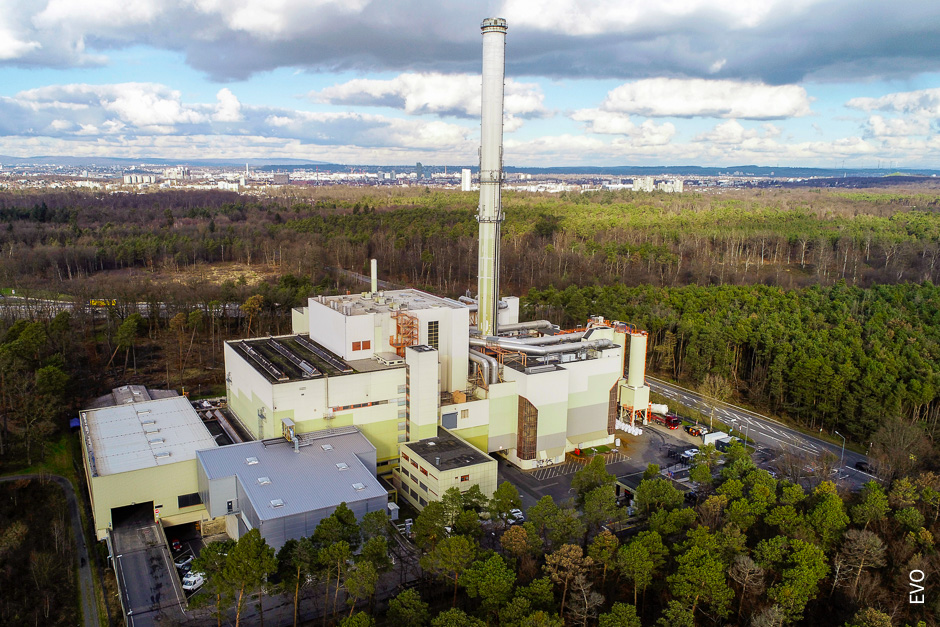
The facility, which is owned by 15 municipalities in the Twente region, integrates the technology into its existing Waste-to-Energy plant. The initiative began with pilot trials in 2015. It reached its current operational scale in 2025, capturing 12.5 tonnes of CO₂ per hour.
Technical Implementation and Operational Efficiency
The project employs an amine-based CO₂ capture technology from SLB Capturi, utilising the modular Just Catch 100 system. This system has a stated capacity of 14.4 tonnes of CO₂ per hour. Moreover, it achieves a capture efficiency of over 95 per cent, with a final CO₂ purity of 99.8 per cent.
The process is designed for energy efficiency, consuming 1028 kWh of thermal energy and 212 kWh of electricity per tonne of captured CO₂. Initial challenges during commissioning, including noise and component interface issues, were addressed through design modifications. The operational data indicates that the plant’s energy efficiency is higher than initially projected.
The captured CO₂ is utilised in various sectors, including agriculture for greenhouse fertilisation, the food industry, and for the production of dry ice. According to the project’s lifecycle analysis, this use results in a net reduction of 0.88 tonnes of CO₂ equivalents for every tonne of CO₂ used in greenhouses. This approach supports the creation of new product chains. In addition, it contributes to the circular economy.
Regulatory Framework and Economic Viability
The project’s implementation required comprehensive environmental permits, which were granted based on studies of air quality, water consumption, noise levels, and local ecosystems. A full lifecycle analysis was conducted to assess the overall environmental footprint and validate the reduction in CO₂ emissions. The economic model for the plant relies on long-term off-take agreements for the captured CO₂. These agreements secure stable revenue streams.
State subsidies, including the DEI and SDE programmes, were critical for the project’s financing, covering a portion of the investment and operational costs in compliance with EU regulations. These long-term contracts and financial support mechanisms are considered essential for the economic sustainability of the project. Learnings from the operation highlight the importance of modularity in reducing installation costs. Furthermore, they show the necessity of detailed planning for the integration of different plant components.
Future plans for the project include the development of cross-border CO₂ transport and storage solutions. The initiative aims to contribute to a harmonised European framework for CO₂ management. This would involve the creation of regional CO₂ hubs and decentralised systems to integrate smaller, off-grid emitters.

Leave a Reply