
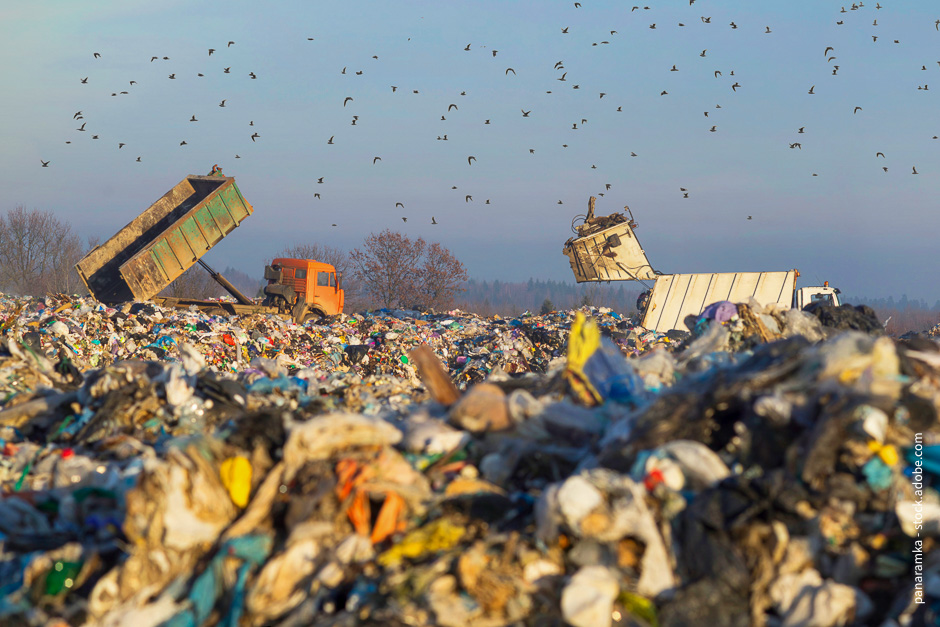
A sudden price drop for landfilling in Konin, Poland, raises questions. What does this mean for the control of waste streams?
Key Takeaways
- The price for landfilling waste in Konin, Poland, has dropped to 636 zloty (150 euros) for waste from member municipalities.
- This decrease follows a price increase earlier in the year, which raised the cost to 732 zloty (172 euros) for non-domestic waste.
- Only domestic waste benefits from the lower price; waste from other local authorities remains at the higher rate.
- The price difference between landfilling and energy recovery is crucial for influencing waste management choices towards more sustainable methods.
- Waste disposal pricing is sensitive, meaning small changes can significantly affect waste material flows.
Landfilling waste in Konin, Poland, is becoming cheaper again. As can be seen from the updated price list issued by the municipal waste management company in mid-April, landfilling waste with EAV code 19 12 12 now costs 636 zloty (150 euros) again. This applies provided the waste originates from the area of a member municipality.
At the turn of the year, the municipal waste management company had increased the official prices for landfill disposal to 732 zloty (172 euros). However, the company left the price for thermal treatment at 600 zloty (141 euros). The price difference had thus shifted significantly in favour of the Waste-to-Energy plant.
Only domestic waste will become cheaper
However, the municipal waste management company is only backtracking on waste from the local authorities of the member municipalities. Waste management companies wishing to landfill waste from other local authorities are still required to pay 732 zloty (172 euros) according to the official price list.
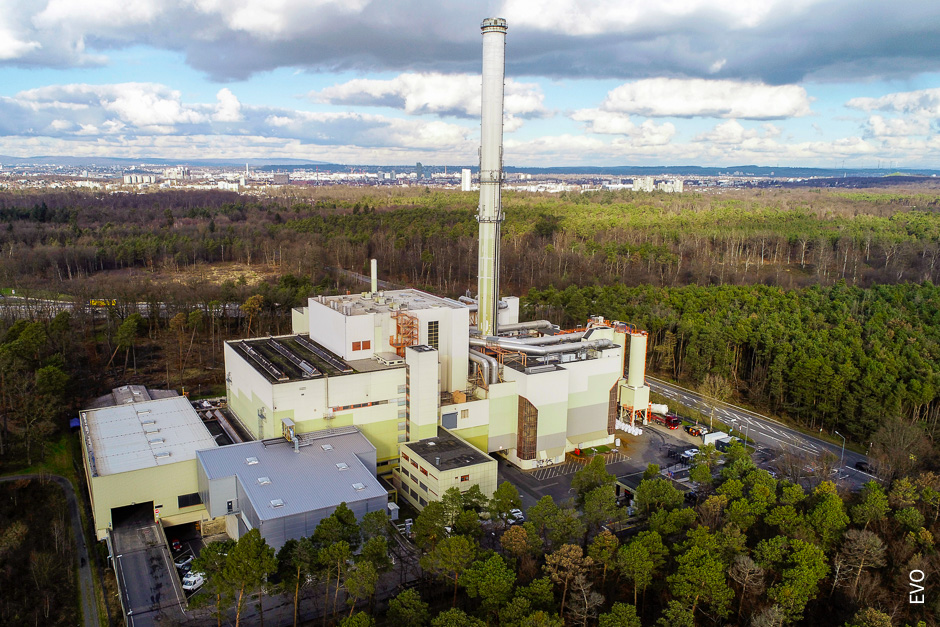
The price difference between landfilling waste and energy recovery in a waste-to-energy plant is seen as a key lever for diverting non-recyclable waste streams from more or less untreated landfilling towards higher-value energy recovery. As waste disposal is a price-sensitive business, even a small difference can be enough to steer material flows in one direction or the other.

Leave a Reply