
German Plant operator EEW has launched a pre-sorting plant in Delfzijl to separate plastics, advancing recycling and the circular economy.

Key Takeaways
- EEW has launched a pre-sorting plant in Delfzijl to enhance plastic recycling and support the circular economy.
- The facility aims to separate plastics from mixed waste prior to thermal treatment, reducing fossil components.
- This pilot project serves as a reference for EEW, allowing them to test technology for possible expansion to other locations.
- The plant employs modern sorting technology, including near-infrared tech, to identify and sort plastic fractions for recycling.
- Successful operation depends on economic conditions and incentives for using recycled materials, which are currently favourable in the Netherlands.
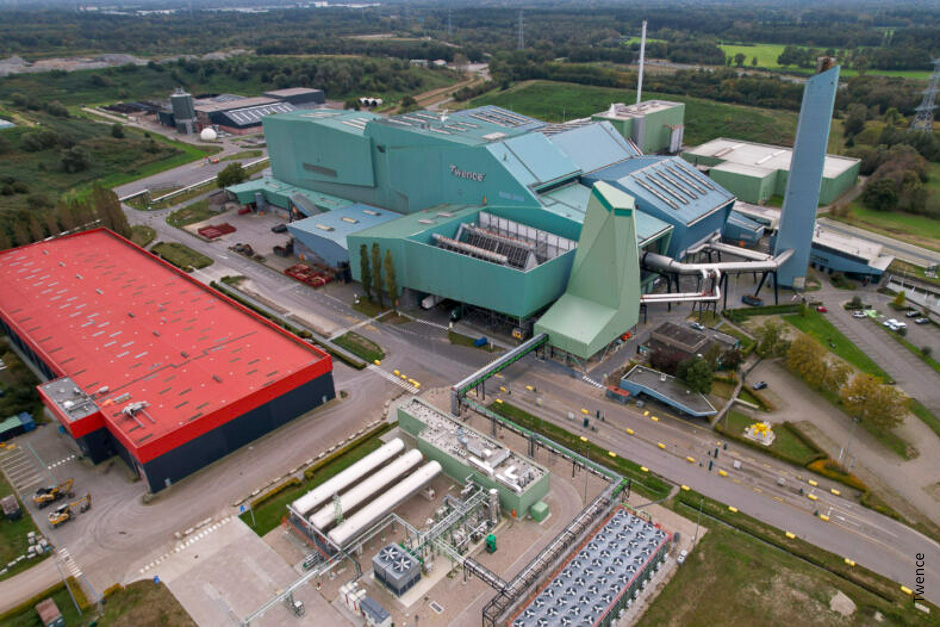
German Plant operator EEW has commenced the trial operation of its first pre-sorting plant for mixed waste at its Delfzijl site in the Netherlands in April 2026. The facility is a pilot project for the entire EEW group. It represents a further step in the development of waste treatment.
Focus on Plastic Separation
The primary objective of the plant is to separate plastics from the waste stream before thermal treatment. This process reduces the proportion of fossil components in the waste. Additionally, it creates material streams for mechanical and chemical recycling.
“With our first pre-sorting plant, we are once again expanding our activities along the value chain – for more circular economy,” states Timo Poppe, CEO of EEW. He added that the Delfzijl site, along with its pilot plants for CO₂ capture and NOx recycling, exemplifies the company’s commitment. The company is rethinking processes before and after thermal recovery to protect the climate and resources.
A Pilot Project for the Group
The plant in Delfzijl is the first of its kind within the EEW group and will serve as a reference project. The company aims to gather experience with the technology. It aims to assess its potential for application at other locations.
“The pre-sorting plant is an important step for us to test new technological approaches on an industrial scale,” explains Wilfred de Jaeger, Managing Director of the Delfzijl site. He notes that this creates the basis for further improving the recovery of valuable materials.
Modern Sorting Technology
The plant’s technology is based on a combination of mechanical processing and sensor-based sorting. It uses near-infrared technology to identify and separate various plastic fractions from the waste stream. Therefore, these fractions are made available for subsequent recycling processes.
Pre-sorting can contribute to improving the emissions balance of waste treatment and unlocking additional recycling potential, EEW announced. The success of such approaches depends on suitable economic and regulatory conditions. This includes functioning markets for the recovered plastic fractions and incentives for the use of recycled raw materials, such as potential future recycled content quotas. The location in the Netherlands currently offers a favourable environment for this.
Read More
Ask WtE Monitor
Answers come only from WtE Monitor articles and plant data, with sources. Ask in any language.
Your question is processed by Anthropic to generate the answer. Please do not enter personal data. Privacy policy
3 questions a month with a free subscription, unlimited with WtE Monitor+. Subscribe free · Get WtE Monitor+

Leave a Reply