
In 2025, the Kiel Waste-to-Energy plant processed 145,000 tonnes of waste, generating substantial energy for the city and recovering valuable materials for industrial applications.

Key Takeaways
- In 2025, the MVK waste-to-energy plant processed 145,279 tonnes of waste, including household, commercial, and bulky waste.
- The plant generated 46,499 MWh of electricity and 228,775 MWh of district heating, significantly reducing fossil fuel use in the city.
- It recycled important materials, producing 38,559 tonnes of slag for road construction and 4,313 tonnes of salt concentrate for external recycling.
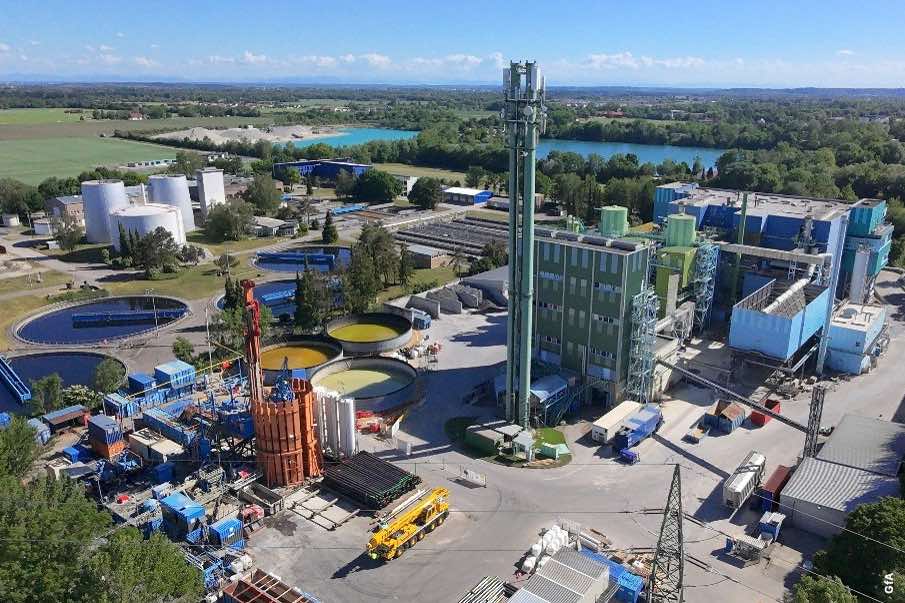
The Kiel Waste-to-Energy plant (MVK) thermally treated a total of 145,279 tonnes of waste in 2025.
The largest portion of this volume was household waste, accounting for 102,838 tonnes. The plant also processed 41,989 tonnes of commercial waste and 452 tonnes of bulky waste.
Energy Production from Waste
Through the incineration process, the facility generated 46,499 MWh of electricity and 228,775 MWh of district heating.
This energy supply served large parts of the city centre, resulting in significant fossil fuel savings.
Recycled Materials for Industry
The treatment process also yielded several materials for industrial use. A total of 38,559 tonnes of slag was produced, which is subsequently used in road construction.
Other materials recovered included 4,313 tonnes of salt concentrate and 352 tonnes of gypsum, both of which were sent for external recycling. Furthermore, 2,614 tonnes of filter dust were repurposed for mining backfill.
You can find all the facts and figures here.
Read More
Ask WtE Monitor
Answers come only from WtE Monitor articles and plant data, with sources. Ask in any language.
Your question is processed by Anthropic to generate the answer. Please do not enter personal data. Privacy policy
3 questions a month with a free subscription, unlimited with WtE Monitor+. Subscribe free · Get WtE Monitor+

Leave a Reply