
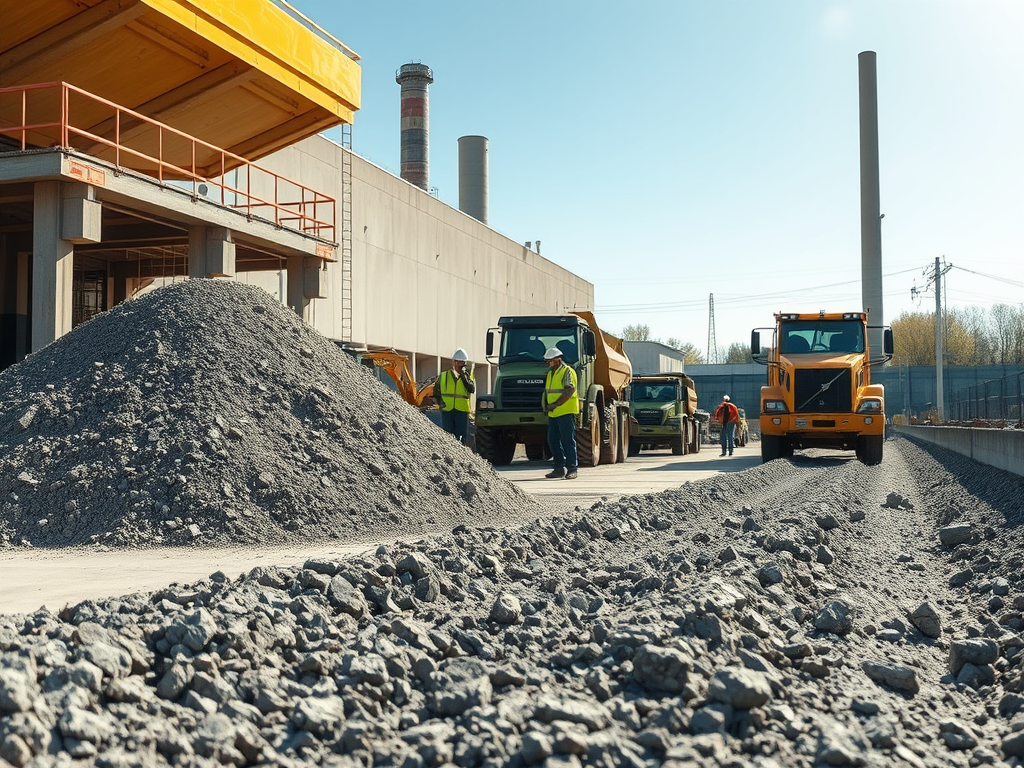
Bottom ash from municipal waste incineration in Bialystok is now approved for use in construction. Discover how new certification is changing recycling and material recovery practices.
Key Takeaways
- Bialystok Bottom Ash from municipal waste incineration is now approved for use as a construction material, following new certifications.
- Lech achieved this certification by confirming that the bottom ash meets European standards, allowing it to be used similarly to aggregates in other countries.
- This change marks a transition from landfilling to material recovery, enabling bottom ash to serve as a valuable raw material in construction.
- The regulatory approval supports recycling efforts and offers economic benefits by reducing landfill waste and allowing the sale of recycled materials.
- The initiative aligns with circular economy principles, promoting sustainable waste management practices.
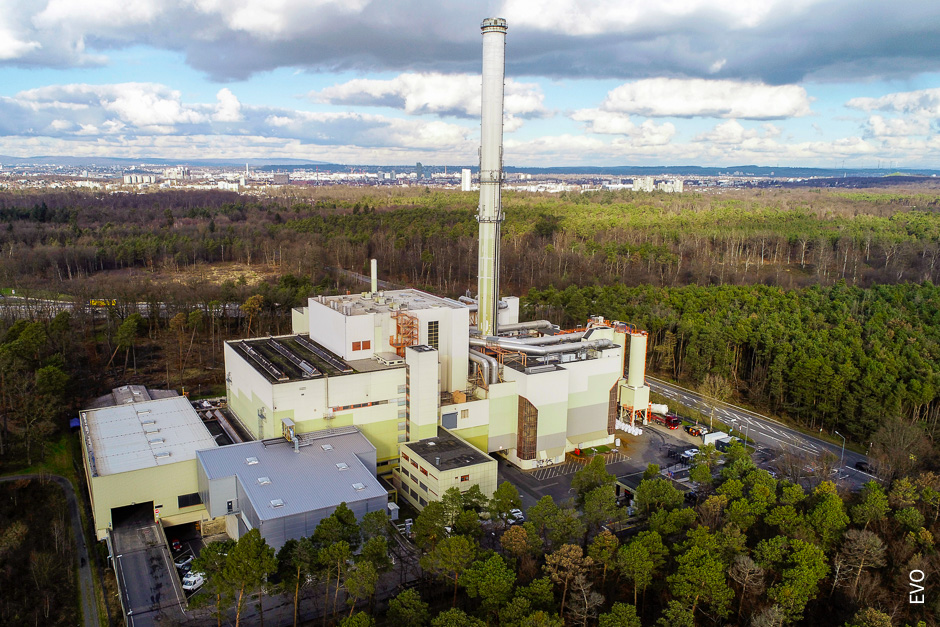
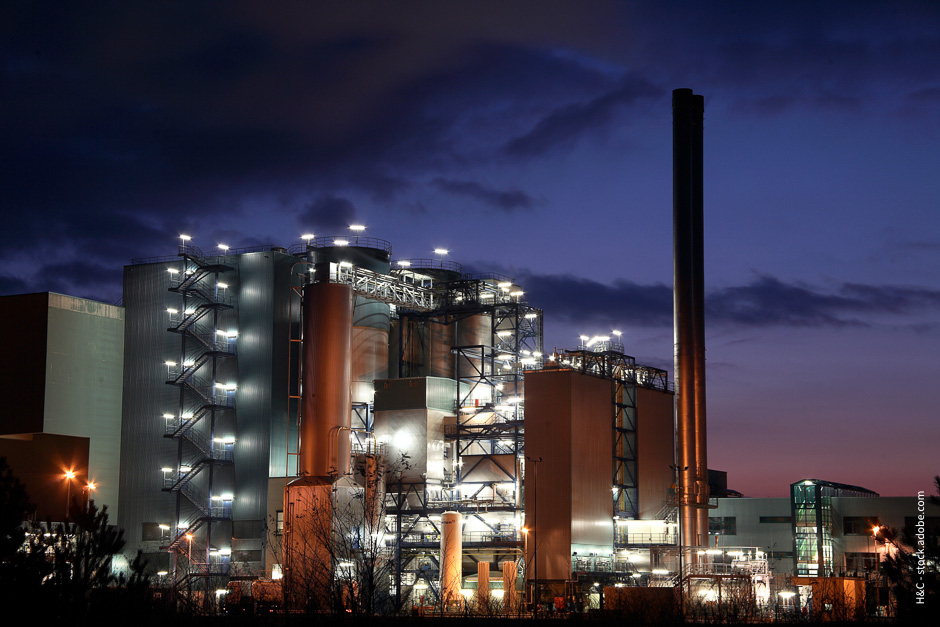
The bottom ash generated during the thermal treatment of municipal waste at the Municipal Waste Treatment Plant in Bialystok (ZUOK Bialystok), Poland, is now eligible for use as a fully-fledged construction material. Lech, the company operating the facility, has recently obtained a decision confirming the loss of the so-called waste status for this ash. Additionally, the company received certification verifying that the process of producing recycled aggregate from bottom ash meets the requirements of European standards.
This development follows the issuance of an amended Integrated Permit by the Podlaski Marshal’s Office. The permit change is the result of several years of efforts to enable secondary waste, in the form of bottom ash from ZUOK Bialystok, to be treated in the same manner as in Western European countries. In nations such as Germany, Italy, and Belgium, bottom ash is commonly used as aggregate for road base construction.
Transition From Landfilling to Material Recovery
Historically, bottom ash was classified as secondary waste and could not be utilised economically. It was deposited in a dedicated landfill area at the Municipal Waste Treatment Plant in Hryniewicze. The inability to repurpose this material represented a significant limitation for waste management operations.
Following compliance with stringent quality and environmental requirements, bottom ash can now be reused as aggregate in concrete mixtures and hydraulically bound mixtures, especially in road construction. This approach aligns with the principles of the circular economy, where waste is considered a valuable secondary raw material.
Certification and Regulatory Approval
In 2023, Lech conducted an extensive research programme confirming that bottom ash from the thermal treatment of municipal waste meets harmonised European standards. The use of this material is considered as safe as natural aggregates, according to a statement from Lech. The research programme culminated in the awarding of a certificate, which verifies that the implemented Factory Production Control process for recycled aggregate complies with relevant European standards and national construction product regulations.
The Factory Production Control Certificate applies to aggregate intended for hydraulically bound materials used in construction and road building. It also covers aggregate for concrete, with the exception of buildings designed for permanent human or animal occupancy, as well as facilities used for food production and storage.
This certification enabled the regulatory process for amending the Integrated Permit, which was subsequently approved by the Podlaski Marshal’s Office.
Quantities and Recycling Potential
At the Bialystok Municipal Waste Treatment Plant, the thermal treatment of approximately 120,000 tonnes of waste annually results in up to 33,000 tonnes of bottom ash and furnace residues, as well as 8,000 tonnes of ferrous metals and 500 tonnes of non-ferrous metals. Previously, only the metals were recycled, while the ash was managed through landfilling. With the new certification and regulatory approval, bottom ash can now be introduced to the market as a material rather than waste.
Environmental and Economic Benefits
The benefits of this solution are multifaceted. Firstly, it significantly reduces the volume of waste directed to landfills, addressing one of the main challenges in waste management. Secondly, it limits the consumption of natural aggregates such as gravel and sand, which can be partially replaced by bottom ash. Thirdly, the company gains the opportunity to market a new product, strengthening the economic aspect of the waste management process.
Leave a Reply