
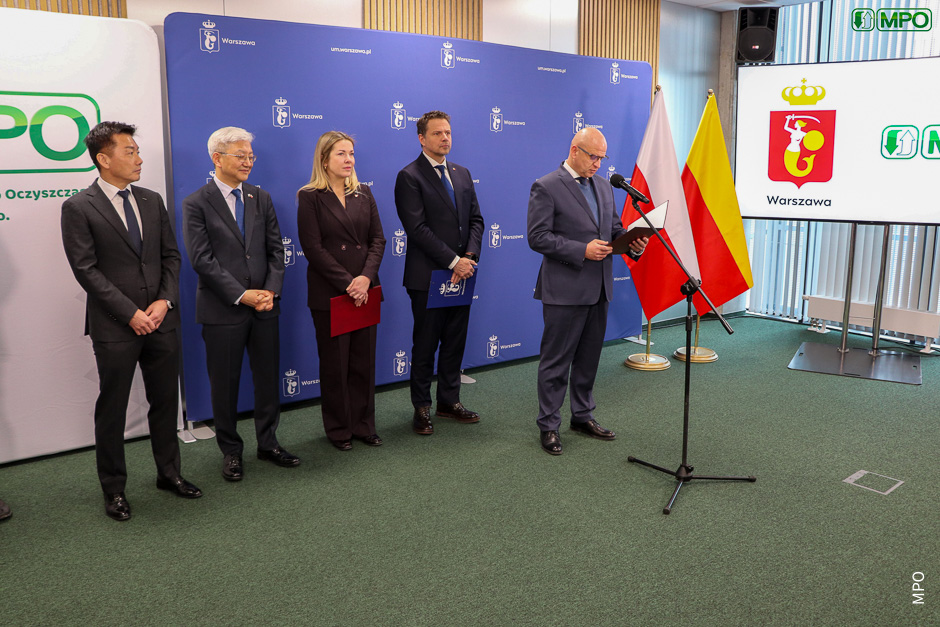
Warsaw officially opens its new waste incineration plant – an important step towards energy independence. The plant converts municipal waste into electricity and heat for the city.
Key Takeaways
- Warsaw officially opened its new Waste-to-Energy plant, converting municipal waste into electricity and heat for energy independence.
- The facility can process 265,000 tonnes of waste annually, producing 100,000 MWh of electricity and 200,000 MWh of district heating.
- Plans are underway to modernise the facility to increase its capacity to 300,000 tonnes of waste per year.
- The plant utilises advanced technologies and meets environmental standards, ensuring efficient waste management and energy recovery.
- This project significantly enhances Warsaw’s energy security and positions it alongside other European cities with similar initiatives.
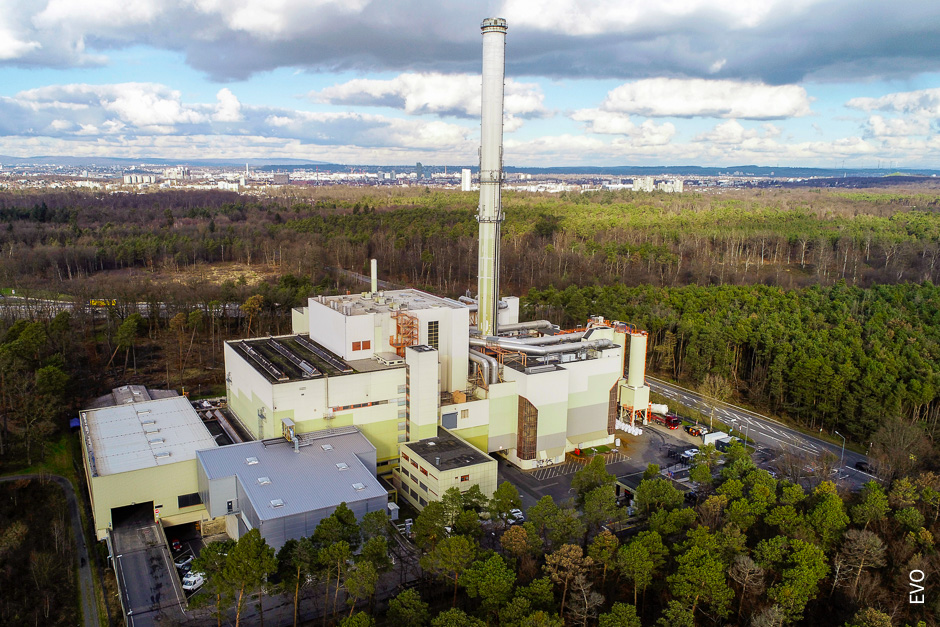
The Warsaw Energy Production Plant (WWE), a modern and large-scale thermal waste treatment facility in Poland, was officially opened on 19 February 2026. The Waste-to-Energy plant will convert 265,000 tonnes of waste into approximately 100,000 MWh of electricity and 200,000 MWh of district heating annually. The plant is operated by the municipal company MPO in Warsaw.
The electricity generated is sufficient to power approximately 50,000 households, while the heat produced can supply around 30,000 apartments. The facility is a key component in the comprehensive modernisation of Warsaw’s municipal waste management system.
Expansion and Future Capacity Increase
The new facility replaces the former ZUSOK (Municipal Solid Waste Disposal Plant), which had been in operation at the site since 2001 with a capacity of 40,000 tonnes of waste per year. The old processing line has been decommissioned.
Plans are in place to modernise this old line to enable the thermal treatment of non-recyclable waste fractions from the sorting process. This upgrade is expected to increase the plant’s total capacity to 300,000 tonnes of waste annually.

Integrated Sorting Facility
An integral part of the project is a modern sorting plant with a capacity of 30,000 tonnes per year. This facility will process selectively collected materials, including plastic, metal, and paper, to enhance recycling rates.
Regular operations, involving the thermal treatment of municipal waste alongside the production of heat and electricity, commenced in December 2024. This followed a period of final tests and calibrations. The project’s expansion began in the spring of 2021, with the permit for use granted in mid-2025.
“Warsaw is commissioning an investment on a scale comparable to major national projects, and it is doing so entirely on its own,” stated Rafał Trzaskowski, the Mayor of Warsaw. He noted that the 1.6 billion PLN investment was made without external funding and contributes to the city’s energy independence, turning waste into a fuel source.
Advanced Technology and Environmental Standards
The WWE facility is based on Best Available Technology (BAT) standards, utilising grate boiler technology, which is common in European plants that recover energy from municipal waste. The plant is equipped with an advanced flue gas cleaning and monitoring system to meet environmental protection standards.
A specialised negative pressure system prevents odours from escaping the facility. Air from the unloading hall and bunker is directed into the combustion chambers as primary air. The plant is also designed to comply with noise emission standards, with all equipment operating in acoustically isolated rooms, making its operation almost inaudible to the surrounding area.
Strengthening Energy Security
The project is seen as a significant step in managing urban waste and enhancing local energy supply. Its completion aligns Warsaw with other European cities employing similar waste management and energy recovery strategies.
“WWE is a symbol of a modern and responsible approach to the city and its development. Thanks to this investment, Warsaw joins the ranks of European metropolises that can manage waste wisely and at the same time strengthen the energy security of their residents,” stated Adam Chwieduk, President of the Management Board of MPO Warsaw.


Leave a Reply