
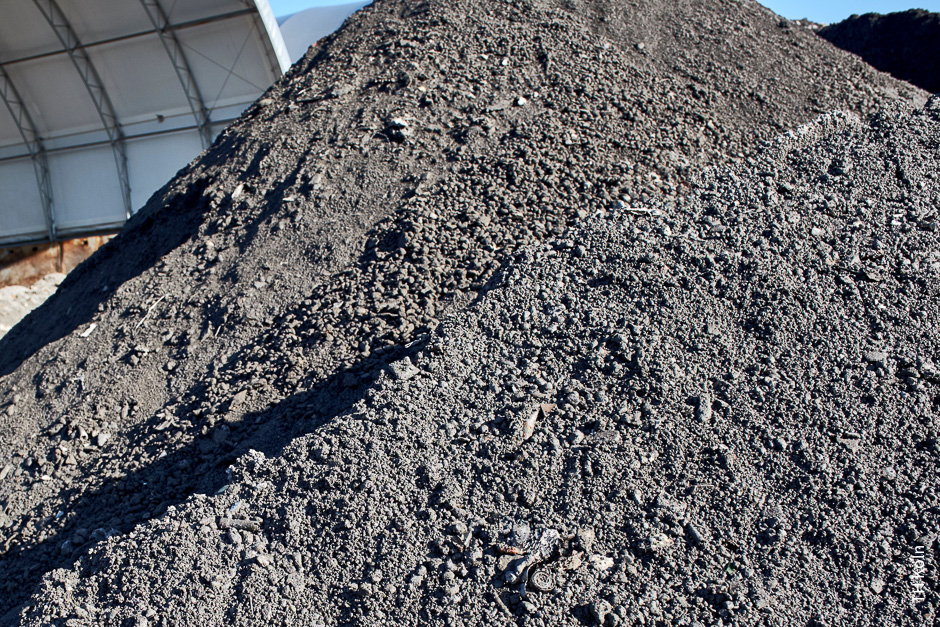
A new process transforms incinerator bottom ash into a valuable building material by permanently binding CO2. This offers a promising step for the circular economy and climate protection.
Key Takeaways
- A new process binds CO2 in incinerator bottom ash, turning it into a valuable building material for the circular economy.
- The project involves TH Köln and RWTH Aachen, aiming to develop a carbonation process for road construction and concrete production.
- Researchers will establish a test facility to compare two methods of CO2 binding: wet and moist carbonation, each with pros and cons.
- The goal is to replace energy-intensive raw materials like gravel and sand, contributing to climate protection.
- The Karma project received one million euros in funding and will run until mid-2028, aiming for consistent material quality.
An interdisciplinary consortium, with participation from the University of Cologne (TH Köln), Germany, is investigating a new process to permanently bind carbon dioxide in municipal solid waste incinerator bottom ash. The final product is intended for use as a substitute material in road construction. Alternatively, it can be used in concrete production.
Germany produces approximately six million tonnes of incinerator bottom ash annually. “The mineral components it contains are capable of absorbing and permanently binding CO2 – so-called carbonation. In our project, we want to develop a practical carbonation process and test whether our end product is suitable for use in road construction or concrete production,” said Björn Siebert, a scientist of TH Köln.
Two Approaches In A New Test Facility
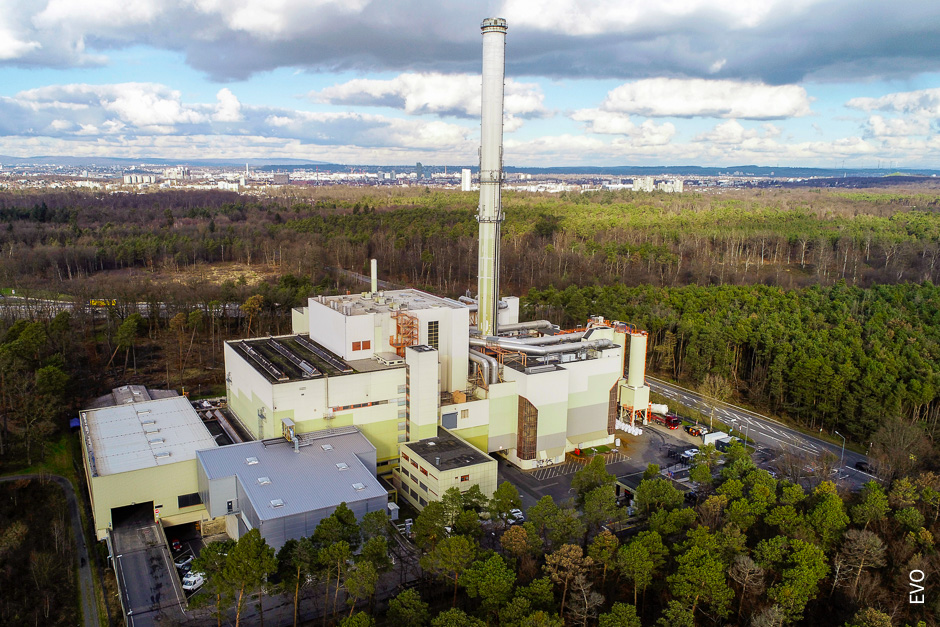
A technical test facility will be established by the scientific project partners, TH Köln and the University of Aachen (RWTH), at the Leppe disposal centre. The project is led by the Bergischer Abfallwirtschaftsverband (BAV), a shareholder of the plant operator Avea. The industrial partner Refer supplies the raw material.
The project investigates which method binds CO2 most efficiently. “We are pursuing two approaches, each with specific advantages and disadvantages: Wet carbonation under water allows for the absorption of more carbon dioxide but requires energy for subsequent drying. With moist carbonation, a relatively dense, carbonated layer forms on the surface of the ash, so less CO2 is stored,” said scientist Axel Wellendorf of TH Köln.
Substituting Energy-Intensive Raw Materials
The primary goal is to replace raw materials that are typically extracted using large amounts of energy. “In an unbound form, our carbonated ash could, for example, replace gravel or sand in road construction or earthworks,” said Siebert.
The researchers are also examining its potential for use in CO2-intensive concrete manufacturing, where the ash could act as a binder. A prerequisite for this is a defined, consistent material quality. “If we succeed in providing carbonated ash that meets the relevant standards and environmental requirements, this would be an important step for the circular economy and climate protection,” Wellendorf emphasises.
The project, known as Karma (Karbonatisierung von Müllverbrennungsaschen), was successful in the “CCU-Modellregionen NRW” funding competition. It will receive approximately one million euros until mid-2028.
Leave a Reply