

Alkmaar’s waste-to-energy plant has restarted Line 3 after a major upgrade. The project significantly cuts emissions and natural gas use, paving the way for future sustainability goals.
Key Takeaways
- Alkmaar Waste-to-Energy Plant Line 3 has restarted after a major upgrade, significantly reducing emissions and natural gas use.
- The deNOx project aims to cut natural gas consumption by 4 million m³ and CO₂ emissions by approximately 7,000 tons annually.
- Future improvements include optimising energy use and preparing for the conversion of line 1 starting in January, with major work planned for June 2026.
- The startup of line 3 faced operational challenges, but the deNOx system is now functioning well and insights gained will help future developments.
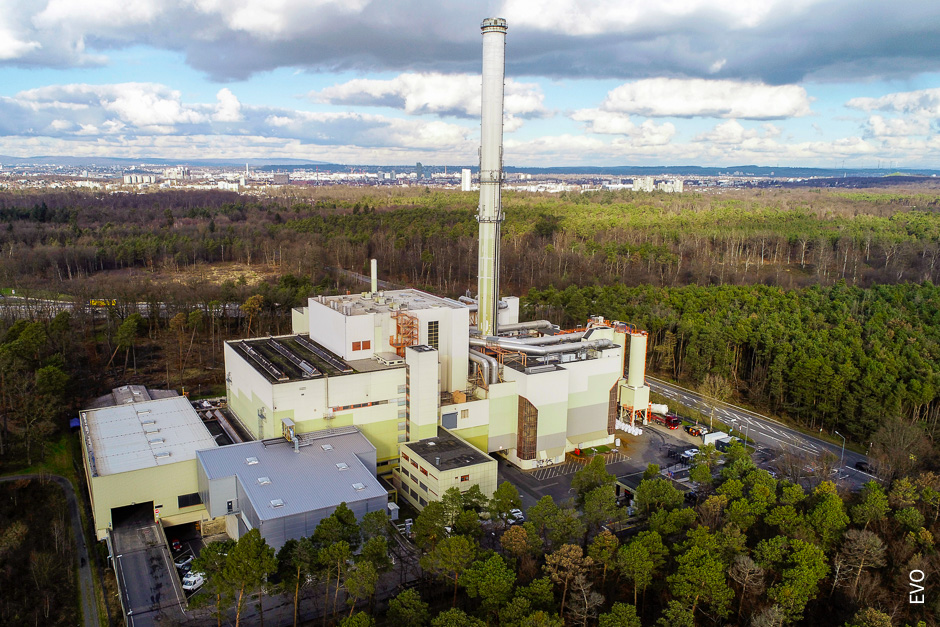
Line 3 of the waste-to-energy plant (AEC) in Alkmaar is operational again following the completion of the deNOx project. The final works were concluded last weekend, leading to the successful restart of the line, the Dutch operator HVC announced.
The project is a significant step in making waste processing more sustainable by reducing nitrogen oxides (NOx) and saving natural gas on lines 1, 2, and 3.
Project Yields and Future Targets
With the commissioning of line 3, the first major phase is complete. The overall project targets a reduction in natural gas consumption of 4 million m³ per year and a CO₂ reduction of approximately 7,000 tons annually.
Further benefits include more efficient energy use through the optimisation of heat exchangers. Preparations for the conversion of line 1 are set to begin in January, with the main work scheduled for June 2026.
Operational Challenges and Insights
The start-up of line 3 with the steam-fed deNOx system presented some operational challenges. Although the project experienced delays, the installation is now performing as expected.
The control and software processes were adapted to a new working method. The insights gained from this process, particularly in the area of quality assurance, will be directly applied to the development of the subsequent lines.


Leave a Reply