

Despite a rise in operating income, HVC’s profits fell in 2025. Find out why the company is sacrificing short-term gains for a greener tomorrow and how these investments are already paying off.
Key Takeaways
- HVC’s profits fell in 2025 despite a rise in operating income due to lower energy prices and ongoing sustainability investments.
- The company invested heavily in geothermal projects and district heating networks, impacting short-term results but supporting long-term CO₂ reduction goals.
- Sustainability initiatives improved renewable heat shares to 81.1% and reduced CO₂ emissions by up to 80% per unit of heat supplied.
- HVC expanded its workforce to 1,418 while maintaining stable employee satisfaction at 7.6 and high customer satisfaction at 8.1.
- Despite a decline in earnings, HVC’s financial foundation remains solid with increased guarantee capital and raising liabilities for investments.
The Dutch plant operator HVC has announced a decline in profits for the 2025 financial year, despite an increase in operating income. According to its annual report, operating income rose to €593 million from €569 million in 2024. However, the operating result fell to €28 million from €42 million, and the consolidated result decreased to €20 million from €25 million.
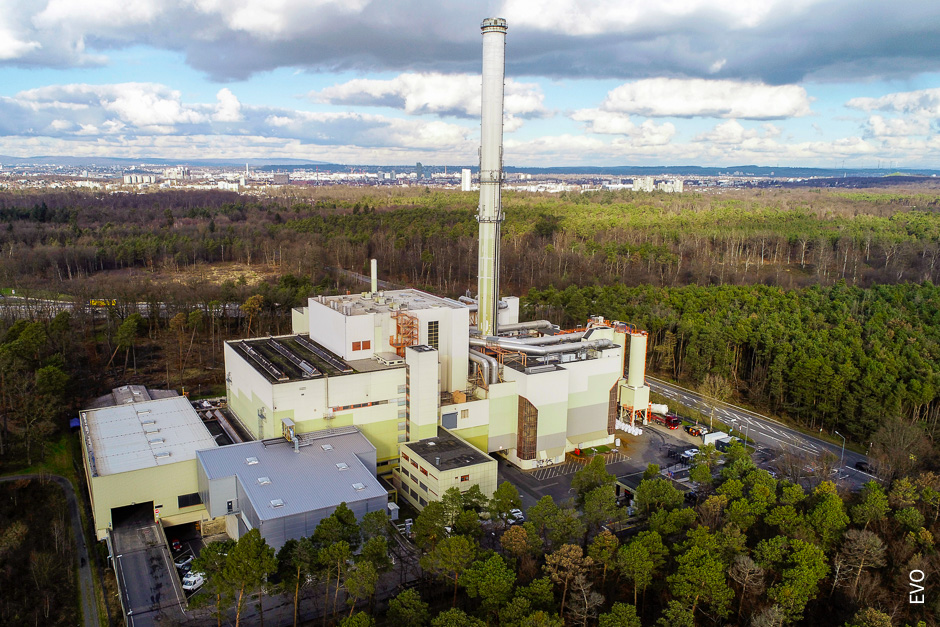
The Dutch company attributes this performance to a combination of lower energy prices, which squeezed margins, and a significant, ongoing investment programme in sustainability. The results were also affected by costs related to insurance claims, including a fire at a hospital waste incinerator and a power outage in Alkmaar.
Strategic investments impact short-term results
In 2025, HVC directed substantial capital towards sustainable assets, including geothermal projects, the expansion of district heating networks, and a new DeNox facility. These initiatives are central to the company’s long-term strategy for CO₂ reduction.
While these investments increased total assets to €1,309 million, they also led to higher short-term depreciation and interest expenses. A total of €120.4 million was invested in district heating networks alone.
Sustainability and safety metrics improve
The strategic focus on sustainability has delivered positive environmental outcomes. In certain networks, the share of renewable heat reached 81.1 per cent, leading to a CO₂ emission reduction of up to 80 per cent per unit of heat supplied.
Operational safety also saw improvement, with the number of fire incidents across all sites decreasing to 58 from 65 in the previous year. Specifically, fires in Waste-to-Energy plants fell to 23 from 26.
Workforce expands amid stable satisfaction
To manage its growth and sustainability projects, hvc expanded its workforce to 1,418 full-time equivalents, an increase from 1,329 in 2024. Employee satisfaction remained stable with a score of 7.6, while sick leave rates saw a slight reduction to 5.7 per cent.
Customer satisfaction among heat customers remained high at 8.1, although this marked a slight decrease from the 8.2 recorded in 2024.
Financial foundation remains solid
Despite the reduction in earnings, HVC’s financial base is described as stable. The company increased its guarantee capital to €281 million from €261 million in the prior year. To finance its investment programme, liabilities to credit institutions rose to €842 million.

Leave a Reply