

MVV’s new plant in Mannheim turns waste into a valuable asset. By recovering phosphorus from sewage sludge, the facility tackles resource scarcity and pioneers a new form of ‘urban mining’.
Key Takeaways
- MVV Mannheim Phosphorus plant recycles phosphorus from sewage sludge, addressing resource scarcity and promoting urban mining.
- The facility can process up to 135,000 tonnes of sewage sludge annually and achieves a phosphorus recovery rate of up to 90%.
- Support from the state of Baden-Württemberg and EU funding, totalling €6.4 million, aids the project’s development.
- The plant utilises flue gas from waste boilers to heat rotary kilns while generating renewable energy for district heating.
- MVV’s CEO emphasises the need for clear regulations to ensure the economic viability of phosphorus recycling plants.
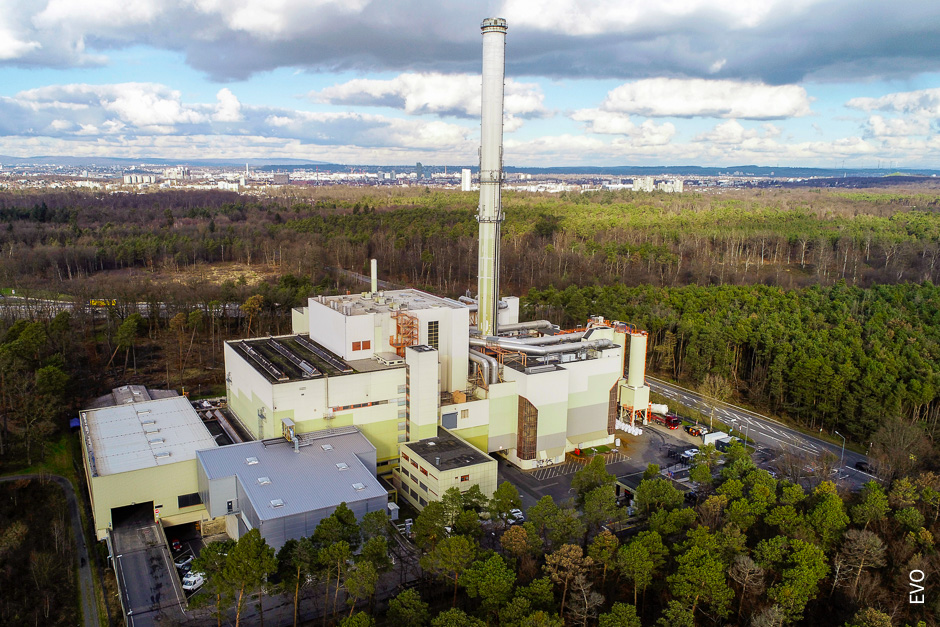
The energy supplier MVV has officially commissioned its phosphorus recycling plant on the Friesenheimer Insel in Mannheim. The facility is integrated into the existing thermal waste treatment plant (TAB) operated by its subsidiary, MVV Umwelt. The process combines sewage sludge disposal with resource and climate protection.
Phosphorus is essential for agriculture and food production and is increasingly used in batteries and the chemical industry. While global reserves are diminishing, a significant amount of this raw material is contained in municipal sewage sludge in Germany. This sludge is almost entirely incinerated due to the pollutants it contains, resulting in the loss of the phosphorus.
A New Approach To Resource Recovery
MVV’s CEO Gabriël Clemens stated that the commissioning demonstrates the importance of phosphorus recycling for the circular economy. Furthermore, he called for clear and reliable framework conditions, such as the timely implementation of the Sewage Sludge Ordinance. He said this would ensure the economic viability of such plants and stimulate the necessary investments and technological development.
The MVV Phosphorus Recycling Plant is designed to process up to 135,000 tonnes of sewage sludge annually. The permitted capacity extends to 180,000 tonnes per year. The facility achieves a phosphorus recovery rate of up to 90 per cent of the phosphorus contained in the sewage sludge. Additionally, funding for the project includes €6.4 million provided by the state of Baden-Württemberg and the European Regional Development Fund (ERDF).
Christian Specht, Lord Mayor of the City of Mannheim, said the new plant is an example of how transformation can be achieved through the cooperation of municipal enterprises. In addition, he described the process as “urban mining,” where climate-neutral energy and then valuable phosphorus are extracted from wastewater. The process heat required is generated by the incineration of waste. The resulting waste heat is used as district heating.
State And EU Support
The state of Baden-Württemberg is supporting the development of an infrastructure for phosphorus recovery. The MVV plant received approximately €6.4 million in funding from the state and the European Union.
Andre Baumann, State Secretary in the Baden-Württemberg Ministry of the Environment, underlined the significance of the project. He stated that by consistently keeping phosphorus in the loop, the region is taking its raw material supply into its own hands. It is also reducing its dependence on global supply chains.
Technology and Regional Integration
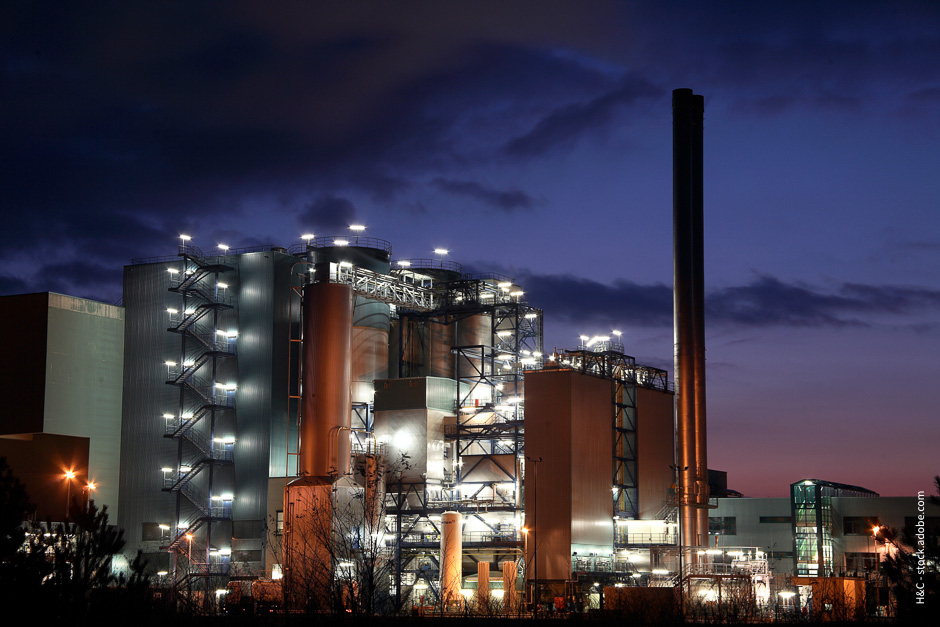
The new facility uses flue gas at temperatures of up to 1,000 degrees Celsius from the TAB’s waste boilers to heat its rotary kilns. In a closed process, the resulting combustion gases are recirculated. Pollutants are safely separated, and the phosphorus in the sewage sludge is recovered.
MVV’s CTO Hansjörg Roll explained that the plant is the first commercial facility of its kind in Germany to recover phosphorus directly from sewage sludge. He added that it simultaneously generates renewable energy for electricity and district heating. This is done without the need for complex downstream processes.

Leave a Reply