
Waste heat from sewage sludge treatment now warms Stavenhagen’s homes. How one town turned a disposal problem into district heating.
Key Takeaways
- EEW, Stavenhagen and WVS have officially commissioned a district heating extraction system.
- Waste heat from sewage sludge treatment now flows into Stavenhagen’s heating network.
- As sludge is largely biogenic, this enables a climate-friendly heat supply for homes and public buildings.
- The project links circular economy with municipal heat supply, helping replace fossil fuels.
- WVS plans to expand the network further, supplying more buildings with climate-friendly heat.
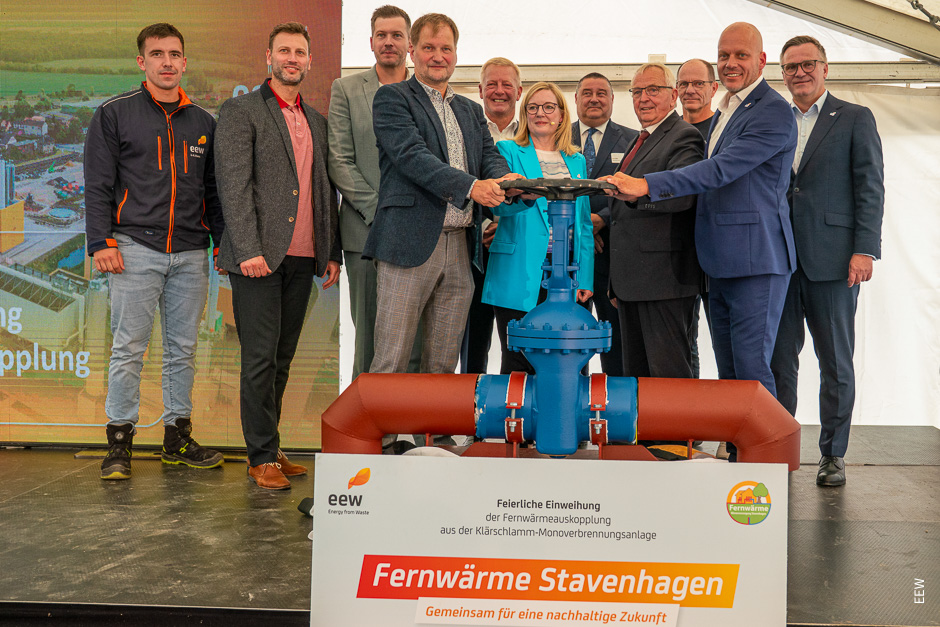
Plant operator EEW, the town of Stavenhagen and Wärmeversorgung Stavenhagen GmbH (WVS) have officially commissioned a district heating extraction system.
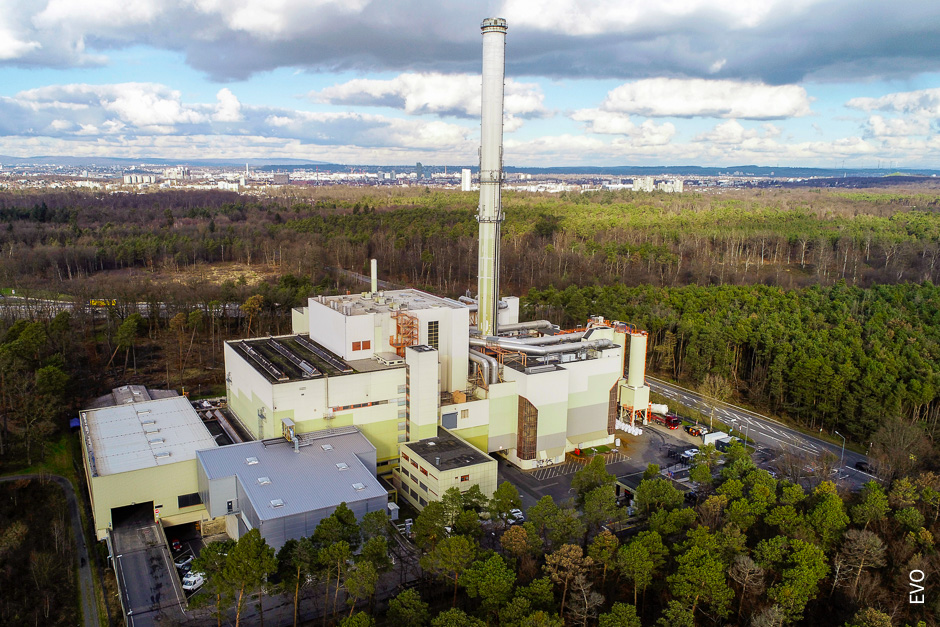
Waste heat from the thermal treatment of sewage sludge now flows into the town’s heating network. Sewage sludge is almost entirely biogenic. Therefore, the heat energy generated from it enables a climate-friendly supply to households and public buildings.
Representatives from politics, municipal companies and project partners attended the commissioning. Among them were Mecklenburg-Vorpommern’s Environment Minister Till Backhaus, Klaus Rißer, President of Stavenhagen Town Council, Steffen Oriwol, Managing Director of Wärmeversorgung Stavenhagen GmbH, and Stefan Schmidt, Chief Financial Officer of the EEW Group.
“In Stavenhagen, we are showing how a circular economy and municipal heat supply can be intelligently combined. A disposal process is generating real added value for the region and its people,” said Stefan Schmidt, Chief Financial Officer of the EEW Group.
Sustainable Heat Supply For The Region
“The project combines a modern circular economy with municipal heat supply and is an important building block for the region’s heat transition,” said Benjamin Scharfetter, Technical Managing Director of EEW Stavenhagen.
“By efficiently using waste heat from the thermal treatment of sewage sludge, EEW, together with the municipal heat supplier, is tapping existing energy potential and helping to replace fossil fuels,” added Birgit Fröhlig, Commercial Managing Director of EEW Stavenhagen.
Till Backhaus, Mecklenburg-Vorpommern’s Minister for Climate Protection, Agriculture, Rural Areas and Environment, also stressed the project’s importance for supplying heat from residual materials across the state. He said acceptance of renewable energy works best where existing resources are used intelligently. People experience a direct benefit as well. Moreover, he described Stavenhagen as a convincing example. Sewage sludge from households and businesses, he explained, becomes both a raw material source for future phosphorus recycling and an energy source for the town’s heat supply. This turns waste that must be disposed of and treated into new raw materials, energy and a direct benefit for residents.
“I am very pleased that many local residents have since recognised that building the plant was the right decision,” Backhaus added.
Partnership As A Success Factor
“For Stavenhagen, this project is an important step towards a sustainable and independent heat supply. At the same time, we are strengthening the town and creating stable long-term prospects for our residents,” said Mayor Stefan Guzu.
Steffen Oriwol, Managing Director of Wärmeversorgung Stavenhagen GmbH, added that building the new district heating infrastructure had been a demanding project. It was made possible only through close cooperation between everyone involved. He said WVS was pleased to now supply customers with climate-friendly heat. Additionally, the company was already planning to expand its district heating network in Stavenhagen. The aim is to supply further buildings with climate-friendly heat in future.
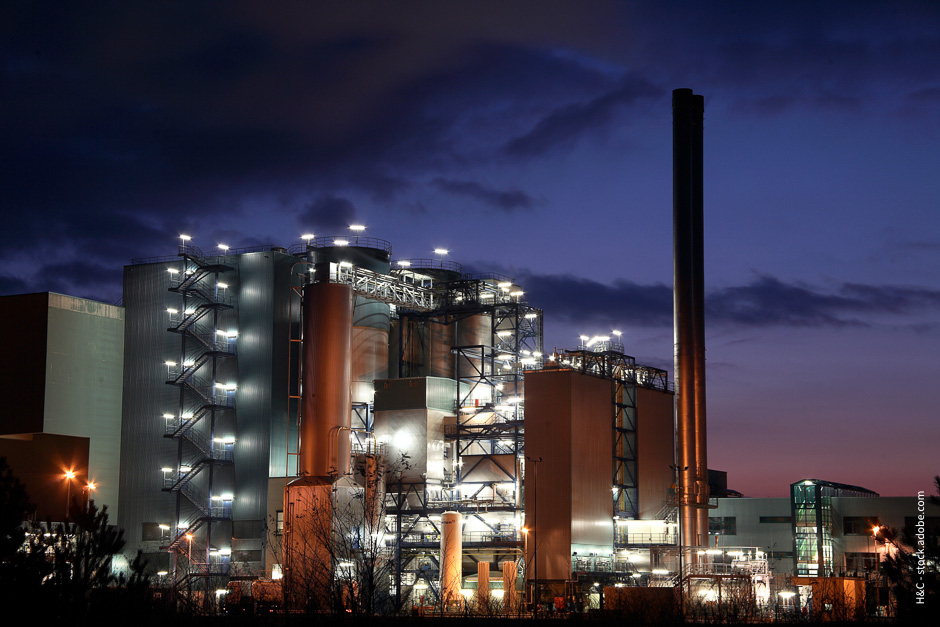
In recent months, the project reached several technical milestones. Two heat condensers were installed. The pump house was electrically connected. Furthermore, the pipeline connections and automation technology were fully integrated. Technical commissioning allowed the plant to be transitioned step by step from construction into routine operation.

Leave a Reply