

With hazardous waste up 30 per cent and landfilling soaring, Europe is investing heavily in incineration. Explore the continent’s urgent response to a growing environmental challenge.
Key Takeaways
- Hazardous waste in the EU has surged by over 30 per cent, reaching nearly 120 million tonnes, prompting increased investment in hazardous waste incineration.
- Currently, about 90 special waste incineration plants operate in Europe, with a capacity exceeding four million tonnes annually.
- Landfilling of hazardous waste has risen by 70 per cent, contrary to EU waste policy goals.
- Countries like Germany and France possess high thermal treatment capacities, while others lack special incineration plants and resort to exporting waste.
- Modernisation of existing facilities is crucial, as most plants are over 30 years old, despite the current demand for disposal capacity.
The volume of hazardous waste in the European Union has increased by more than 30 percent over the past decade, reaching almost 120 million tonnes. This significant rise presents major challenges for the European disposal industry and has led to continued investment in special waste incineration, according to a recent market study by ecoprog. Projects with a capacity of around 400,000 tonnes per year are currently under construction or in the planning phase.
Contrary to the European Union’s waste policy objective of reducing landfill, the disposal of hazardous waste in landfills has increased by 70 percent over the same ten-year period.
Growing Role of Thermal Treatment
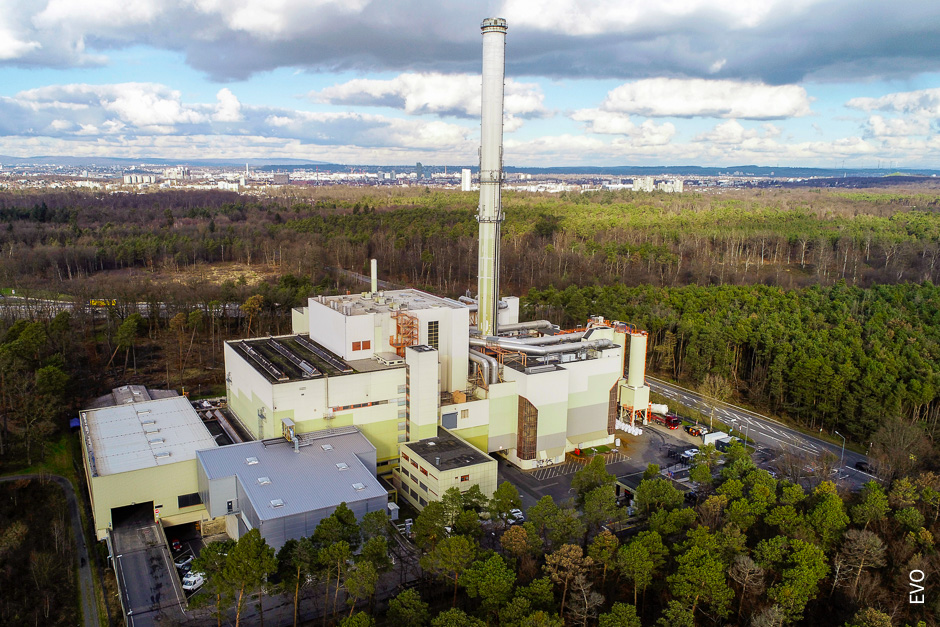
As a result, thermal recovery is playing an increasingly important role in the disposal of hazardous waste. There are currently more than 90 special waste incineration plants in Europe with a total capacity of over four million tonnes per year. In addition, more than 100 other industrial and medical waste disposal plants burn or thermally treat almost exclusively hazardous waste.
Co-incineration of hazardous waste also takes place in other types of facilities, such as cement plants, municipal solid waste incinerators, and waste wood power plants.
Modernisation and New Construction
However, the capacity for the thermal treatment of hazardous waste is very unevenly distributed. While countries such as Germany and France have very high capacities, other EU member states have no special waste incineration plants at all. This has resulted in the export of over 1.6 million tonnes of hazardous waste for disposal abroad in 2022.
To reduce their dependence on waste exports, some countries are planning to expand their special waste incineration capacity. At the same time, there is a need for modernisation in many existing markets, as the current stock of plants is old. In eleven countries, the average age is over 30 years.
While the long-term effects of the current crises in the chemical and automotive supply industries are still unclear, the long-term need for disposal capacity remains, even though the pressure on volumes has eased in the short term.
Leave a Reply