
Attero’s new green gas facility in Tilburg is now supplying the grid. This modernisation is a key part of its strategy to significantly boost renewable energy production and cut CO2 emissions.

Key Takeaways
- Attero Plant Tilburg now supplies green gas to the grid, enhancing renewable energy production and reducing CO2 emissions.
- The facility produces about 7 million cubic metres of biogas annually from organic waste and residual streams, converting it to green gas.
- The new plant replaces an older facility and can deliver over one thousand cubic metres of green gas per hour, increasing efficiency.
- Attero aims to quintuple its green gas production to lessen dependence on fossil natural gas and lower CO2 emissions.
- The next phase will focus on liquefying bio-CO2 for sale in sectors like greenhouse horticulture.
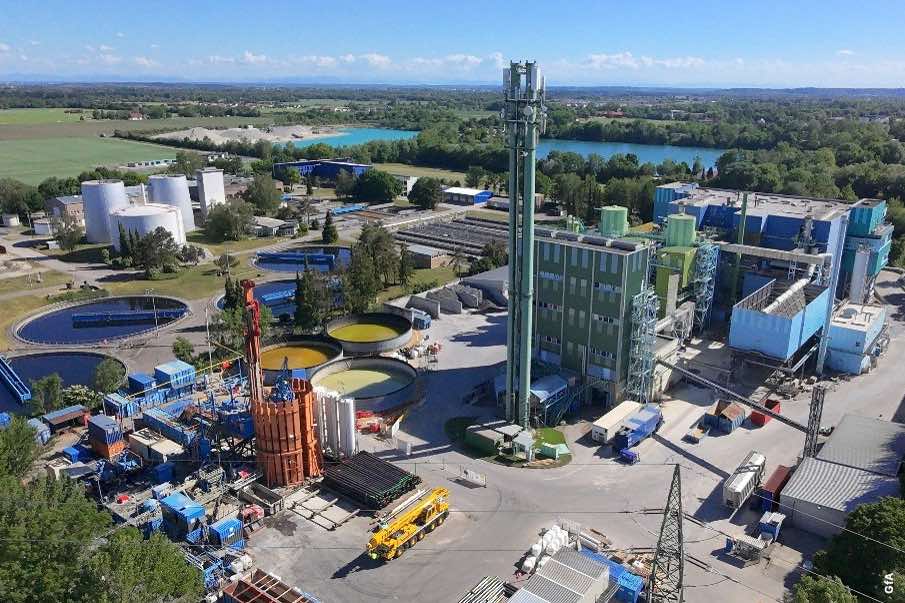
Attero has commissioned a new green gas installation at its location in Tilburg. The company produces approximately 7 million cubic metres of biogas annually from the digestion of vegetable, fruit, and garden waste, as well as residual streams from supermarkets. This biogas, combined with gas from Attero’s ‘de Spinder’ landfill, is upgraded to green gas.
The green gas is supplied to the gas network of Enexis, allowing households to use it for cooking or heating. The new installation started delivering green gas on 18 December, following a successful 24-hour quality test monitored by the network operator Enexis.
Modernisation And Increased Capacity
The previous gas plant, which had been in operation since 1987, was replaced due to its age and the availability of more efficient gas upgrading technologies. The new installation has a capacity to deliver over one thousand cubic metres of green gas per hour to the grid.
Paul Ganzeboom, CEO of Attero, stated, “Attero invests in more recycling, more renewable energy production and CO2 reduction. It is Attero’s ambition to increase its green gas production fivefold so that the Netherlands becomes less dependent on imported, fossil natural gas and CO2 emissions are reduced.”
In the upcoming year, the second phase of the project will commence. This phase involves the liquefaction of the bio-CO2 that remains after the production of green gas. This liquid bio-CO2 can then be sold as a product to sectors such as greenhouse horticulture to stimulate cultivation.

Leave a Reply