
How could waste-to-energy shape the EU’s Circular Economy Act, from landfill diversion to carbon capture and green finance rules?

Key Takeaways
- The Circular Economy Act aims to enhance resource security and sustainability in the EU, with waste-to-energy playing a key role in this initiative.
- Waste-to-energy converts non-recyclable waste into renewable energy and secondary materials, supporting climate-friendly practices and reducing landfill methane emissions.
- Eswet stresses the importance of maintaining waste-to-energy’s recovery status in EU law to avoid undermining circular economy progress.
- Future carbon capture technologies could transition waste-to-energy operations from carbon-neutral to carbon-negative, thus closing the carbon loop.
- Eswet calls for waste-to-energy recognition under the EU Taxonomy to secure green investments, promoting climate mitigation and resource recovery efforts.
The European Suppliers of Waste-to-Energy Technology (Eswet) has submitted its position on the European Commission’s planned Circular Economy Act. The association represents companies that have built and supplied over 95 per cent of waste-to-energy plants operating across Europe.
Eswet welcomes the Circular Economy Act as an opportunity to strengthen Europe’s resource security, industrial competitiveness, and environmental sustainability. The organisation emphasises that reducing the EU’s dependence on imported raw materials and fossil energy requires recognising recovery solutions that keep resources and energy circulating within the European economy.
Essential Public Service Function
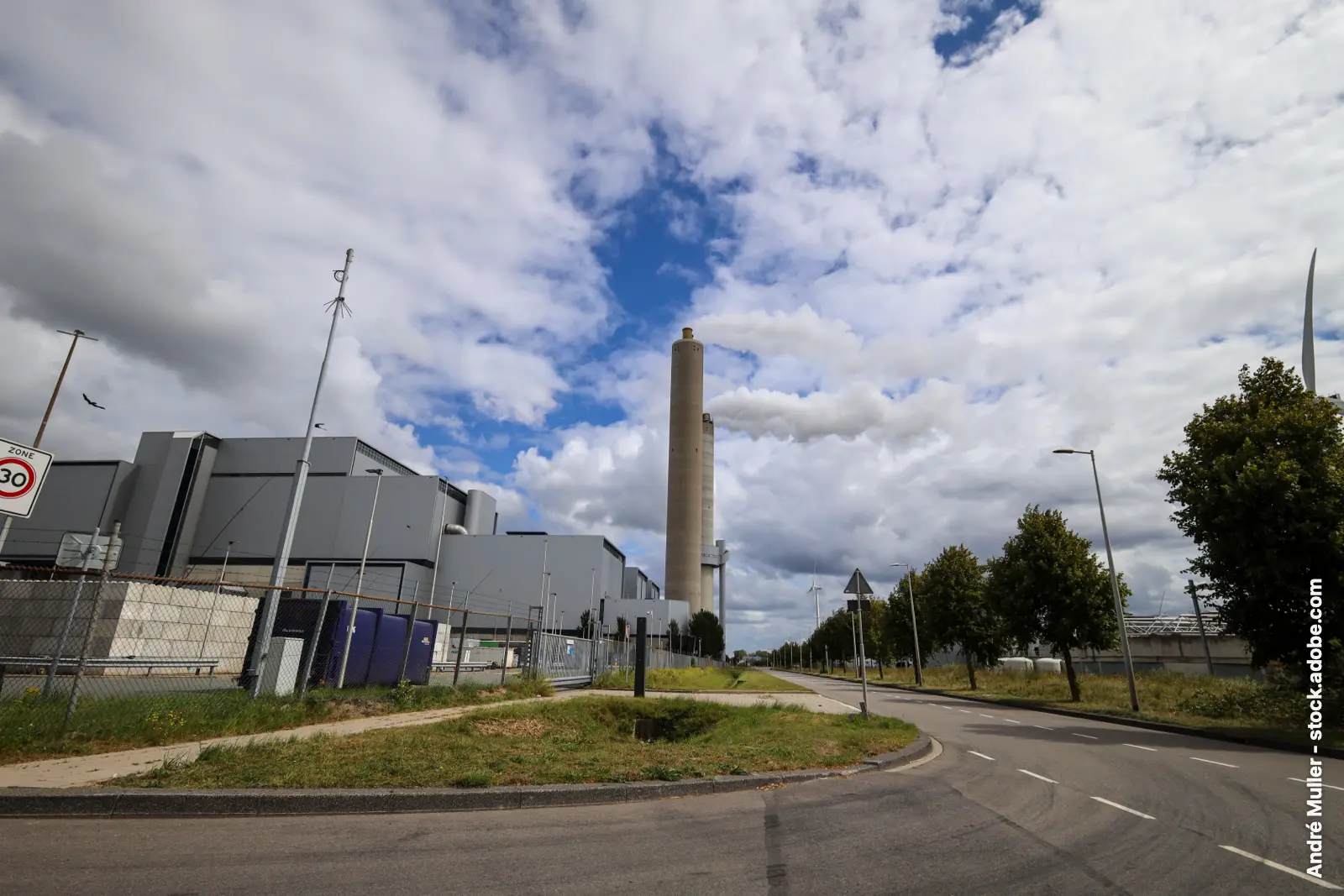
Waste-to-energy serves as a cornerstone of Europe’s circular economy by providing safe, hygienic, and climate-responsible treatment of residual, non-recyclable waste, according to the association’s statement. The technology converts this waste into renewable energy and secondary raw materials, ensuring no resource is lost while protecting citizens and the environment from pollution.
European waste-to-energy plants generate electricity and heat equivalent to the needs of more than 35 million citizens. These facilities also recover metals and minerals from bottom and fly ash, contributing directly to Europe’s resource security.
Climate Benefits Through Landfill Diversion
By diverting waste from landfills, waste-to-energy prevents the release of methane, which is over 80 times more potent than carbon dioxide. This makes it one of the most effective near-term measures to cut greenhouse gas emissions in the waste sector, according to Eswet’s statement.
Operating under the Industrial Emissions Directive’s strictest environmental standards, waste-to-energy prevents the spread of pollutants such as PFAS and other persistent substances, providing a controlled and traceable end-of-life solution.
Maintaining Recovery Status Critical
Eswet argues that preserving waste-to-energy’s recovery status within EU law is essential. The association warns that downgrading it or conflating it with disposal operations would undermine decades of investment, weaken circular progress, and risk a return to landfilling.
Maintaining waste-to-energy’s position above disposal in the waste hierarchy guarantees legal clarity, policy coherence, and environmental integrity, ensuring Europe continues to manage its residual waste responsibly within its borders.
Future Carbon Capture Potential
Looking ahead, Carbon Capture, Utilisation and Storage technologies will enable waste-to-energy to move from carbon-neutral to carbon-negative operations. By capturing the biogenic share of carbon dioxide emissions and supplying captured carbon as feedstock for fuels, chemicals, and construction materials, waste-to-energy can help close the carbon loop.
EU Taxonomy Recognition Needed
Eswet calls for recognition of waste-to-energy under the EU Taxonomy for sustainable activities to ensure consistency between EU financial, waste, and climate frameworks. Despite legal recognition in the Waste Framework, Landfill, and Renewable Energy Directives, waste-to-energy remains excluded from the Taxonomy.
This gap restricts access to green investment for a sector that supports circularity, energy recovery, and pollution prevention. Including waste-to-energy as a Taxonomy-eligible activity would strengthen the EU’s ability to achieve landfill diversion, climate mitigation, and resource recovery objectives.
The inclusion would also enable investments in plant modernisation and decarbonisation through carbon capture technologies, providing the policy coherence needed to deliver a climate-neutral, circular European economy.
Read More
Ask WtE Monitor
Answers come only from WtE Monitor articles and plant data, with sources. Ask in any language.
Your question is processed by Anthropic to generate the answer. Please do not enter personal data. Privacy policy
3 questions a month with a free subscription, unlimited with WtE Monitor+. Subscribe free · Get WtE Monitor+

Leave a Reply