
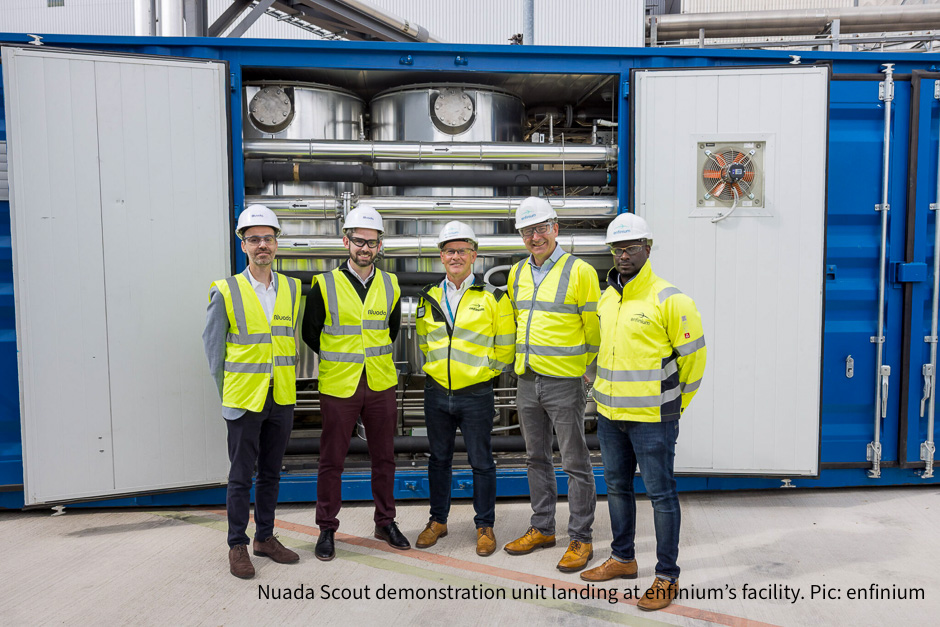
Nuada’s cutting-edge carbon capture technology begins trial at enfinium’s Ferrybridge EfW plant, marking a key step towards decarbonising the UK waste sector.
Key Takeaways
- Nuada has started trials of its carbon capture technology at Enfinium’s Ferrybridge Waste-to-Energy Plant, a key milestone for decarbonising the UK waste sector.
- The pilot employs metal-organic framework technology to efficiently capture CO2 from waste, marking a significant development in carbon capture methods.
- Enfinium aims to implement carbon capture across its six UK facilities, enhancing its commitment to reducing emissions in waste management.
- The EfW sector could contribute up to 8 million tonnes of carbon removals annually by 2050, emphasising the need for CCS technologies.
- This collaboration between Nuada and Enfinium highlights the potential for effective carbon capture in transforming waste energy operations and supporting climate goals.
On 4 September 2025, Nuada’s next-generation carbon capture solution commenced operation at enfinium’s Ferrybridge-1 energy from waste (EfW) facility in West Yorkshire. This pilot plant marks the beginning of a collaboration between Nuada, a UK-based innovator in carbon capture technology, and the EfW operator Enfinium. The demonstration project is scheduled to run for a minimum of six months, aiming to validate the technology’s performance in an industrial EfW environment for the first time.
For Enfinium, the trial constitutes a significant milestone in its strategy to implement carbon capture across its portfolio of six UK facilities. This initiative reinforces enfinium’s commitment to decarbonising the waste sector and positions the company as a frontrunner in integrating carbon capture and storage (CCS) technologies within EfW operations.
Innovative Approach Using Metal-Organic Framework Technology
The pilot plant employs metal-organic framework (MOF) technology to capture carbon dioxide from point sources via a vacuum swing adsorption process. This approach offers the potential for considerable efficiencies in energy use and operational costs when scaled commercially. MOF materials are known for their high surface area and selective adsorption properties, which can enhance the capture of CO2 compared to conventional methods.
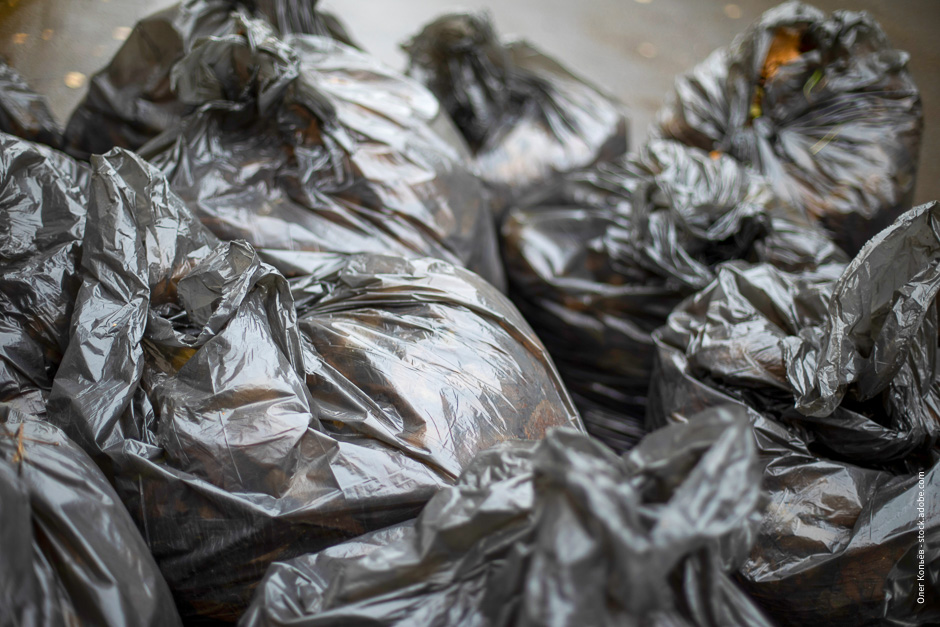
Approximately 50 per cent of unrecyclable waste consists of biogenic content, including organic materials such as food waste, plants, and paper. These materials have previously absorbed CO2 from the atmosphere during their lifecycle. By integrating CCS technology at an EfW facility, the CO2 generated from the thermal treatment of this biogenic waste can be permanently captured and stored, thereby achieving net carbon removal from the atmosphere.
The Role of Energy from Waste in Carbon Removal
Recent studies conducted by the Climate Change Committee and The Oxford Institute for Energy Studies estimate that the EfW sector could contribute between 5 and 8 million tonnes of carbon removals annually by 2050. This potential highlights the strategic importance of deploying CCS technologies within the sector to meet national net zero targets.
Simon Forshaw, Vice President of Engineering and Construction at Enfinium, emphasised the critical role of scaling waste-to-energy carbon capture. He stated that deploying such technologies is essential for decarbonising the UK’s unrecyclable waste stream and generating the carbon removals necessary to achieve net zero emissions.
Advancing Carbon Capture Deployment Across EfW Facilities
Nuada’s technology promises substantial energy and cost savings in the carbon capture process. The pilot at Ferrybridge enables Enfinium to gather operational data and insights to inform the wider deployment of carbon capture across its entire fleet. This step is integral to the company’s broader decarbonisation strategy and commitment to environmental responsibility.
Dr Conor Hamill, Co-CEO of Nuada, highlighted the significance of the partnership with enfinium. He noted that the trial provides an opportunity to demonstrate the effectiveness of their innovative carbon capture technology within the EfW sector. Furthermore, he expressed optimism that such carbon capture, utilisation and storage (CCUS) innovations can unlock value from existing waste stream CO2 efficiently, supporting Enfinium’s CCUS objectives.
This collaboration between Nuada and enfinium exemplifies the evolving role of carbon capture technologies in transforming the energy from waste sector, contributing to the UK’s climate goals while enhancing operational efficiencies.

Leave a Reply