

Danpower’s acquisition of the Rostock waste-to-energy plant could reshape regional heat supply. Explore how this move may influence market dynamics and future energy solutions.
Key Takeaways
- Danpower is set to acquire the Rostock waste-to-energy plant, enhancing regional heat supply.
- The facility produces heat and electricity, with significant potential for district heating applications.
- CEO Aurélie Alemany emphasises the company’s commitment to innovative energy solutions.
- Danpower will retain all 54 employees at the Rostock site, ensuring job security.
- This acquisition reinforces Danpower’s position in the market for regional district heating networks.
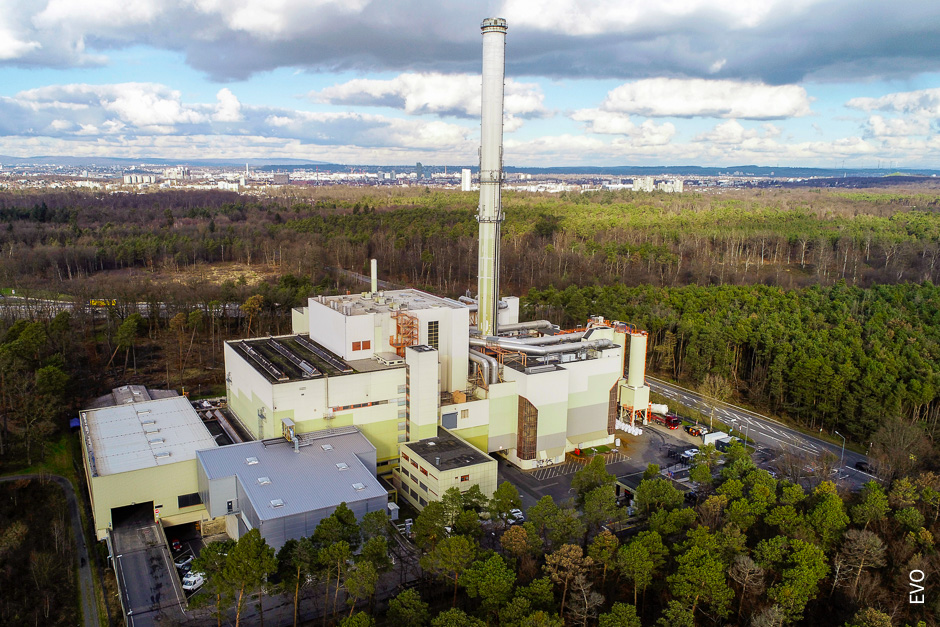
Hanover’s energy supplier Enercity, via its wholly owned subsidiary Danpower, is preparing to acquire the largest waste-to-energy facility in Mecklenburg-Western Pomerania. The Rostock plant, currently owned by Vattenfall Europe New Energy GmbH, is expected to transfer to Danpower, based in Potsdam, within this year. The facility produces both heat and electricity, offering significant potential for further district heating applications in the region.
Aurélie Alemany, CEO of enercity AG, emphasises the company’s commitment to driving the energy and heat transition with an open approach to technology. She states, “As frontrunners, we advance the energy and heat transition with innovative projects, ranging from geothermal solutions to consistent utilisation of climate-friendly waste heat potentials. Following projects in Hannover, Hamburg and Bremen, we are pleased to launch the next major initiative for the heat transition in Rostock.”
The unavoidable waste heat generated by the facility is harnessed for climate-friendly electricity and, above all, heat supply in the region. In operation since 2010, the Rostock waste-to-energy plant features an installed electrical capacity of approximately 18 megawatts and a thermal capacity of 86 megawatts. Each year, around 175,000 tonnes of waste are thermally treated, enabling the production of roughly 70 gigawatt hours of electricity and up to 160 gigawatt hours of process steam. Electricity is fed into the Rostock port grid, and there are plans for a new connection to integrate heat into the city’s district heating network.
Danpower will retain all 54 employees at the Rostock site, ensuring job security and preserving local expertise. The transaction is subject to approval by relevant committees and the German Federal Cartel Office. Completion is scheduled for 2025.
Strengthening Regional District Heating Networks
Sven Schmieder, Managing Director of Danpower, highlights the strategic importance of this acquisition: “By acquiring the facility in Rostock, we strengthen our position as a significant player in the market for regional district heating networks.” Danpower already operates three waste-to-energy plants in Saxony-Anhalt, Saxony and Brandenburg.
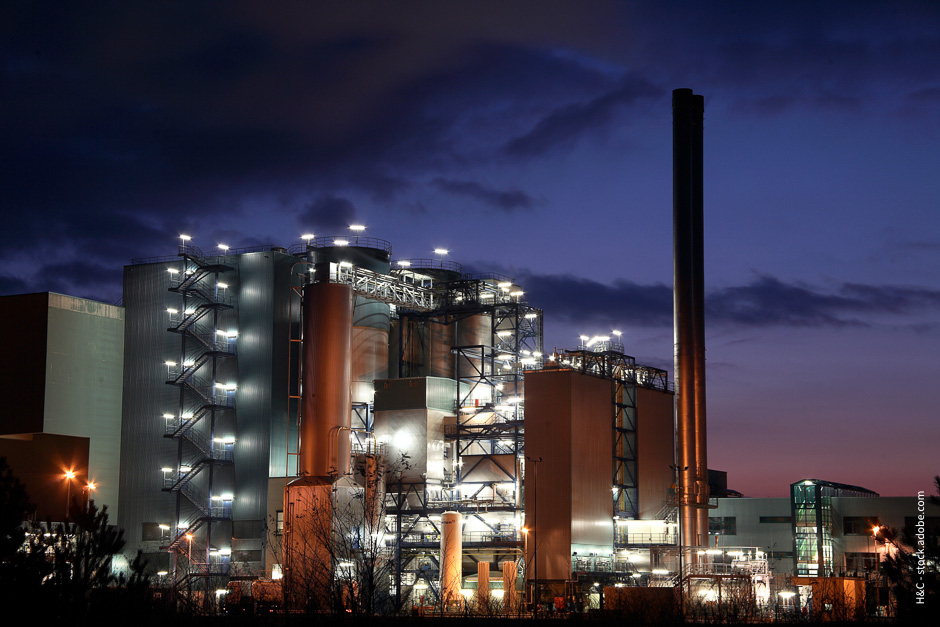
Danpower currently operates three waste-to-energy facilities, including a thermal treatment plant in Bitterfeld. According to company information, this site processes up to 140,000 tonnes of commercial and municipal waste annually. The facility offers an electrical output of approximately 10 megawatts and enables the extraction of 15 megawatts for steam and district heating supply. Electricity generated on site is fed into the local grid and marketed via the power exchange. The produced heat is utilised by local companies through the steam network in the chemical park and is additionally supplied to the network of Danpower’s subsidiary, Bitterfelder Fernwärme GmbH, via a dedicated district heating pipeline.
Enercity had already acquired Steag’s WtE plants at the beginning of the year
Earlier this year, Danpower acquired the waste treatment plants in Lauta and Rüdersdorf from the Steag Iqony Group. Together, these facilities provide a combustion capacity of around 500,000 tonnes per year. The Rüdersdorf plant features a single line with a throughput of approximately 30 tonnes per hour, processing up to 270,000 tonnes of waste annually and generating 120 tonnes of steam per hour at 90 bar and 400 °C, with a turbine output of 35 megawatts.
The Lauta facility operates two incineration lines, each with a throughput of 16.5 tonnes per hour and an annual capacity of 225,000 tonnes. Steam is produced using two vertical natural circulation boilers, each delivering 45 tonnes per hour at 40 bar and 400 °C. Energy conversion is achieved through an extraction-condensing turbine rated at 20 megawatts and a generator with 25 MVA, enabling daily electricity production of 400 megawatt hours.
Across Germany, approximately 26 million tonnes of waste are treated annually. Following the acquisition of the Rostock facility, Danpower will possess an annual combustion capacity of around 810,000 tonnes, representing a market share of just over three percent.

Leave a Reply