
Dutch waste firms face another year of rising costs in 2027. A higher CO₂ levy on incinerators is only part of the picture – and the industry association is now seeking talks with The Hague.

Key Takeaways
- Dutch waste firms face higher costs for treatment, transport and personnel in 2027.
- The Tax Plan 2027, adopted by the lower house, raises the CO₂ levy on incinerators.
- Collection costs rise on fuel, wages and the truck levy in force since 1 July 2026.
- Zero-emission fleets and charging infrastructure demand further investment.
- Vereniging Afvalbedrijven seeks constructive talks with central government.
Waste and recycling companies in the Netherlands will face higher costs for treatment, transport and personnel in 2027. This was stated by the Dutch waste industry association Vereniging Afvalbedrijven this week.
At the same time, the waste and recycling sector continues to invest in cleaner transport, sustainable installations and recycling. According to the association, the accumulation of costs is putting pressure on business operations and on the scope for those investments.
Higher CO₂ Levy for Waste Incineration Plants
The Dutch House of Representatives (Tweede Kamer) has adopted the 2027 Tax Plan (Belastingplan 2027). It includes a higher CO₂ levy for waste incineration plants.
This makes waste treatment in the Netherlands more expensive, the association says. The measure also has consequences for municipalities and businesses.
Collection and Transport Costs Rise Across the Chain
The collection and transport of waste has also become more expensive. The association attributes this to higher fuel and personnel costs and to the introduction of the truck levy (vrachtwagenheffing) on 1 July 2026.
Meanwhile, the switch to zero-emission vehicles requires investment in the vehicle fleet and in charging infrastructure.
Association Seeks Talks With Central Government
Vereniging Afvalbedrijven wants to remain in constructive dialogue with the Dutch central government. The aim is to find solutions that improve the affordability and further sustainability of waste management and the transition to a circular economy, rather than putting them under pressure.
What WtE Monitor Has Reported So Far
The lower house passed the Tax Plan on 12 November 2026 by 76 votes to 74, without amending the waste levies, as WtE Monitor reported. At that point, the Senate had yet to vote.
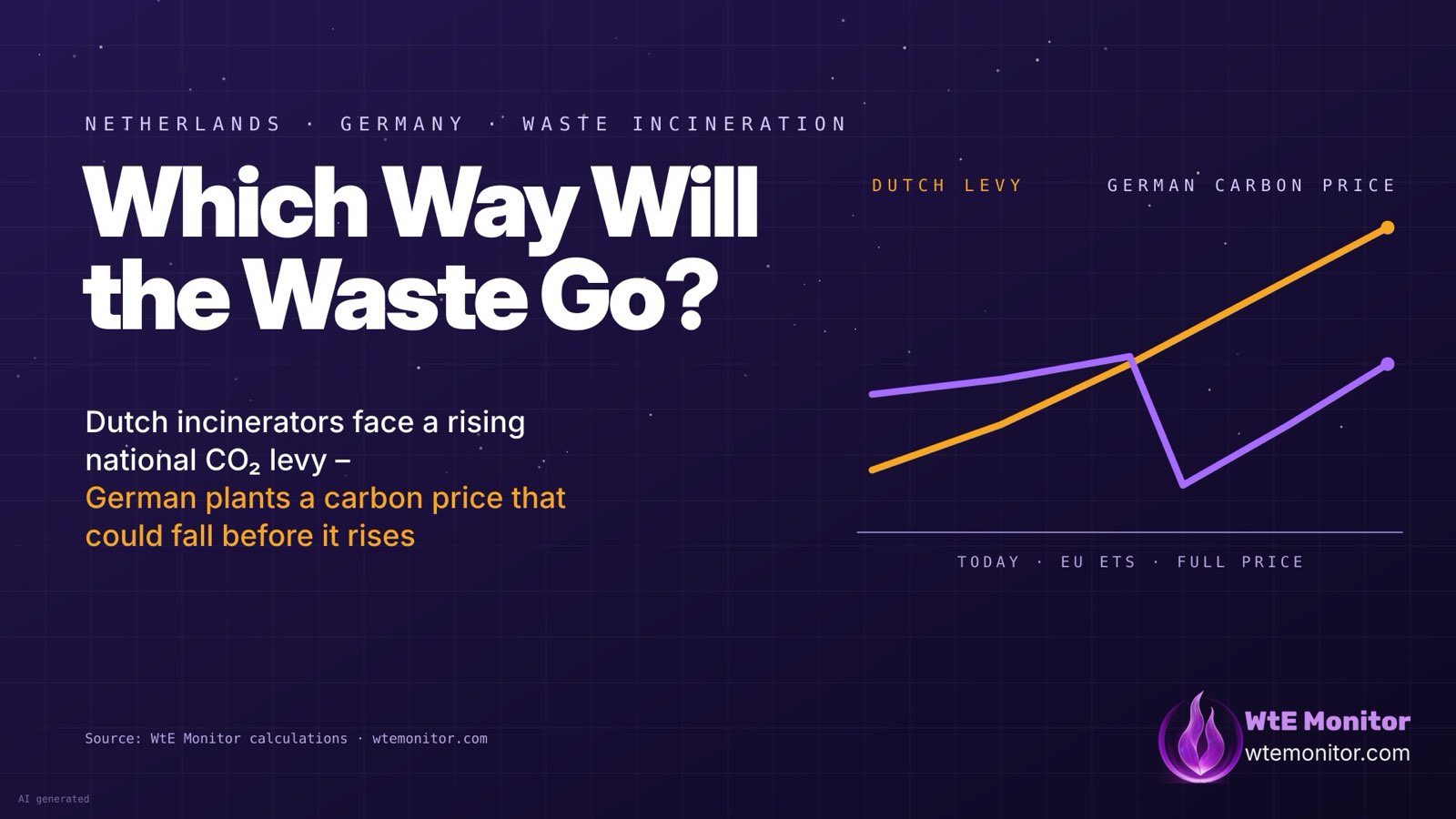
Under the plan, the waste tax is to rise from €40.85 per tonne in 2026 to €81 from 2030. The national CO₂ levy on waste incinerators is to climb from €104 per tonne of CO₂ in 2026 to €193 in 2030 and €304 in 2035.
Vereniging Afvalbedrijven puts the structural extra burden for the sector at €498 million a year. In September 2026, the association warned that the levy would push waste abroad. In August 2026, it had said that the rising levy discourages investment in carbon capture.
WtE Monitor Analyses: When Does Exporting Waste Pay?
WtE Monitor examined the association’s warning on 20 November 2026 in Dutch Waste Levies: Will the Waste Go to Germany?. The calculation compares what a tonne of waste costs in carbon charges on both sides of the border and what it costs to move it. The two Dutch charges behave very differently once waste is exported.
Germany has also charged incinerators for their CO₂ since 2024. Transport by ship alone costs €27 per tonne, according to PwC. In which year exporting starts to pay is set out in the WtE Monitor+ analysis Is the Dutch CO₂ Levy Driving Waste to Germany?.
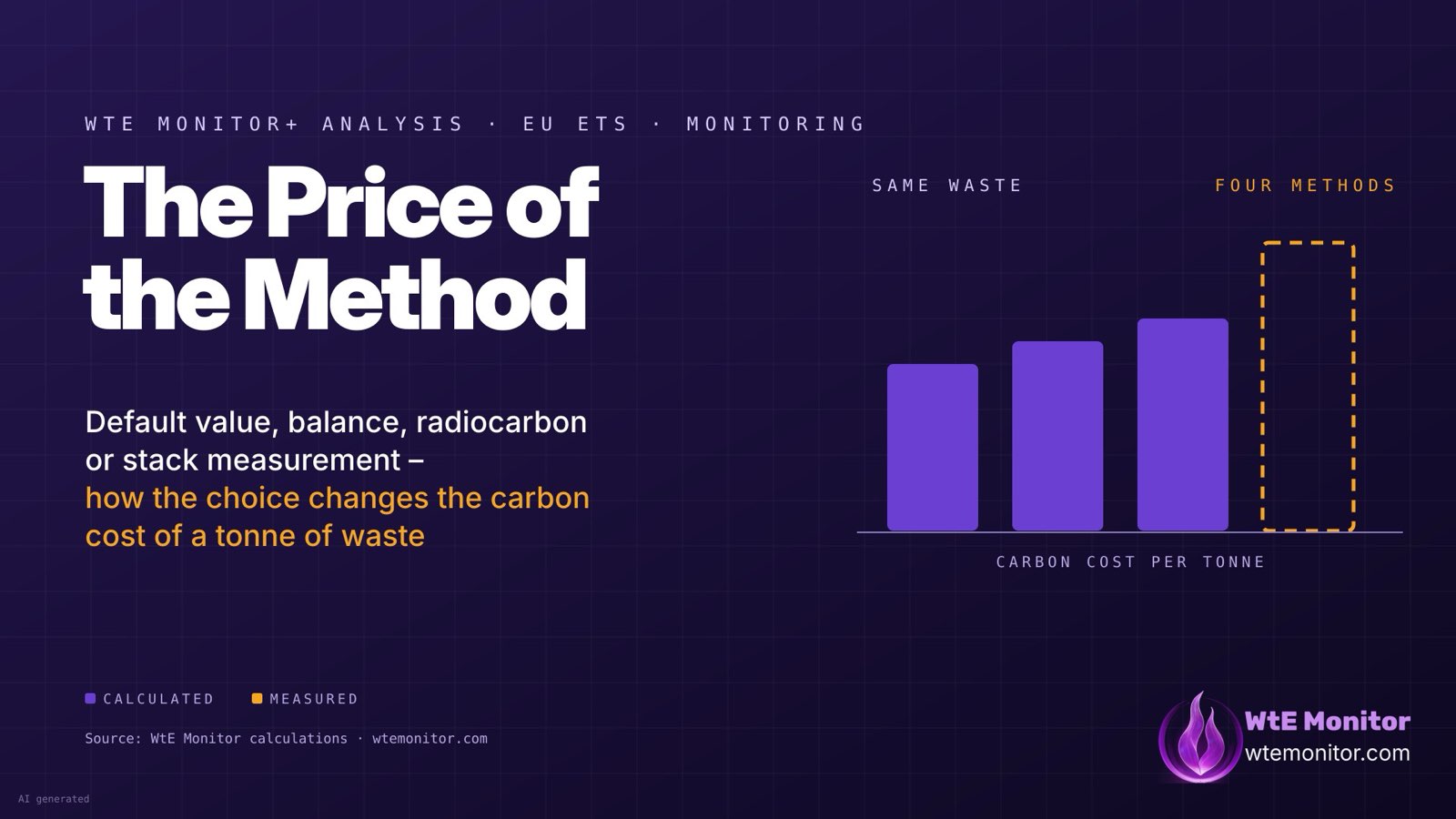
A second calculation, EU ETS: What Carbon Pricing Adds to a Tonne of Waste of 16 November 2026, covers nine European markets. Emissions trading would cost waste incinerators between €11 and €15 per tonne of waste in the first year, 2031, and between €49 and €68 at full price in 2034. The Netherlands is at the lower end of that band. The details are in the WtE Monitor+ analysis What the EU ETS Will Cost per Tonne of Waste, Country by Country.
Read More
- Dutch Waste Levies: Will the Waste Go to Germany?
- Is the Dutch CO₂ Levy Driving Waste to Germany?
- EU ETS: What Carbon Pricing Adds to a Tonne of Waste
- What the EU ETS Will Cost per Tonne of Waste, Country by Country
- Dutch Waste Tax Remains Unchanged in Tax Plan
- Dutch Parliament Seeks to Keep Waste Streams and Raw Materials
- Dutch Parliament Debates Higher Waste Taxes and CO₂ Levy
- Economist Calls National CO₂ Levy on Top of EU ETS Pointless
- Dutch Waste Sector Warns CO2 Levy Will Drive Waste Exports
- Rising CO2 Levy Threatens Investment in Dutch Waste Incineration
- Dutch Waste Sector Fears Levy Will Halt CO₂ Capture Projects
Ask WtE Monitor
Answers come only from WtE Monitor articles and plant data, with sources. Ask in any language.
Your question is processed by Anthropic to generate the answer. Please do not enter personal data. Privacy policy
3 questions a month with a free subscription, unlimited with WtE Monitor+. Subscribe free · Get WtE Monitor+
Leave a Reply