
The Dutch parliament has backed a CO₂ levy on waste incineration that is to reach €304 per tonne of CO₂ by 2035. Operators warn that waste will be exported. A WtE Monitor calculation shows when that threat becomes real.

On 12 November 2026, the lower house of the Dutch parliament adopted the 2027 Tax Plan by 76 votes to 74. For waste incinerators it contains two increases. The waste tax is to rise from €40.85 per tonne in 2026 to €81 from 2030, and the national CO₂ levy from €104 per tonne of CO₂ in 2026 to €193 in 2030. The government’s website puts the expected revenue at a minimum of €567 million a year. The Senate has yet to vote.
Two Charges, Two Effects at the Border
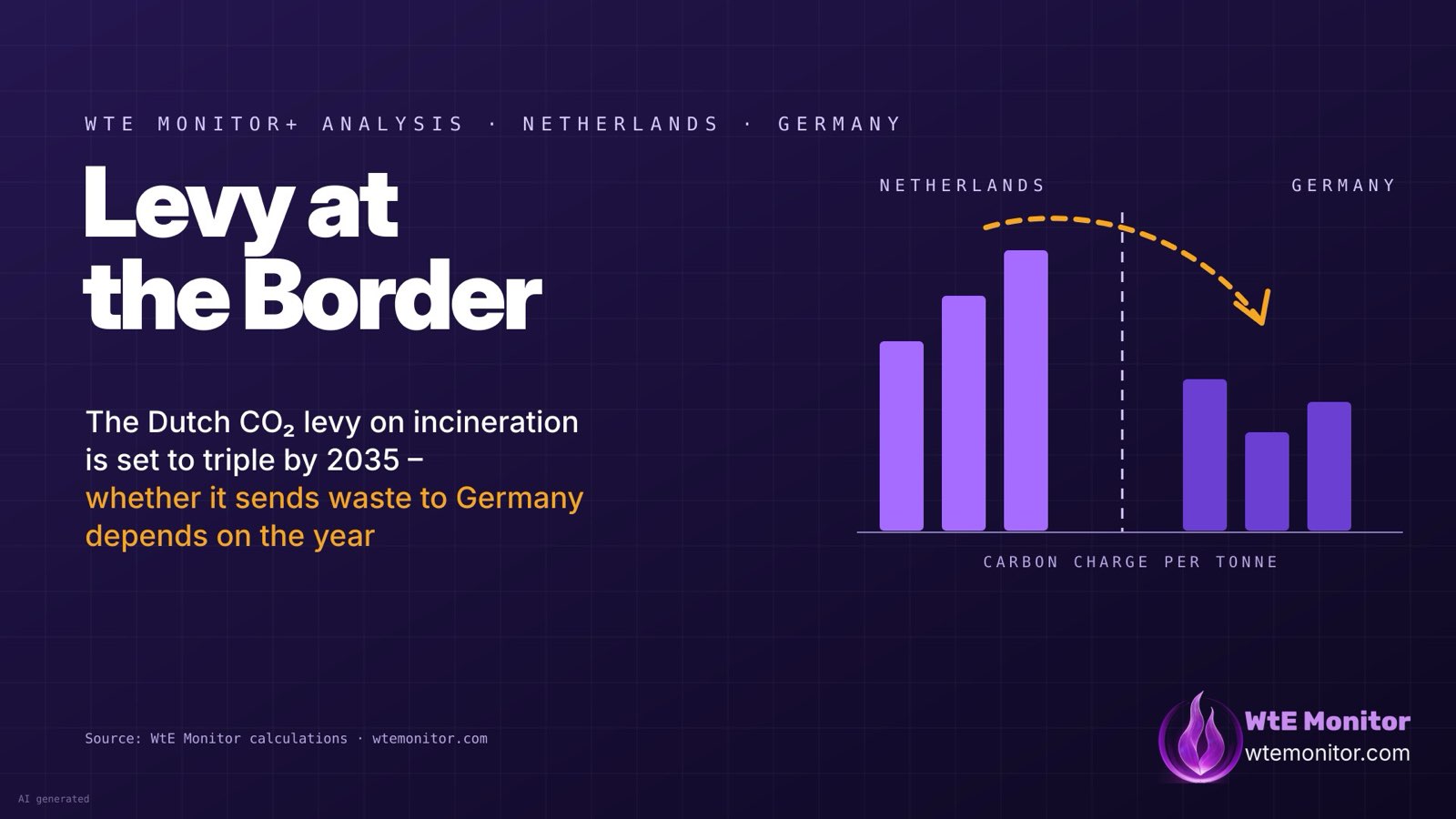
Dutch plants burned 6.42 million tonnes of waste in 2024, 15 per cent less than in 2020, and imports fell by more than 40 per cent between 2023 and 2024. The industry association says the levy will send waste abroad. Around Magdeburg alone, which can be reached by ship from the Dutch port of Delfzijl, German plants have a capacity of more than 3 million tonnes, according to an analysis by PwC Strategy& of May 2026.
WtE Monitor has compared what a tonne of waste costs in carbon charges on both sides of the border, and what it costs to move it. The two Dutch charges turn out to behave very differently once waste is exported. Germany, too, has charged incinerators for their CO₂ since 2024, and transport by ship alone costs €27 per tonne, by PwC’s reckoning. And one date changes the entire calculation.
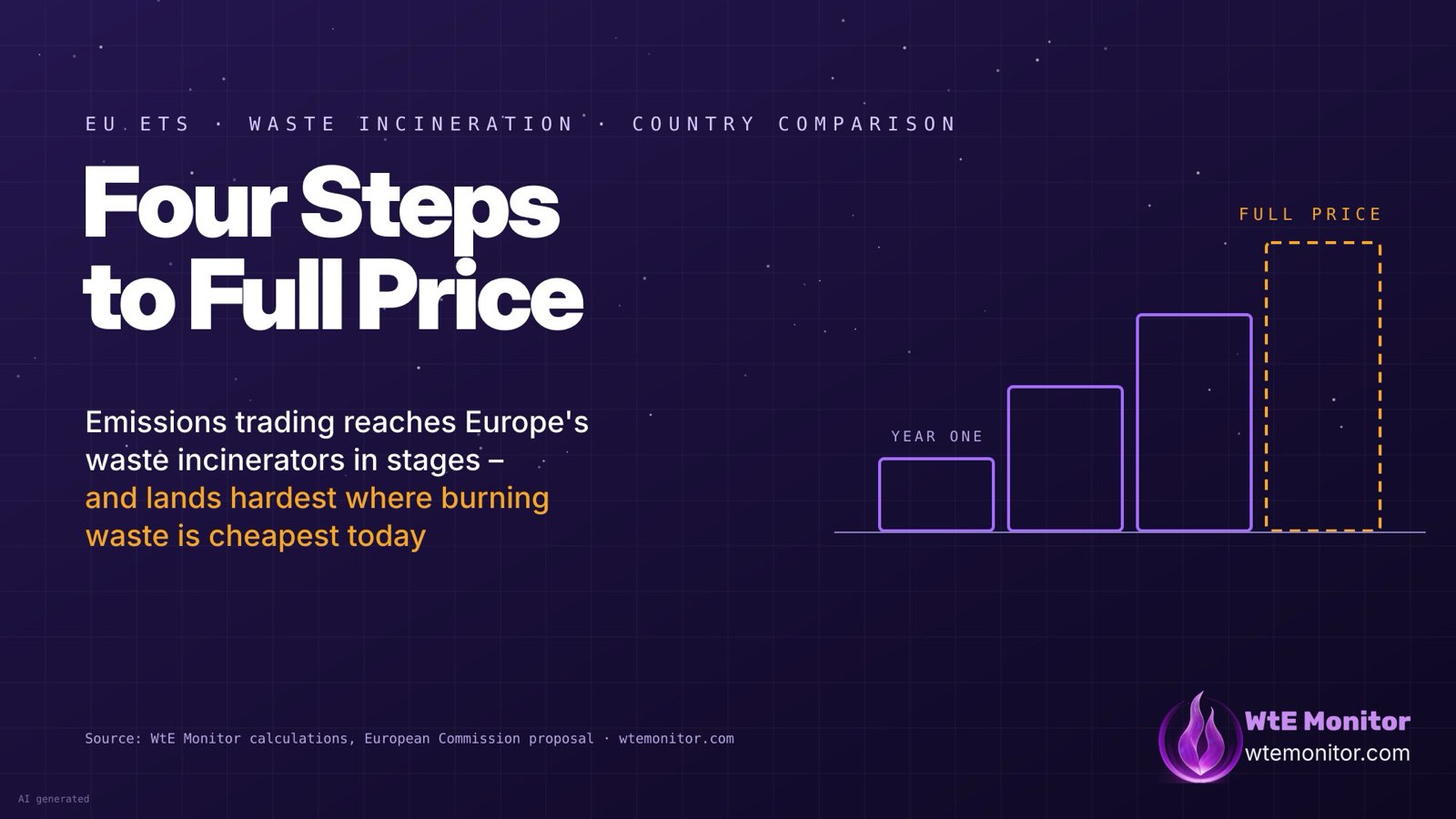
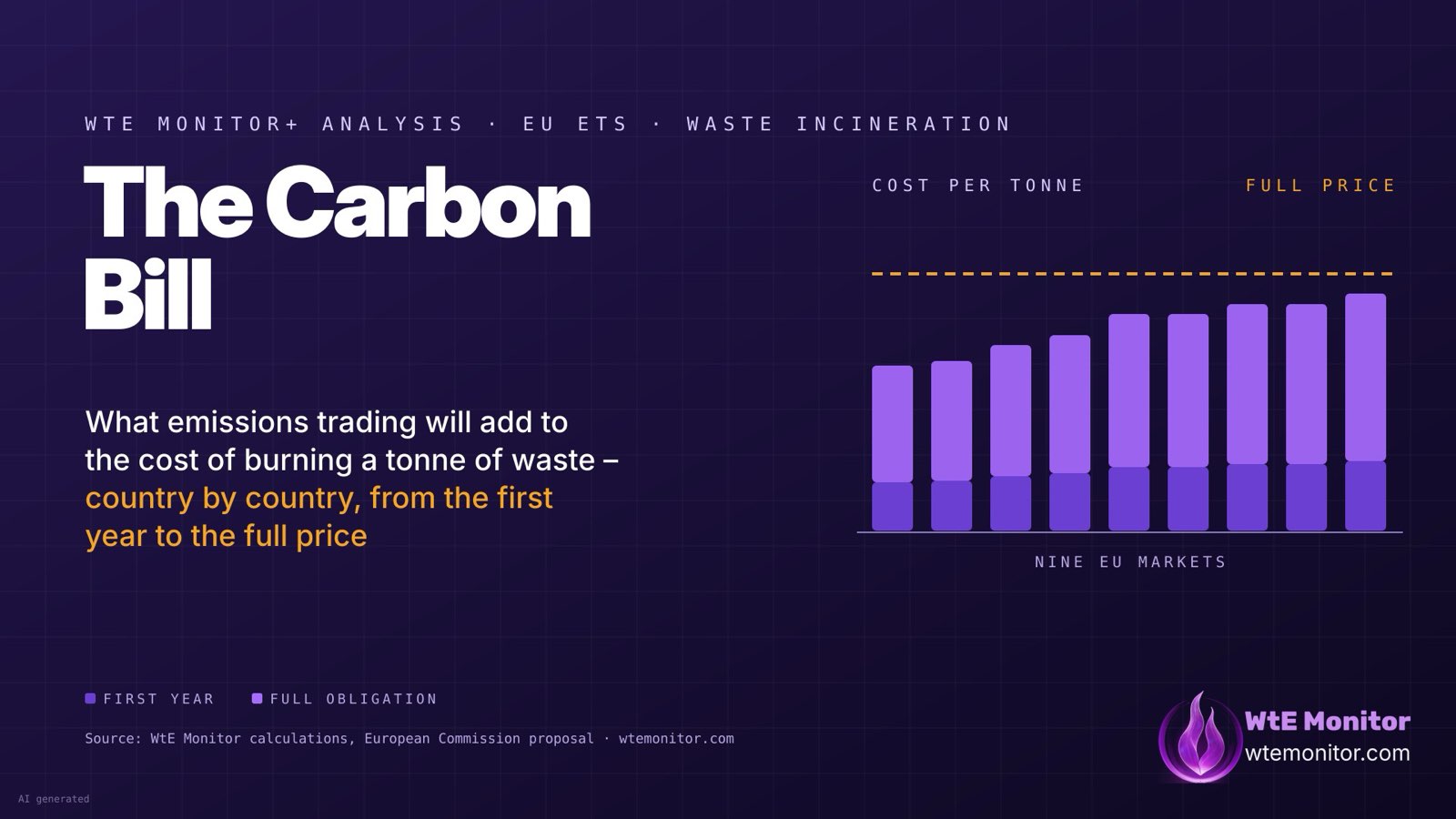
In which year exporting starts to pay, why Belgium and France come into play before Germany, and what the first year of the EU ETS has to do with it: the WtE Monitor+ analysis has the details.
Read More
Ask WtE Monitor
Answers come only from WtE Monitor articles and plant data, with sources. Ask in any language.
Your question is processed by Anthropic to generate the answer. Please do not enter personal data. Privacy policy
3 questions a month with a free subscription, unlimited with WtE Monitor+. Subscribe free · Get WtE Monitor+
Leave a Reply