
A tougher Dutch CO2 levy could make it cheaper to ship waste to Germany than to burn it at home. The sector is sounding the alarm, and a new study backs its case.

Key Takeaways
- Vereniging Afvalbedrijven urges MPs to amend the 2027 CO2 levy and waste tax, citing €498m extra annual costs.
- PwC: Dutch incineration tax rises to €78/t by 2035, up to 4.33 times neighbouring levels.
- Export becomes cheaper, e.g. €27/t by ship from Delfzijl to Magdeburg.
- CCS costs €81–98/t; Aramis delayed to 2031, putting investment at risk.
- Recyclers face higher residue costs; EU ETS inclusion would cut the gap to €3–4/t.
The Dutch waste management association Vereniging Afvalbedrijven has asked the House of Representatives to re-examine and amend the CO2 levy and the waste tax set out in the government’s 2027 Tax Plan. In a submission to parliament dated 23 September 2026, the association states that the measures leave the waste and recycling industry with a structural annual cost increase of €498 million. Furthermore, it states that the tax increase will rise to almost half a billion euros per year by 2035. The measures are due to take effect on 1 January 2027.
The association bases its position on an addendum by PwC Strategy& dated 27 May 2026, which it commissioned and attached to the submission. The addendum does not examine the 2027 Tax Plan itself. Instead, it analyses the 2025 Tax Plan, which introduced a correction factor that phases out CO2 dispensation rights for waste incineration plants more quickly. According to the association, the rates in the 2027 Tax Plan are significantly above the level of the 2025 Tax Plan. As a result, it believes this increases the risks PwC describes.
Tax Burden of up to €78 per Tonne by 2035
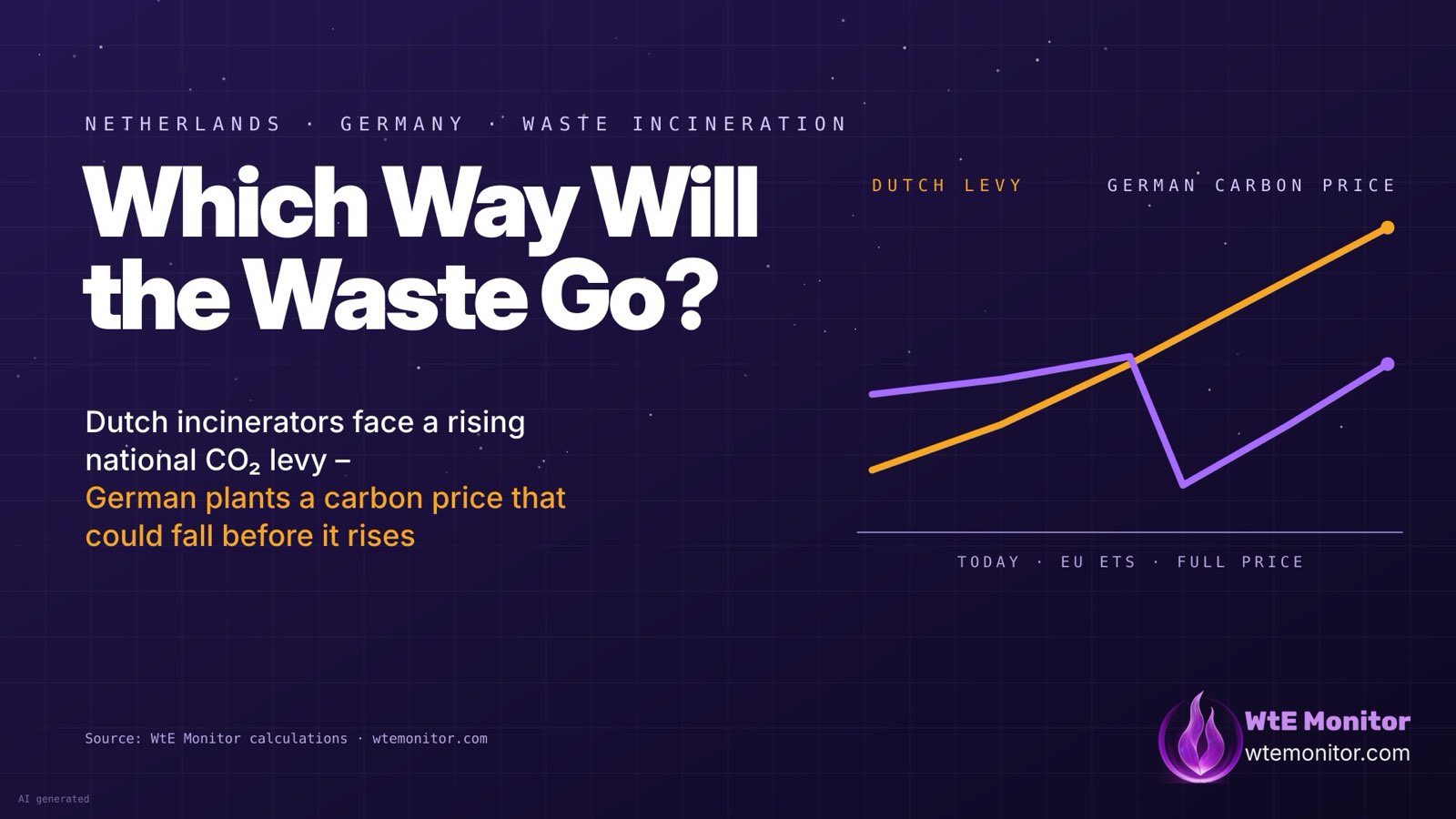
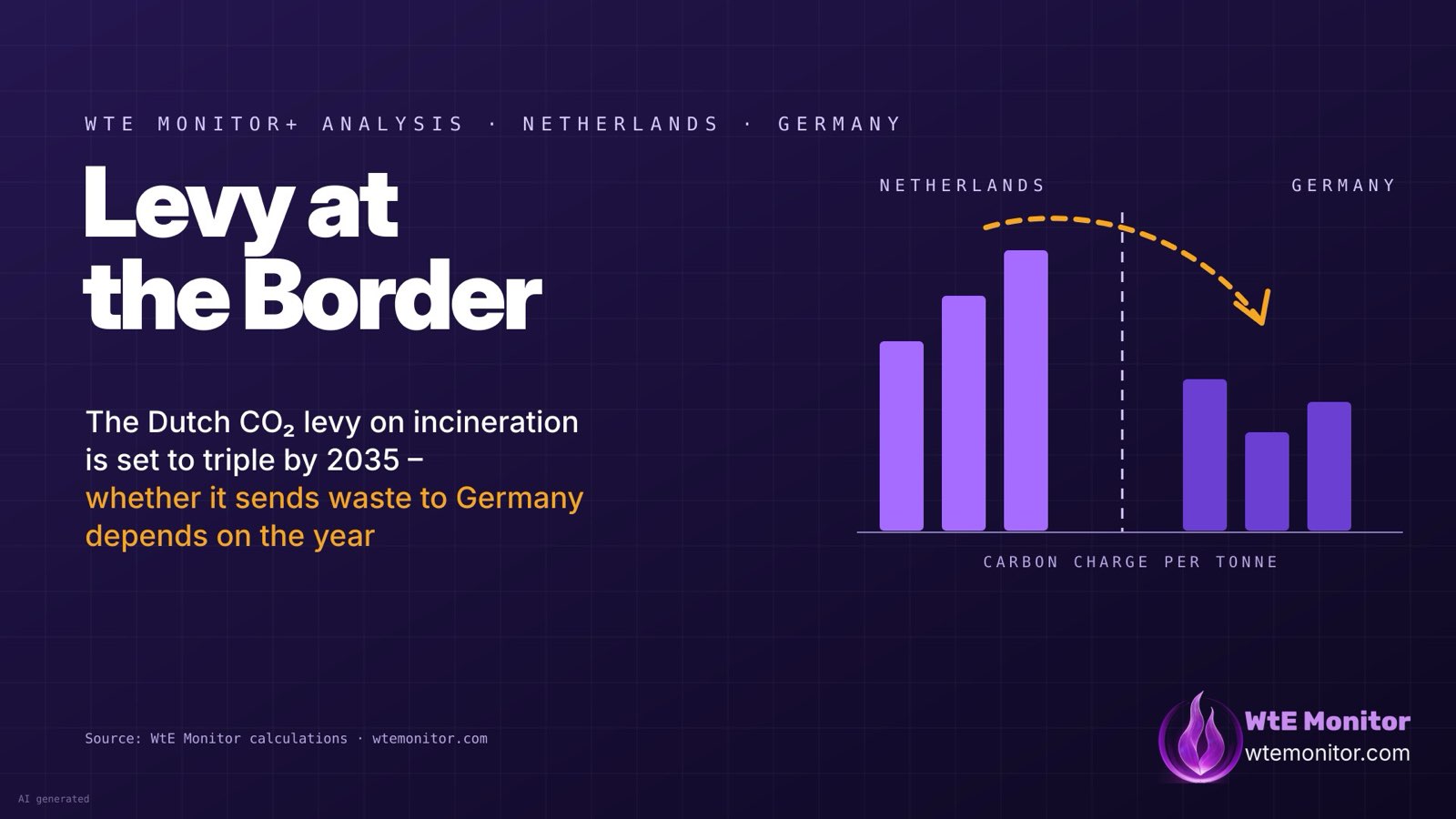
PwC calculates that the effective tax burden on incinerated waste in the Netherlands stood at €29 per tonne in 2025, consisting solely of the waste tax, as incineration plants still held enough dispensation rights to pay no CO2 levy. With the correction factor, the combined burden rises to €35 per tonne in 2026. It grows to €70 in 2030 and €78 in 2035. Without the correction factor, the figures would be €31, €51 and €70. In the neighbouring countries examined, levies range from €18 to €51 per tonne. In 2035, Dutch plants would pay between 1.53 and 4.33 times as much tax on incineration as plants in those countries.
According to PwC, the difference is large enough to cover the cost of transport to neighbouring countries. Export to Belgium becomes possible from a cost increase of about €21 per tonne. If no local taxes applied, an effective CO2 levy of €41 to €49 per tonne of waste in 2035 would correspond to road transport over 390 to 469 kilometres. As an example, PwC calculates a total cost of €27 per tonne for shipping waste from Delfzijl via the North Sea and the Elbe to the Waste-to-Energy plant in Magdeburg. Moreover, plants within 135 kilometres of Magdeburg have a combined capacity of 3.3 million tonnes, which is more than half of the 6.3 million tonnes of Dutch waste incinerated in such plants.
“The study shows that a higher CO₂ levy makes it more attractive to process waste abroad. If waste streams and business activity cross the border, the expected tax revenues will fall short. Investments in sustainability, including the connection of waste companies to Aramis, are also put at risk. We therefore ask the House of Representatives to re-examine the plans and amend them,” said Bart van den Leemput, chairman of Vereniging Afvalbedrijven.
Carbon Capture Costs More Than Export
Carbon capture and storage (CCS) is, according to PwC, currently the only recognised way for incineration plants to reduce their CO2 emissions and thereby avoid the levy. PwC puts the cost of CCS at about €81 to €98 per tonne of waste. Transporting waste across the border and incinerating it there is cheaper. Therefore, without additional policy such as subsidies the levy creates only a limited incentive to decarbonise.
The infrastructure required, the Aramis project, has been delayed and will not be available before 2031. Based on the projects for which subsidies have already been granted, 39 per cent of CO2 emissions would be captured. For four operators representing 68 per cent of Dutch incineration capacity – AVR, Attero, AEB and EEW – PwC calculates that the CO2 levy reduces EBITDA in 2030 by 31 per cent without the correction factor. It reduces EBITDA by 58 per cent with it.
The association argues that the levy directly affects the financing of CCS projects, because long-term investment requires certainty about future volumes and cash flows. It notes that the government has reserved €1.3 billion for Aramis while pursuing a policy that, in the association’s view, undermines the project.
Recyclers Face Higher Costs for Residues
Sorting and recycling companies do not pay the waste tax or the CO2 levy directly, as both are charged to incineration plants. PwC nevertheless expects their processing costs to rise substantially, because non-recyclable residues from sorting and recycling are sent for incineration. For the plastics PP and HDPE, residues from the recycling step alone amount to about 30 per cent.
According to PwC, this puts Dutch recyclers at a disadvantage in three ways: compared with foreign recyclers when processing imported waste, compared with export and recycling abroad when processing domestic waste, and compared with producers of virgin plastics. The consultancy sees a risk of unused recycling capacity and a weaker investment climate. This comes as recycling capacity for plastics in the Netherlands currently exceeds the domestic supply of plastic waste.
EU ETS Would Narrow the Gap
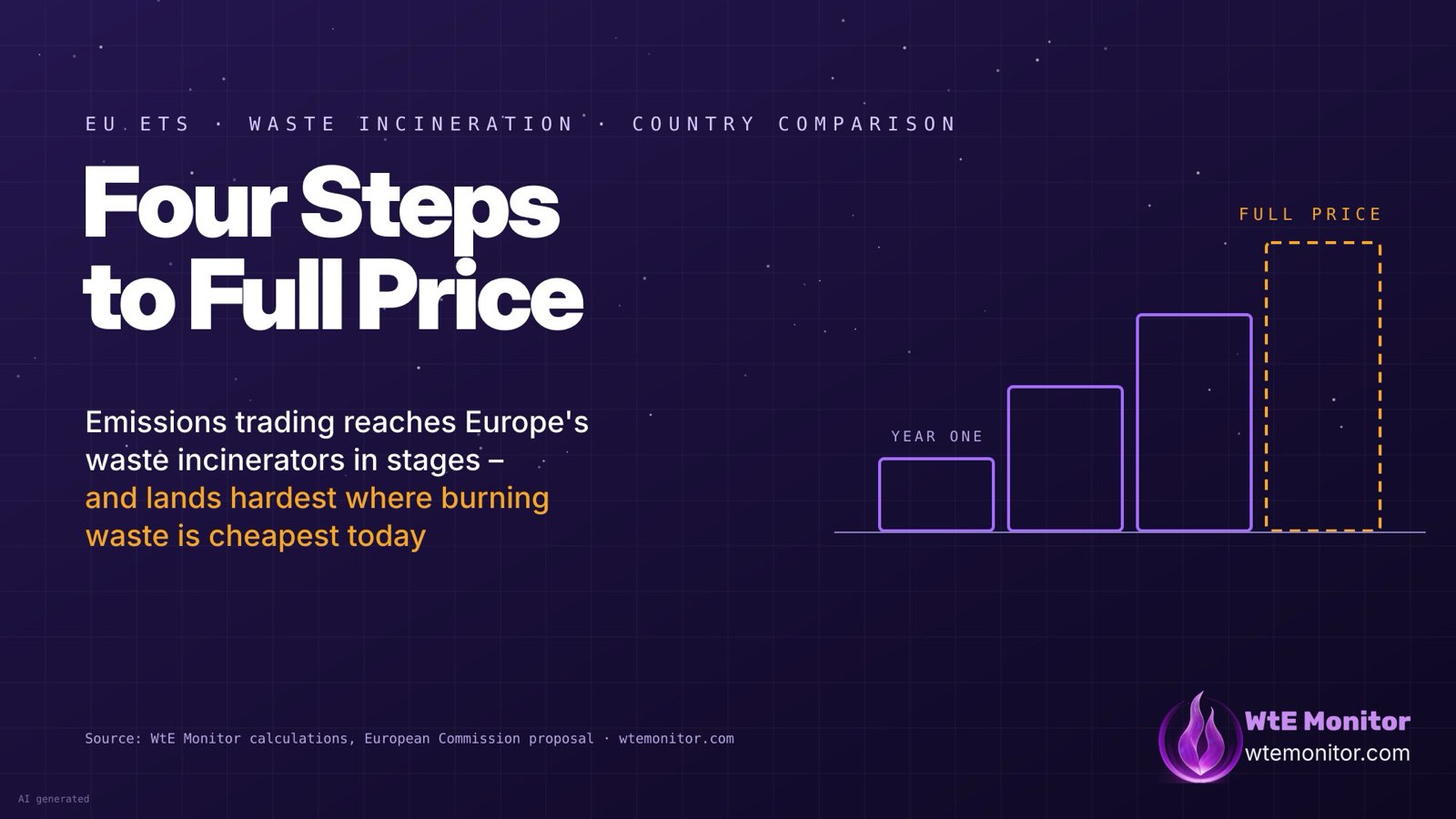
PwC states that it is not opposed to levies in principle and that levies can be an efficient way to steer a market, provided unintended side effects are taken into account. If waste incineration plants were brought into the EU Emissions Trading System, the tax difference with neighbouring countries would fall to about €3 to €4 per tonne and exporting domestic waste would no longer pay. This is expected in 2030 at the earliest. Until then, PwC concludes, plants have virtually no options to mitigate the effects of the national levy.
The association adds that waste processed abroad lowers Dutch emissions on paper but not global emissions, and that revenue from the CO2 levy and the waste tax would be lower than the government assumes if fewer tonnes are taxed in the Netherlands. The sector employs about 30,000 people, the association says.
In its submission, the association makes three requests to parliament. It asks for an independent level playing field test and stress test of the full government proposal. It asks members to adhere to the adopted Stultiens motion and to meet the budgetary target as far as possible through alternative measures that tax fossil and linear production and consumption. Finally, it also asks them to prevent national and European CO2 charges from accumulating, taking into account the expected inclusion of incineration plants in the EU ETS and the availability of CCS infrastructure.
Read More
Ask WtE Monitor
Answers come only from WtE Monitor articles and plant data, with sources. Ask in any language.
Your question is processed by Anthropic to generate the answer. Please do not enter personal data. Privacy policy
3 questions a month with a free subscription, unlimited with WtE Monitor+. Subscribe free · Get WtE Monitor+
Leave a Reply