

With a €35.6M strategic plan, Intradel aims to modernise its waste management. Discover the key pillars of its investment strategy through to 2028.
Key Takeaways
- Intradel has launched a €35.6M strategic plan to modernise waste management from 2026 to 2028.
- Key investments include upgrading the Herstal Waste-to-Energy plant with €19.6M for improved energy efficiency.
- Intradel plans to enhance composting and biomass facilities with €4.88M and invest €6.09M in recycling centres.
- The strategy focuses on four pillars: environmental performance, societal interaction, performance governance, and cost control.
- Overall, Intradel aims to balance ecological, social, and economic goals in advancing the circular economy.
The Belgian inter-municipal company Intradel has published its strategic plan for 2026 to 2028, outlining significant investments. The strategy focuses on modernising key infrastructure and advancing environmental performance for its 72 member municipalities.
The Belgian inter-municipal company Intradel has presented its strategic plan for the period 2026 to 2028. This plan includes an investment programme of approximately 35.6 million euros. The plan is designed to support a sustainable, economically viable, and socially responsible waste management system. Moreover, the financing for the investments will be sourced from loans. Loans will cover 55 per cent for the modernisation of the Waste-to-Energy plant. Additionally, 45 per cent will come from the company’s own funds and cash flow.
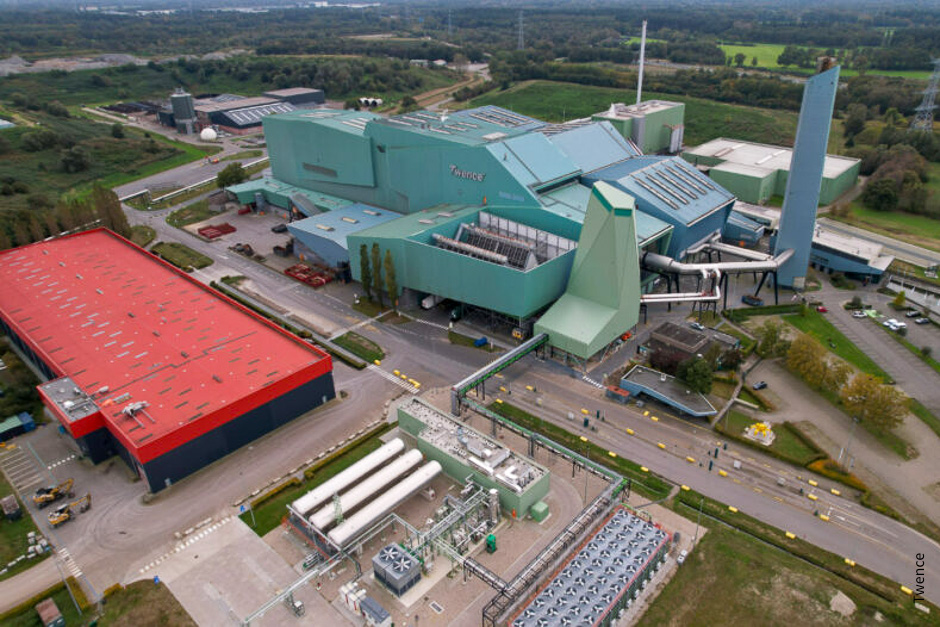
A central component of the programme is the modernisation of the Herstal Waste-to-Energy plant (UVE), with a planned investment of around 19.6 million euros. This allocation represents 55 per cent of the total volume. It is intended to secure the plant’s operation until 2045. Furthermore, it will increase its energy efficiency and environmental performance. The facility is projected to feed 205,000 MWh of electricity into the grid annually.
Focus On Infrastructure Modernisation
Further investments are allocated to the renewal and expansion of Biocenters for composting and biomass. This allocation amounts to approximately 4.88 million euros. These funds will be used for the expansion and modernisation of the Soumagne, Lixhe, and Grâce-Hollogne sites. This includes the acquisition of new machinery and projects to improve energy efficiency. The Recyparcs (recycling centres) will receive about 6.09 million euros. This is dedicated to measures including the construction of a new facility in Herstal-Coronmeuse. In addition, funds will go to the renovation of existing sites.
The strategy is built upon four main pillars. The first is environmental performance. Intradel aims to keep the amount of household waste per inhabitant below 477 kg per year. The quantity of residual waste should remain below 108 kg per year. Furthermore, the company has set a recycling target of 68 per cent. There is also a combined recycling and recovery rate of 96.6 per cent. Measures to achieve this include promoting waste prevention. Moreover, expanding selective collections and developing new reuse and recycling channels are key actions.
Environmental and Societal Objectives
The second pillar, societal interaction, focuses on increasing engagement with citizens, municipalities, schools, and associations. This is done through enhanced public relations and the establishment of „Maisons Zéro Déchet“ as local contact points. The third pillar, performance and governance, aims for high service quality and transparency. This will be achieved through the introduction of new digitalisation tools, such as AI-supported systems. Additionally, further development of quality and environmental management systems like ISO and EMAS is planned. The fourth pillar, cost control, seeks to balance environmental and social objectives with the financial impact on citizens. Measures include bottom-up budgeting and the optimisation of operational processes.
In summary, Intradel’s strategy combines ecological, social, and economic objectives. The planned investments are directed towards the modernisation of infrastructure. They also support the improvement of service quality and the sustainable development of the circular economy in the region.


Leave a Reply