

Antwerp is accelerating the expansion of its southern district heating network. The project will utilise various residual heat sources to establish a sustainable and robust energy supply.
Key Takeaways
- Antwerp is accelerating the expansion of its southern district heating network by connecting Hoboken, Kiel, Wilrijk, and Nieuw Zuid, scheduled for completion by 2027.
- The network will use residual heat from two wastewater treatment plants and a waste-to-energy plant, ensuring a sustainable energy supply.
- A multi-source system enhances flexibility, security, and efficiency, while future-proofing the infrastructure for additional heat sources.
- Once operational, the network aims to reduce CO₂ emissions by nearly 15,000 tonnes annually, contributing to the city’s 2030 climate goals.
- Alderman Karim Bachar emphasised the project’s role in providing reliable, affordable energy amidst rising global energy prices.
The city of Antwerp has finalised plans for its southern district heating network. The city decided to accelerate the construction of its missing sections. The project will connect parts of the Hoboken, Kiel, Wilrijk, and Nieuw Zuid districts. It is scheduled for completion by 2027.
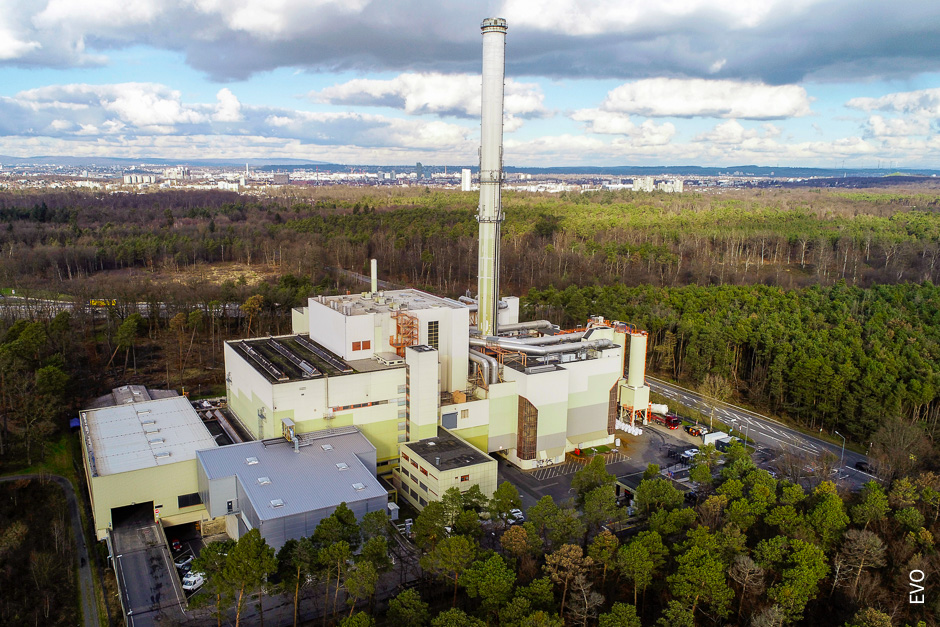
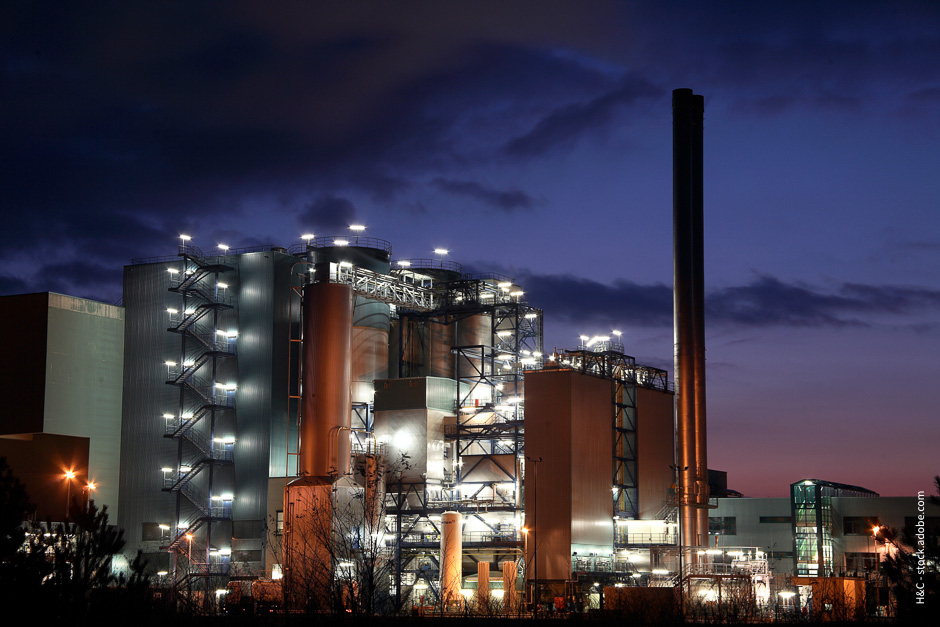
A study commissioned by the city confirmed the technical feasibility and economic viability of using a combination of heat sources. The network will be supplied by two wastewater treatment plants located in Aartselaar and Kielsbroek. Additionally, there will be two industrial sources, including the ISVAG Waste-to-Energy plant. Fluvius has been appointed as the network operator responsible for laying the pipelines.
Multi-Source System Ensures Reliability
The research highlighted that connecting the heat networks in Wilrijk, Hoboken, Kiel, and Nieuw Zuid provides significant advantages in flexibility, supply security, and efficiency. This multi-source design ensures the system is robust and cost-effective. Furthermore, the infrastructure is designed to be future-proof, allowing for the integration of other heat sources in the future.
Once operational, the southern heating network is projected to achieve an annual carbon dioxide (CO₂) reduction of nearly 15,000 tonnes. This saving is equivalent to the energy required to heat over 8,000 homes without using natural gas or heating oil. The reduction represents 20 per cent of the city’s goal to save 71,000 tonnes of CO₂ annually by 2030.
A Step Towards A Sustainable Future
Karim Bachar, Alderman for the Environment for the city of Antwerp, stated that the project marks a significant step towards a sustainable and future-oriented energy system. He explained that by utilising local residual heat, the city is ensuring a reliable and affordable energy supply for the residents in these districts. This becomes particularly important as international tensions affect energy prices.
ISVAG, confirmed as a key heat supplier, welcomed the decision. The company noted that its capacity to provide residual heat will now be effectively used for the city’s residents and businesses.

Leave a Reply