

ZVAWS is launching major upgrades at its Würzburg waste to energy plant. Find out how the planned retrofit and new sludge facility will impact costs, operations, and the region’s waste management.
Key Takeaways
- ZVAWS is modernising the Würzburg Waste to Energy plant with a €43.5 million retrofit of incineration line 3, impacting costs and operations.
- The retrofit will temporarily increase operating costs from €116 to €181 per tonne due to restricted capacity and lost revenue.
- In addition, ZVAWS will face increasing expenses from CO2 certificates, raising overall waste fees in Germany.
- A new sludge drying plant will be developed in collaboration with ZKMTA, with construction expected by 2029.
- Leadership transition at ZVAWS occurred with Tamara Bischof taking over as chair.
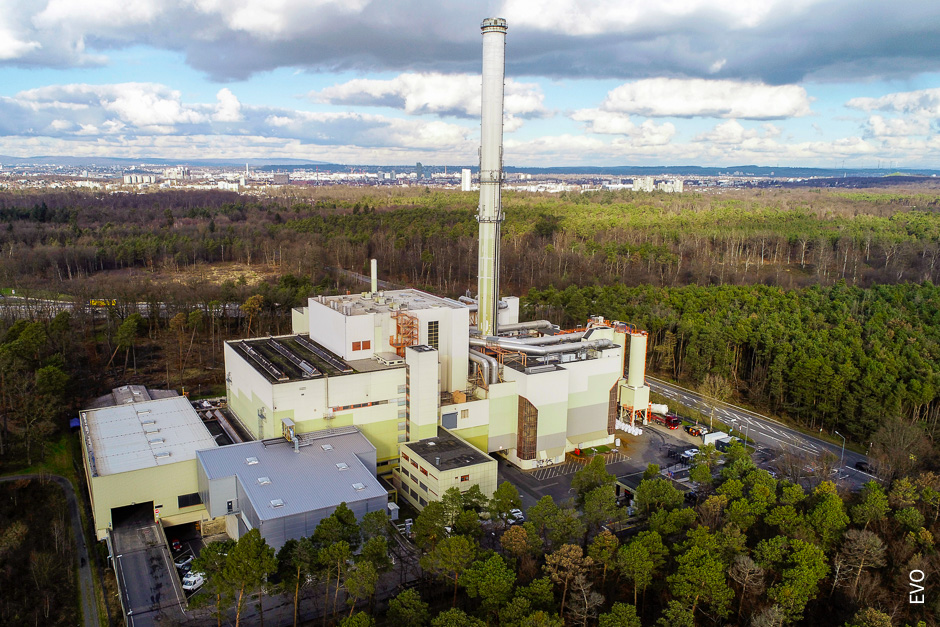
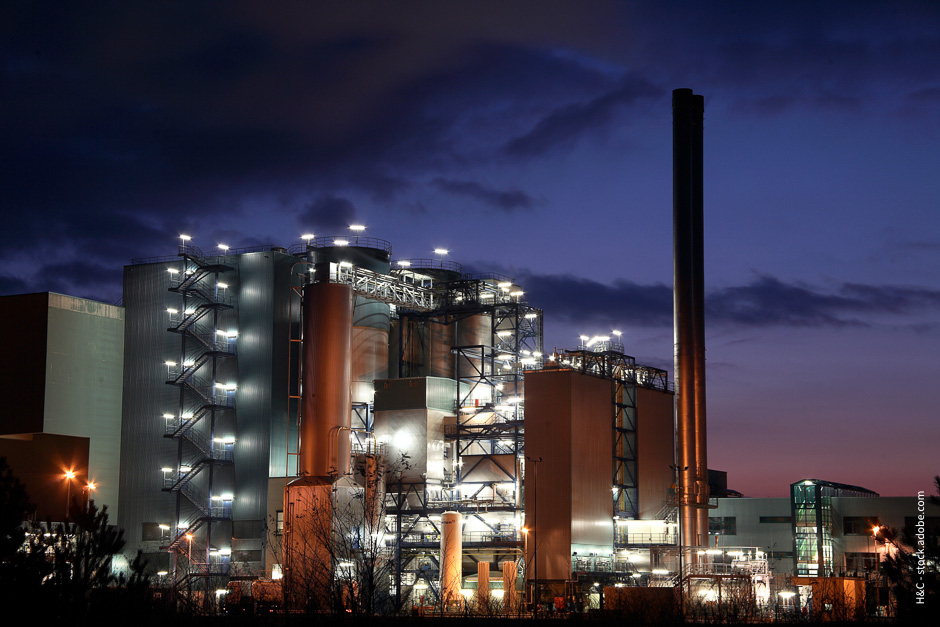
The Zweckverband Abfallwirtschaft Raum Würzburg (ZVAWS) in Germany has approved its economic plan for 2026, initiating several key projects. The central measure is the extensive modernisation of the largest incineration line at the Würzburg Waste to Energy (WtE) plant, also known as a Müllheizkraftwerk (MHKW).
Extensive Retrofit of Incineration Line 3
Starting in the summer of 2026 and expected to last until the late autumn of 2027, the retrofit of the nearly 30-year-old incineration line 3 represents a net investment of approximately €43.5 million. During this period of more than a year, the line’s incineration capacity will be unavailable.
As a result, the operating cost levy for the association’s members will increase from approximately €116 to €181 per tonne. This rise is attributed to lost revenue from reduced electricity production and the inability to accept certain commercial waste volumes, combined with the distribution of operating costs over a smaller amount of incinerated material.
The project is intended to optimise the combustion process, reduce shutdowns and maintenance times caused by malfunctions, and increase overall throughput and efficiency. It will also ensure compliance with recently tightened emission limits. The association views the temporary cost increase as a necessary step to achieve significantly improved and more stable operating conditions in the long term.
CO2 Price Adds to Costs
In addition to the retrofit, the 2026 economic plan accounts for the cost of CO2 certificates. An average price of €33 per tonne is anticipated. Since 2024, operators of thermal treatment plants in Germany have been legally required to purchase these certificates for unavoidable CO2 emissions. This expense is unrelated to the retrofit measure and has contributed to a general increase in waste fees across Germany.
The proper thermal treatment of waste from member and partner municipalities is guaranteed throughout the retrofit period. ZVAWS will utilise its intermediate storage facilities for baled waste in Hopferstadt and Aurach. Furthermore, the association has arranged auxiliary contracts with six other Bavarian Waste to Energy plants to manage capacity.
New Sludge Drying Plant and Security Upgrades
According to Head of Operations Alexander Kutscher, progress is also expected on a new central sludge drying plant on the WtE site, a project in cooperation with the ZKMTA sludge association. The assembly has approved the contract with a project developer. In 2026, the building plans are scheduled to be finalised and submitted for approval, with a timeline for construction and commissioning by 2029, in line with the German Sewage Sludge Ordinance. The costs for this plant will be refinanced via the ZKMTA and will not affect waste fees.
Further investments include modernising the fire extinguishing systems and renewing the gate and fence installations to enhance site security. A new visitor centre is also planned to open in 2026 to manage visitor groups and external personnel with digital registration systems.
Change in Association Leadership
Thomas Eberth, District Administrator of Würzburg, concluded his two-year term as chairman of ZVAWS. He stated that the current projects are intended to secure waste disposal for the area for the next 15 to 20 years and that the implementation of the necessary steps is on a good path.
On 1 January 2026, Tamara Bischof, District Administrator of Kitzingen, assumed the role of chair. She emphasised: “The activities and investments of the ZVAWS, especially in cooperation with the new sewage sludge association ZKMTA, solve future tasks at the municipal level and create value in our region!”
Leave a Reply