
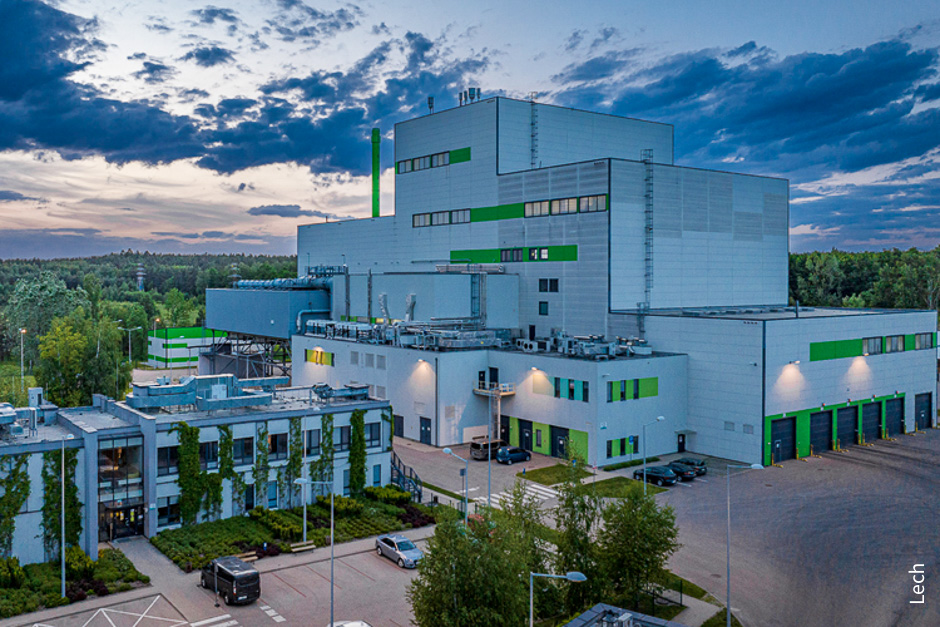
A new energy storage facility at ZUOK Bialystok in Poland marks a significant step in local waste-to-energy innovation. Discover how this project could shape the region’s energy future.
Key Takeaways
- A new energy storage facility at ZUOK Bialystok will have a capacity of 2 MW and 8 MWh, enhancing local energy infrastructure.
- The Bialystok Energy Cluster will manage the project, focusing on renewable energy and energy self-sufficiency.
- The project will receive over PLN 49 million funding from the National Recovery and Resilience Plan.
- The central energy storage will optimise energy use by storing electricity when prices are low and selling it when prices are high.
- The initiative aims to integrate various renewable energy sources, thus increasing the region’s energy independence and resilience.
A central energy storage facility with a capacity of 2 MW and 8 MWh will be constructed at the Municipal Solid Waste Treatment Plant (Zakład Unieszkodliwiania Odpadów Komunalnych, ZUOK) in Białystok, managed by the municipal company Lech. The investment will be implemented by the Bialystok Energy Cluster as part of the project “Construction of a Virtual Renewable Energy Power Plant as an Element of Bialystok’s Energy Transformation,” which has recently secured over PLN 49 million in funding from the National Recovery and Resilience Plan.
The Białystok Energy Cluster consists of the City of Białystok and two municipal companies: PUHP LECH and Wodociągi Białostockie. The agreement establishing the cluster was signed in September 2023. The cluster’s primary objective is to create an energy self-sufficient area by improving energy security and strengthening the local economy. The focus is on optimising the use of locally available energy resources, including renewable energy sources. Energy will be sourced from the ZUOK Bialystok facility, as well as photovoltaic installations operated by Wodociągi Bialostockie and the City of Bialystok.
Project Planning and Stakeholder Involvement
In June, the Cluster Council convened to prepare an implementation plan for the funded project. Participants included the Chair of the Białystok Energy Cluster Council, Krzysztof Karpieszuk; Director of the Energy Efficiency Management Office, Karol Reńko; President of PUHP Lech, Michał Stefanowicz; Vice President of PUHP Lech, Anna Augustyn; President of Wodociągi Bialostockie, Przemysław Tuchliński; Vice President of Wodociągi Bialostockie, Jarosław Poniatowicz; and employees from both companies forming the cluster.
The project is divided into seven main tasks. Wodociągi Bialostockie will be responsible for constructing a photovoltaic power plant with a capacity of up to 2 MW and building a biogas tank with a cogeneration installation. A joint task involves an educational and informational campaign.
The City of Bialystok will undertake the modernisation of the boiler room at ZSP No. 2 by installing heat pumps, the installation of 30 photovoltaic systems on municipal buildings, and the installation of 53 energy storage units.
Central Energy Storage and Optimisation
A key element of the project is the construction of a central energy storage facility with a capacity of 2 MW and 8 MWh at ZUOK Białystok in Poland. The stored energy will be generated from waste incineration at the facility. The storage system will enable the retention of electricity when market prices are low and its sale when prices are high, thus supporting economic optimisation.
The model of the central energy storage facility, which will be located at ZUOK Bialystok, demonstrates the integration of waste-to-energy processes with advanced storage solutions. This approach is designed to enhance the flexibility and resilience of the local energy system.
Project Funding and Strategic Objectives
The project prepared by the Bialystok Energy Cluster received the highest evaluation among all national submissions, achieving 73 points and securing first place in the nationwide call for proposals. The awarded funding of over PLN 49 million from the National Recovery and Resilience Plan will support its implementation.
The primary aim of the “Construction of a Virtual Renewable Energy Power Plant as an Element of Białystok’s Energy Transformation” project is to increase the share of renewable energy in the local energy mix and to develop modern infrastructure that supports the city’s energy independence and flexibility. The virtual power plant will function as an intelligent system of local renewable energy installations – including photovoltaic, biogas, heat pump, and energy storage systems – managed as an integrated entity. This solution enables the optimisation of energy consumption, cost reduction, emission mitigation, and increased resilience to energy crises.
Implementation will proceed under two types of support from the National Recovery and Resilience Plan: Type A, covering investments in renewable energy generation, and Type C, related to energy storage and improved system flexibility.



Leave a Reply