
Geneva’s public energy utility SIG ended 2025 with a loss that did not come from its operations – the culprit was a write-down rooted in the long-term consequences of climate change on heating demand. Behind the headline figure lies a company investing at record pace and extracting more heat than ever from the city’s waste.

Key Takeaways
- SIG closed 2025 with a net loss – not because its operations underperformed, but because a non-cash write-down on its district heating networks dominated the bottom line.
- The write-down reflects a long-term question at the heart of Europe’s heating sector: revised assumptions about future energy demand in a warming climate forced a reassessment of asset values.
- Underneath the headline loss, operating performance held up and SIG pushed through its most ambitious investment programme to date, directing the bulk of capital at its two central Geneva thermal networks.
- The Cheneviers waste-to-energy plant delivered more non-fossil heat than in any previous year, and a further recovery project already in the pipeline could dwarf that gain by 2030.
- SIG reached a financing milestone in 2025, tapping the capital market with a new instrument linked to its green infrastructure programme.
Geneva’s public multi-utility SIG closed 2025 with a net loss – the result of a major, non-cash write-down on its district heating networks that wiped out what would otherwise have been a solid operating year. The impairment, running to nine figures, stems from a fundamental question facing every heating network operator in Europe: what happens to demand as winters grow milder?
Despite the red bottom line, SIG’s underlying business held its ground. Operating cash flow rose sharply, and the company pushed through its most ambitious investment programme to date – directing the bulk of that capital at the two thermal networks threading through central Geneva.
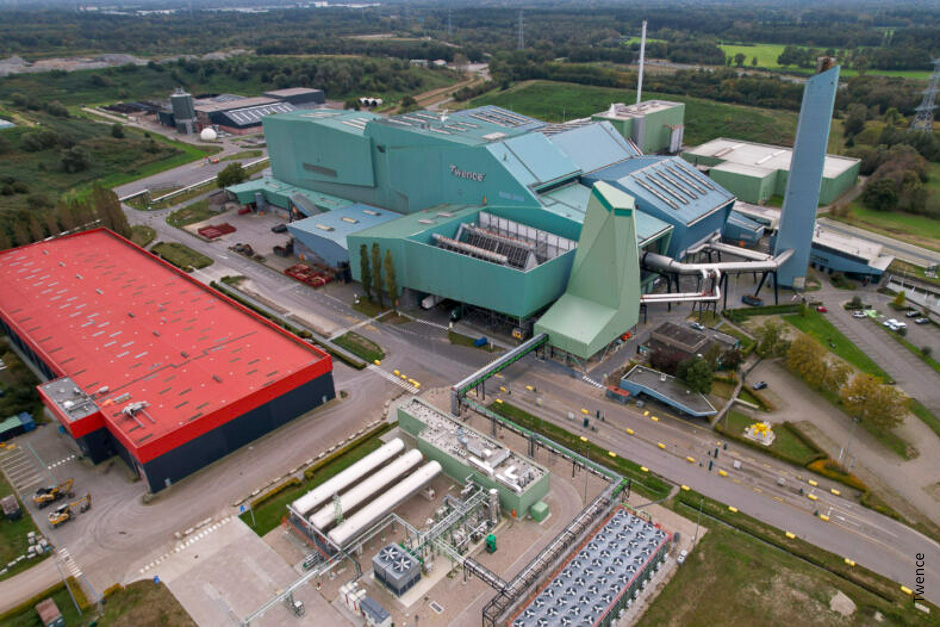
At the heart of the heat supply sits the Cheneviers waste-to-energy plant, which processed 175,000 tonnes of the canton’s waste in 2025. An upgrade to its heat recovery system delivered a meaningful boost in non-fossil output – but SIG is already planning a further project that could more than triple the gains by 2030.
The company also reached a financing milestone, tapping the Swiss capital market for a new instrument tied directly to its green infrastructure ambitions.
Read More
Ask WtE Monitor
Answers come only from WtE Monitor articles and plant data, with sources. Ask in any language.
Your question is processed by Anthropic to generate the answer. Please do not enter personal data. Privacy policy
3 questions a month with a free subscription, unlimited with WtE Monitor+. Subscribe free · Get WtE Monitor+

Leave a Reply