
A four-kilometre link beneath a canal now connects a Dutch waste plant with a bus depot. What flows through it could change how Nijmegen’s buses get moving.

Key Takeaways
- ARN’s Weurt Waste-to-Energy plant now supplies electricity directly to Transdev’s new e-bus depot in Nijmegen.
- Three heavy-duty cables run 4 km to the depot, crossing beneath the Maas-Waal Canal via a special bore.
- The depot’s charging station has 84 charging points, letting dozens of buses charge at once.
- ARN reserves 3 MW for Transdev, equal to the annual use of around 1,000 households.
- Built with regional partners, the link shows waste as a resource for future energy supply.
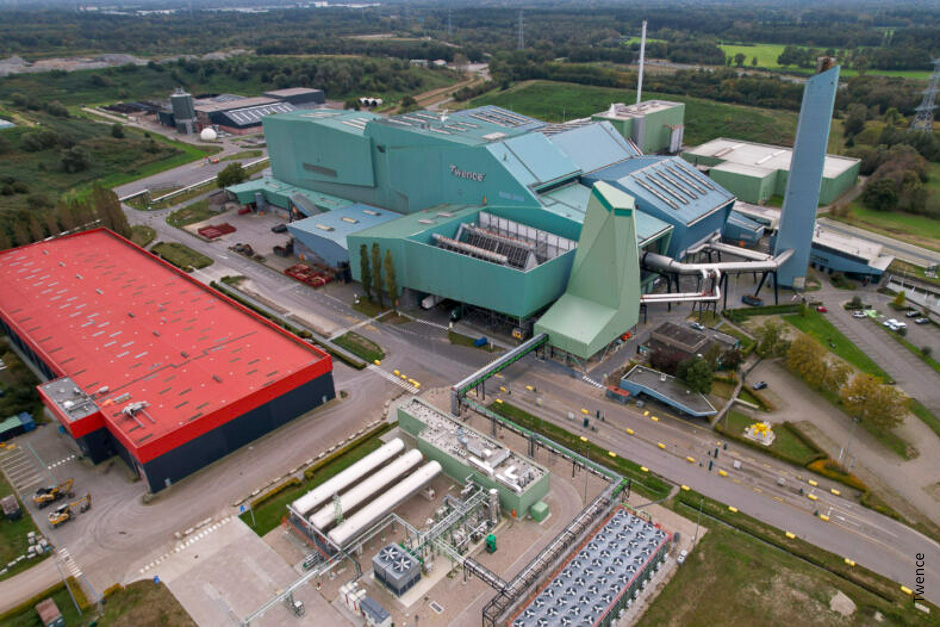
Electricity generated from waste at ARN’s Waste-to-Energy plant in Weurt will be used to charge Transdev’s new electric buses in Nijmegen. A new direct power connection of around four kilometres links the waste treatment facility with the bus operator’s depot, ARN announced.
The connection channels locally generated electricity directly into regional public transport. Waste is treated, the energy recovered in the process is converted into electricity, and this electricity is then used to charge the electric buses.
Three Cables Beneath the Maas-Waal Canal
Planning and construction of the connection took more than a year. Three heavy-duty power cables were laid, each almost five centimetres thick and around four kilometres long.
The route runs from ARN to the Transdev depot and crosses the Maas-Waal Canal by means of a special bore beneath the canal.
84 Charging Points at New Depot
The cable ends at Transdev’s new charging station, which has 84 charging points. This allows dozens of buses to be charged at the same time and to remain available for public transport services in the region.
3 MW Reserved for Electric Buses
ARN has reserved 3 megawatts of electrical capacity for Transdev. According to the company, this is equivalent to the annual electricity consumption of around 1,000 households. The locally generated energy is to be used for electric mobility on a permanent basis.
The project is the result of cooperation between ARN, Transdev and several regional partners. ARN states that it aims to make maximum use of raw materials and energy and that the connection shows how waste can serve as a resource for future energy supply.
Read More
Ask WtE Monitor
Answers come only from WtE Monitor articles and plant data, with sources. Ask in any language.
Your question is processed by Anthropic to generate the answer. Please do not enter personal data. Privacy policy
3 questions a month with a free subscription, unlimited with WtE Monitor+. Subscribe free · Get WtE Monitor+
Leave a Reply