
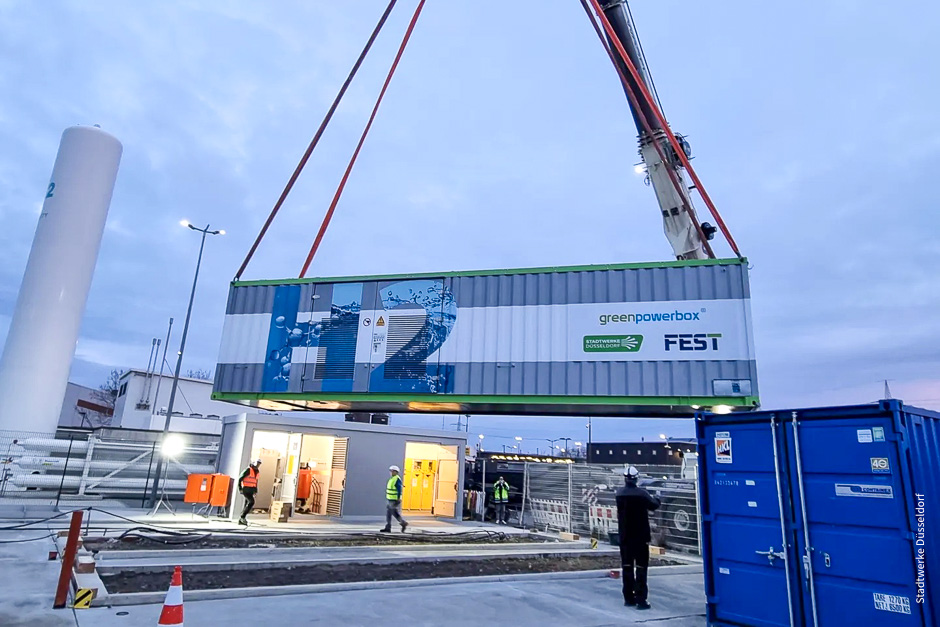
Düsseldorf takes a major step towards climate-neutral mobility. A newly delivered two-megawatt electrolyser will soon produce local hydrogen to power the city’s public transport.
Key Takeaways
- Düsseldorf aims for climate-neutral mobility with a new two-megawatt electrolyser for local hydrogen production.
- The electrolyser from Fest will support public transport by supplying hydrogen to a local filling station.
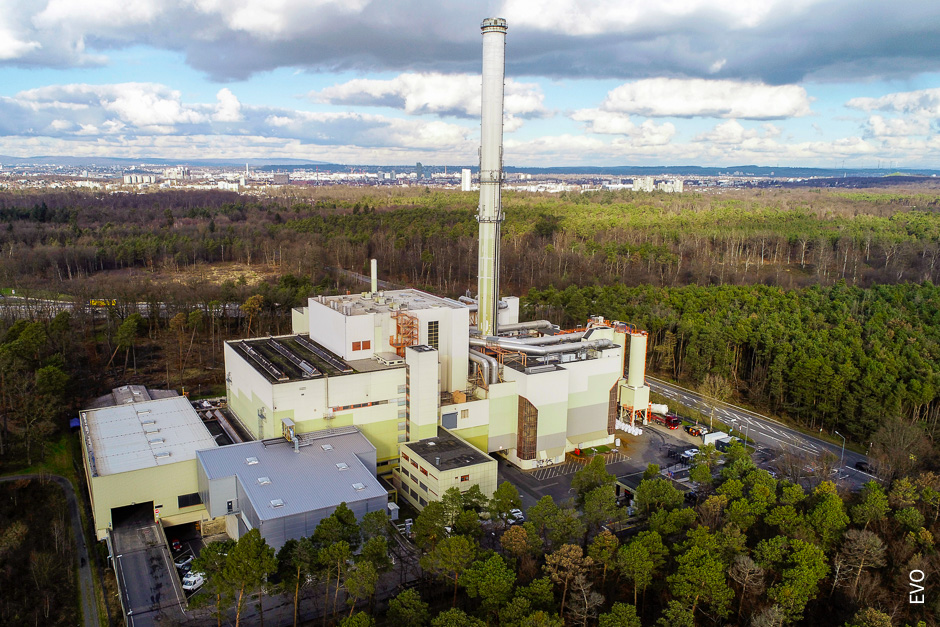
- Stadtwerke Düsseldorf will use biogenic electricity from waste incineration to generate the hydrogen sustainably.
- Hydrogen production is set to begin in mid-2026, enabling regional CO₂ emission reductions.
- Rheinbahn has started refuelling fuel cell buses at the station, marking progress towards greener public transport solutions.
A two-megawatt electrolyser from the company Fest was delivered to the Stadtwerke Düsseldorf’s Waste-to-Energy plant on 20 February 2026. The plant, housed in two sea containers, will form the core of the energy provider’s local hydrogen production.
Integrated Hydrogen Infrastructure
According to Stadtwerke Düsseldorf, the German company is establishing a system for sustainable urban supply. The project involves the local generation of hydrogen using the biogenic electricity share from its waste incineration plant.
The hydrogen will directly supply the public hydrogen filling station at the same location, supporting climate-neutral public transport solutions provided by Rheinbahn.
Production Start Set For Mid-2026
The installation of the electrolyser and further work on the plant will take place in the coming months. The first hydrogen production is scheduled to begin around the middle of this year.
The hydrogen produced will be supplied directly to the public hydrogen filling station in Düsseldorf, which is operated by H2 Mobility. This filling station opened last year and has been supplied with hydrogen by tanker since then.
Rheinbahn already refuels its first fuel cell buses there, with more vehicles to follow. The electricity used for the process is sourced from the biogenic component of waste incineration, creating a regional cycle that reduces CO₂ emissions and utilises local resources.

Leave a Reply