
Krefeld-based SWK has set a new throughput record at its waste-to-energy plant. Another division, however, presents a far less encouraging picture.

Key Takeaways
- SWK achieved a record throughput of 411,400 tonnes at its waste-to-energy plant, yet net profit fell by around 40%.
- The drop in profit stems from the Energy and Water division facing revenue declines and reduced financial income.
- Despite operational success, the Waste Management division saw a decline in operating results due to rising costs.
- SWK plans significant investments beyond 2025, driven by a statutory deadline for the municipal heat plan.
- The group’s transition strategy involves enhancing waste-to-energy infrastructure amid evolving CO₂ pricing and market dynamics.
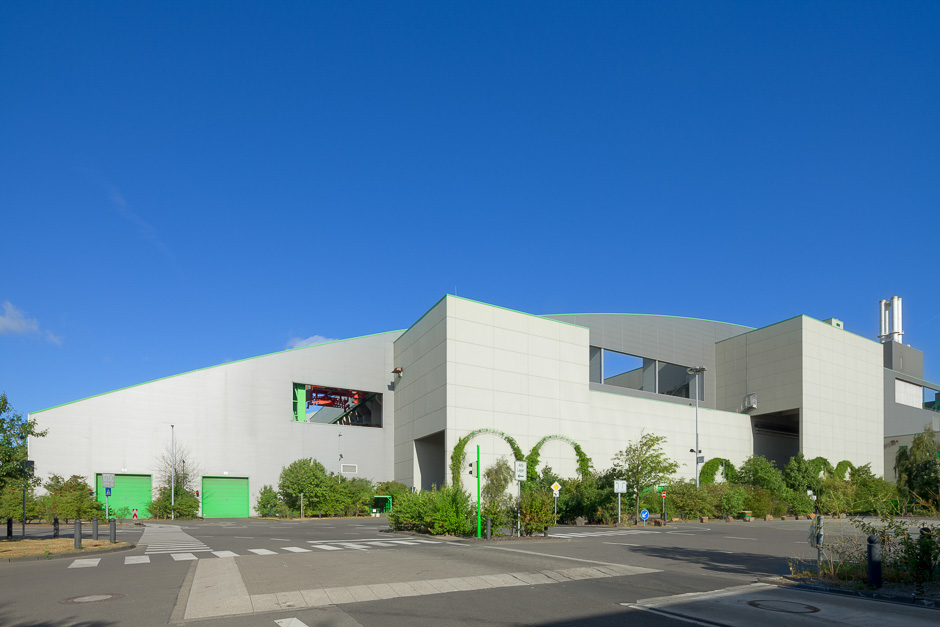
The numbers coming out of SWK AG’s 2025 annual report look, at first glance, contradictory. The Krefeld-based municipal utilities group incinerated more waste than ever before at its combined waste and sewage sludge facility in the city. Throughput reached 411,400 tonnes, the highest figure in the plant’s history. District heat output rose. Waste management revenues climbed more than 10 per cent.
Yet the group’s net profit fell by roughly 40 per cent.
A Structural Divide Within the Group
The explanation lies in a structural divide that runs through the SWK-Konzern. While the waste-to-energy and transport divisions moved in a positive direction, the group’s largest business, Energy and Water, came under significant pressure from falling procurement prices and shrinking volumes. Revenue in that division dropped nearly 7 per cent.
That alone would not have been enough to push the bottom line down so sharply. The decisive factor came from elsewhere in the accounts: a steep fall in financial income, driven by lower returns from associated companies and reduced interest income. It was a development the management board had anticipated, but the scale of the decline was still notable.
What the WtE Numbers Don’t Fully Show
The record throughput at the Krefeld incineration facility is an operational success. But it came with a caveat. Despite the volumes, the Waste Management division’s operating result fell moderately compared with the previous year. The reason is buried in the cost side of the ledger, and it raises questions about what lies ahead for the facility as it ages and as the regulatory environment around carbon pricing shifts.
There is also a broader market dynamic worth watching. SWK’s annual report identifies a risk that is quietly reshaping the German thermal treatment market. One that involves CO₂ pricing, cross-border waste flows, and the prospect of new incineration capacity.
An Investment Agenda with Long Horizons
SWK is not standing still. Capital expenditure held steady at over 150 million euros, and the group is looking well beyond 2025. The City of Krefeld faces a statutory deadline for its municipal heat plan, and what comes next will require investment on a scale that dwarfs anything the group has spent in recent years.
Read More
Ask WtE Monitor
Answers come only from WtE Monitor articles and plant data, with sources. Ask in any language.
Your question is processed by Anthropic to generate the answer. Please do not enter personal data. Privacy policy
3 questions a month with a free subscription, unlimited with WtE Monitor+. Subscribe free · Get WtE Monitor+
Leave a Reply