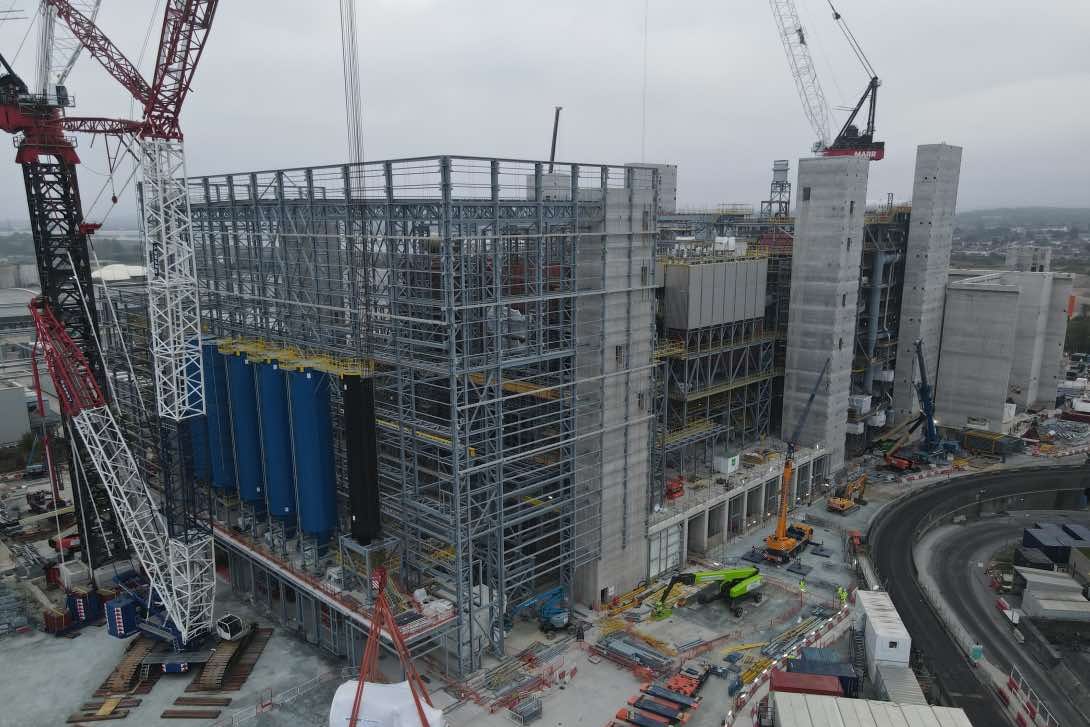
A Bavarian waste-to-energy plant has struck thermal water beneath its own site – and found an unexpected use for its furnace along the way. What does that mean for other operators?

Key Takeaways
- GfA completed two geothermal wells at its Geiselbullach WtE site near Munich, to supply about 10 MW of heat from 2027.
- The heat relieves the plant, which had hit its delivery limit, frees steam for power and backs up district heating.
- The second well was extended to 4,400 metres; deep geothermal remains a high-risk business.
- Funding: up to 40% BEW grant, 45% 30-year registered bond, 15% bank loan. –Co-incinerating drill cuttings with waste halved disposal costs without measurable emission effects
GfA, the operator of the Waste-to-Energy plant in Geiselbullach, north-west of Munich, has completed two deep geothermal wells on the plant site. The performance tests of the second well ended on 15 August 2026 with a flow rate of 90 litres per second and a thermal water temperature of 79 to 80 degrees Celsius, the company said in a statement dated 1 October 2026. On this basis, around 10 MW of geothermal heat can be provided for district heating in future.
According to GfA, the geothermal heat can replace part of the heat that has so far come from the Waste-to-Energy plant. It also creates capacity for expanding the regional district heating supply and adds a second heat source to the system. The drilling rig has been dismantled, and work on installing the production pumps and building the district heating station has begun. Commercial heat supply is to start at the latest in the 2027 heating season.
Heat From Waste Had Reached Its Limit
Thomas König of the GfA subsidiary Amperland Thermalwärme GmbH (ATW) presented the project at the VDI/ITAD conference on thermal waste treatment in Würzburg on 22 September 2026. The Geiselbullach plant treated 122,378 tonnes of municipal waste in 2025, fed 44,056 MWh of electricity into the grid and produced 94,904 MWh of district heat. It supplies heat networks with around 80 kilometres of pipes in a rural area, including the town of Olching since 2002 and the municipality of Bergkirchen since 2011.

Subscribe to continue reading
Become a paid subscriber to get access to the rest of this post and other exclusive content.
Ask WtE Monitor
Answers come only from WtE Monitor articles and plant data, with sources. Ask in any language.
Your question is processed by Anthropic to generate the answer. Please do not enter personal data. Privacy policy
3 questions a month with a free subscription, unlimited with WtE Monitor+. Subscribe free · Get WtE Monitor+